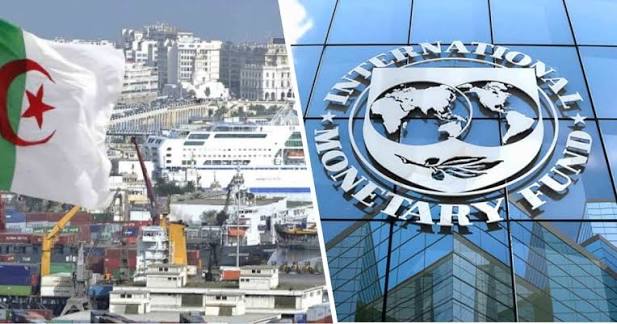
The International Monetary Fund (IMF) projects Algeria's economy will grow by 3.8% in 2026. This growth is largely due to a temporary uplift from higher hydrocarbon prices. The IMF issued this forecast following its annual Article IV consultation.
This projected growth rate is similar to the estimated 3.9% expansion recorded last year. Stronger energy prices are boosting Algeria's export earnings and government revenues. However, the IMF warned that underlying structural weaknesses persist despite this near-term relief for the major hydrocarbon producer.
This situation fits into a broader economic narrative common among resource-rich nations. These countries often experience volatile financial health tied to global commodity prices. Ghana, for instance, has also felt the effects of fluctuating commodity prices on its budget and currency. The IMF's assessment highlights the risks of economic models heavily dependent on a single sector, such as oil and gas.
The IMF stressed that the perceived improvement in Algeria's economy disguises deeper problems. These problems could threaten the country's stability in the medium term. Urgent action on fiscal consolidation and economic diversification is necessary, according to the Fund.
What happens next depends on Algeria's policy responses. The IMF has urged the authorities to adopt a more coherent macroeconomic policy mix. This includes fiscal consolidation and a tighter monetary policy focused on price stability. It also recommends greater exchange-rate flexibility. Decision-makers must balance reducing fiscal vulnerabilities with maintaining growth and social stability.
Algeria's fiscal position remains under significant pressure, even with some improvement in 2025. The budget deficit narrowed to 10.5% of Gross Domestic Product (GDP). This was supported by one-off dividends from state-owned enterprises and the central bank. Stronger non-hydrocarbon tax revenues also contributed to this narrowing. However, this did not fundamentally change the strain on public finances.
Sustained financing needs pushed public debt to 52.1% of GDP. This shows the increasing cost of high public expenditure in an economy reliant on hydrocarbons. The external position also worsened sharply last year. Large government investment programmes increased imports. This happened when hydrocarbon exports softened. The result was a wider current account deficit and a significant drop in international reserves.
Although higher oil prices should narrow the current account deficit in 2026, the IMF warned that Algeria's resilience has weakened. Fiscal and external buffers have steadily eroded. The Fund advised against central bank financing of government deficits. It warned such financing could weaken inflation control and harm policy credibility.
The IMF's recommendations include broadening the non-oil tax base and reforming subsidies. Improving the efficiency of public investment and strengthening financial sector oversight are also key. The Fund urged reducing the dominant role of state-owned enterprises. It also called for creating more space for private-sector investment. Algeria's long-term prosperity needs a more diversified and competitive economy. This requires stronger private-sector participation, a predictable business environment, and fewer trade barriers. Deepening digitalization is also essential to reduce informality and boost productivity.