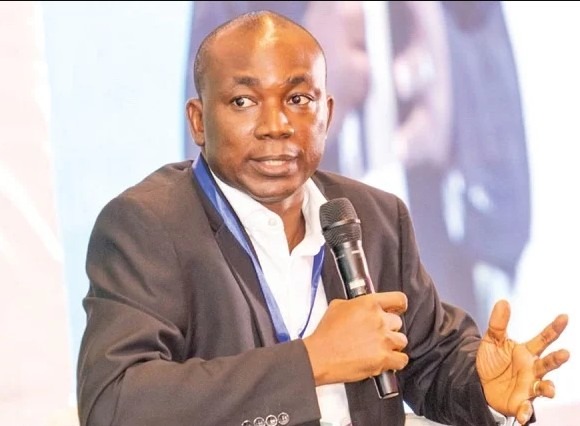
Professor Godfred Bokpin, a distinguished economist and Professor of Finance, has directly challenged the Ghanaian government's claims of significant spending. He argues that actual expenditure levels, when measured against the overall size of Ghana's economy, present a different picture than official statements suggest. This assessment follows the 2026 Mid-Year Budget Review.
Professor Bokpin stated on Thursday, July 23, 2026, that government expenditure has not kept pace with historical trends. He explained that while the government points to past wasteful spending, the current approach fails to invest adequately in areas that would create jobs and foster long-term economic expansion. This lack of appropriate spending is a critical concern for Ghana's economic future.
This situation fits into a broader narrative of Ghana's economic management, where fiscal consolidation often takes precedence. The government's strategy of expenditure control, driven by revenue shortfalls, aims to manage the budget deficit without increasing borrowing. This approach has led to some short-term gains, such as a reduction in inflation, but raises questions about its long-term viability for economic development.
Professor Bokpin emphasized, "The Minister indicated that they have been spending. That is not entirely true. If you look at total government expenditure relative to the size of this economy, we have not kept the pace like we have done in the time past." He further noted, "Government is not spending appropriately to stimulate job-rich growth. That is a fact." This expert perspective highlights a potential disconnect between policy intent and economic outcome.
The implications of this restrained spending are significant for Ghana's economic trajectory. While inflation has decreased, the country risks foregoing crucial investments necessary for sustainable growth and job creation. Decision-makers will need to balance short-term fiscal stability with the imperative of fostering a robust, job-rich economy. Markets and investors will closely watch how the government navigates this challenge, particularly as it seeks to attract investment and stimulate economic activity.
Professor Bokpin acknowledged that the government's fiscal restraint has contributed to some positive short-term outcomes. He noted, "In the short term, that may deliver short-term gains. We can see inflation has come down." However, he cautioned that this approach, coupled with the Bank of Ghana's tightening of liquidity, could mean sacrificing critical investments. These investments are essential for ensuring long-term growth sustainability across various sectors of the economy.
The economist's analysis suggests a need for a re-evaluation of current fiscal policies. He indicated that the government's reliance on expenditure controls, rather than borrowing, to manage revenue shortfalls, has created a situation where vital economic stimuli are missing. This could impact sectors like agriculture, industry, and infrastructure, which require significant public investment to thrive and create employment opportunities for Ghana's growing population.
The debate over government spending levels is crucial for Ghana's development agenda. It underscores the tension between maintaining fiscal discipline and investing in productive capacities. Future policy decisions will likely reflect attempts to reconcile these competing priorities, with a focus on how to achieve both macroeconomic stability and inclusive economic growth. The ongoing discussion will shape the economic landscape for years to come.