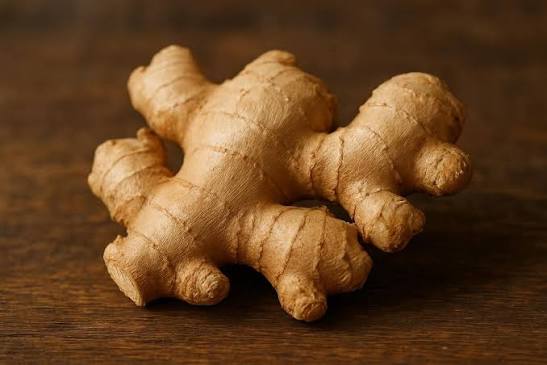
Ginger prices in Ghana doubled significantly, increasing by 102.50% year-on-year in June. Shrimps followed with a 90.80% price increase, and mangoes rose by 87.20%. These sharp rises occurred even as prices for several common food staples declined, according to data from the Ghana Statistical Service’s June inflation report.
These specific price jumps indicate a complex food inflation scenario for Ghanaian households. While overall inflation for June stood at 5.30%, up from 3.70% in May, food inflation also edged up to 3.90% from 3.30% in May. This suggests that certain food categories are experiencing substantial price pressure, affecting household budgets differently depending on consumption patterns.
This mixed trend in food inflation marks a shift from previous broad-based price increases across most food items. It highlights how supply issues, seasonal factors, transport costs, and specific market disruptions are now driving price movements. Data show that bus and trotro fares, rising over 10.50%, were the largest contributors to overall inflation. This suggests a ripple effect on food prices due to higher transport costs for agricultural produce.
The Ghana Statistical Service (GSS) confirmed these figures, noting the significant contributions of items like ginger, which accounted for 7.00% of inflation pressures. River fish contributed 6.60%, and cooked rice added 5.30% to the overall inflation picture. These figures were released as part of the GSS's regular reporting on Ghana’s economic metrics.
Moving forward, this varied inflation trend presents a complex challenge for policymakers. The decline in prices for staples like maize, millet, and beans, which fell by 32.10%, 23.00%, and 21.30% respectively, offers some relief. However, the sharp increases in other essential food items, such as fish and fruits, mean the cost-of-living relief is uneven. Decision-makers will need to address supply chain weaknesses for specific commodities to stabilise prices and provide uniform relief to consumers.
The impact on typical households will depend heavily on their consumption choices. Families that frequently purchase items such as ginger, shrimp, mangoes, bananas, or avocado pears will experience a meaningful rise in their food expenditures. Conversely, those relying on kontomire (afefu), which saw a 38.00% price decrease, or garden eggs, down by 33.10%, may find some financial respite. This divergence underscores the importance of monitoring specific food item prices beyond the headline inflation rate.
The GSS data further revealed that other items contributing significantly to inflation pressures included payment for rents at 8.40% and secondary school fees at 7.20%. These non-food items, combined with the volatile food prices, paint a picture of broad-based cost-of-living challenges. Understanding these detailed movements is crucial for both consumers planning their budgets and authorities aiming to implement targeted economic interventions.
The current situation suggests that while national average inflation rates might appear moderate, the lived experience for many Ghanaians is shaped by the specific price changes of the goods and services they frequently consume. Policymakers must consider these micro-level impacts when formulating economic strategies to manage inflation and support household welfare.