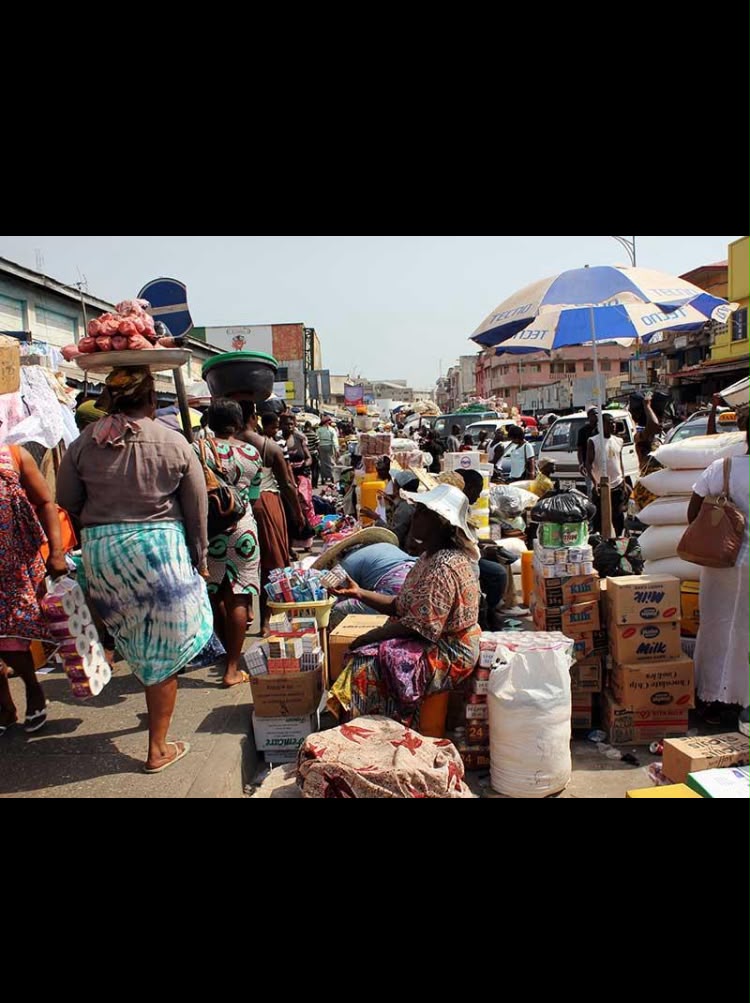
Ghanaian households are experiencing a significant increase in the cost of living, making everyday market trips a struggle for many. The same amount of money now buys far less than it did just a few years ago. This forces families to reduce meal sizes, shop less frequently, and make difficult financial choices.
The most important supporting detail is the widespread impact on basic necessities. Food, transportation, and other essential items have seen sharp price increases. Meanwhile, incomes for many households have remained largely unchanged. This disparity creates immense pressure on family budgets across the country.
This situation fits into Ghana's broader economic narrative of persistent inflationary pressures. The Bank of Ghana has implemented measures to control inflation, but their effects are yet to fully ease the burden on consumers. Data from the Ghana Statistical Service consistently shows elevated inflation rates, particularly for food items. This trend has been a significant concern for policymakers and citizens alike over the past year.
A university student highlighted the personal impact, stating, “I now have to think twice before buying certain things. Sometimes you have money, but after buying food and paying for transportation, there is almost nothing left.” This sentiment reflects the difficult choices many young people face daily. Traders also feel caught between rising supplier costs and customers who cannot afford higher prices.
The implications of this crisis are far-reaching. Households will continue to adjust by budgeting more carefully and seeking additional income sources. Policymakers will face increased pressure to implement effective measures to stabilize prices and support household incomes. The ongoing struggle could also affect consumer spending patterns and overall economic growth in the coming months. The government's response to these economic challenges will be closely watched by citizens and financial markets.
Many families are coping by cutting out non-essential spending. They compare prices across different sellers to find the best deals. Buying items in smaller quantities has also become a common strategy. Some individuals have taken on extra jobs or side businesses to supplement their main income. These efforts, however, can only go so far in addressing the fundamental issue of rising costs.
The rising cost of essentials affects every aspect of family life. It dictates how families eat, how they travel, and how students pursue their education. It also impacts their ability to save and plan for the future. This economic reality extends beyond mere statistics; it is a human story of resilience and hardship. Parents may skip meals to ensure their children eat adequately. Students often choose between paying for transport or buying lunch. Traders work hard to keep their businesses afloat amidst these challenging conditions.
The struggle is particularly acute for students who rely on allowances from parents and guardians. With transport fares and food prices climbing, their limited funds deplete much faster. This financial strain can affect their academic performance and overall well-being. The educational sector, therefore, also feels the ripple effects of this economic pressure. The cost of living crisis is a complex issue with deep societal roots and widespread consequences.
Economists and policymakers frequently discuss inflation rates and monetary policy. However, for ordinary Ghanaians, the reality is simpler and more immediate. It is the stark realization at a market stall that their money is no longer sufficient. This ongoing challenge requires sustained attention and comprehensive solutions from all stakeholders. The long-term stability of household finances depends on effective economic management and targeted support.