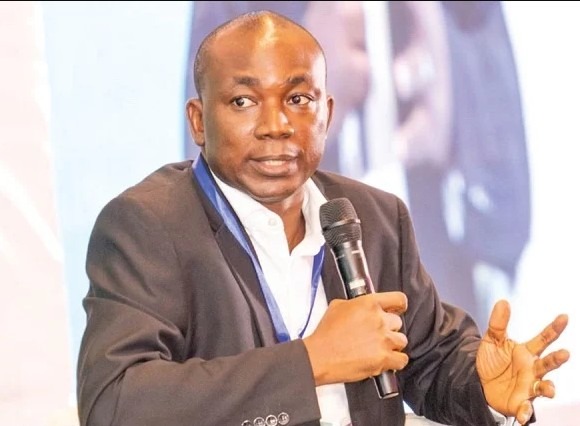
Ghana's economy has failed to move beyond basic macroeconomic stability since 1992, according to Professor Godfred Bokpin. The Professor of Finance stated that the nation has spent the last three decades oscillating between periods of economic difficulty and costly recovery efforts. These efforts aim to restore confidence and achieve sustained economic growth.
The country repeatedly works to stabilise its economy, only to fall back into periods of difficulty. This cycle has made the cost of economic correction enormous and increasingly unbearable. Professor Bokpin noted that these costs now exceed Ghana's tax potential, forcing the country to look beyond traditional fiscal consolidation methods.
This persistent struggle with economic instability hinders Ghana's long-term development goals. The nation's economic trajectory since 1992 shows a pattern of short-term fixes rather than fundamental progress. This trend contrasts with other emerging economies that have achieved more consistent growth and structural transformation over the same period. Ghana's public debt has also risen significantly over these decades, often linked to these repeated stabilisation efforts.
“People of Ghana, since 1992, this economy has not moved beyond macroeconomic stability,” Professor Bokpin stated at a public lecture. He added that the cost of correcting economic destruction is becoming “enormous and unbearable for us and beyond what our tax potential can handle.” This highlights the urgent need for a new approach to economic management.
Ghana must break this cycle of instability to achieve sustainable economic development. Decision-makers will need to implement policies that go beyond merely restoring stability. Future strategies must focus on structural reforms and long-term growth initiatives to prevent recurring economic crises. This shift is crucial for improving the living standards of Ghanaians and attracting sustained foreign investment.
Professor Bokpin emphasised that fiscal consolidation alone is no longer sufficient for Ghana. The country needs a comprehensive strategy to foster genuine economic progress. This includes diversifying the economy, improving productivity, and strengthening institutions. Without these deeper changes, Ghana risks remaining in this cycle of instability for the foreseeable future. The civil service, as highlighted in Professor Bokpin's lecture, has a critical role in implementing these necessary reforms. Their efficiency and commitment are vital for translating policy into tangible economic improvements. The nation's ability to attract and retain foreign direct investment also depends on demonstrating consistent economic stability and growth. This ongoing challenge affects job creation, poverty reduction, and overall national prosperity.