Ghana's government has secured 30% of the nation's large-scale gold production for strategic reserves. This significant move aims to bolster the country's financial stability and strengthen its currency.
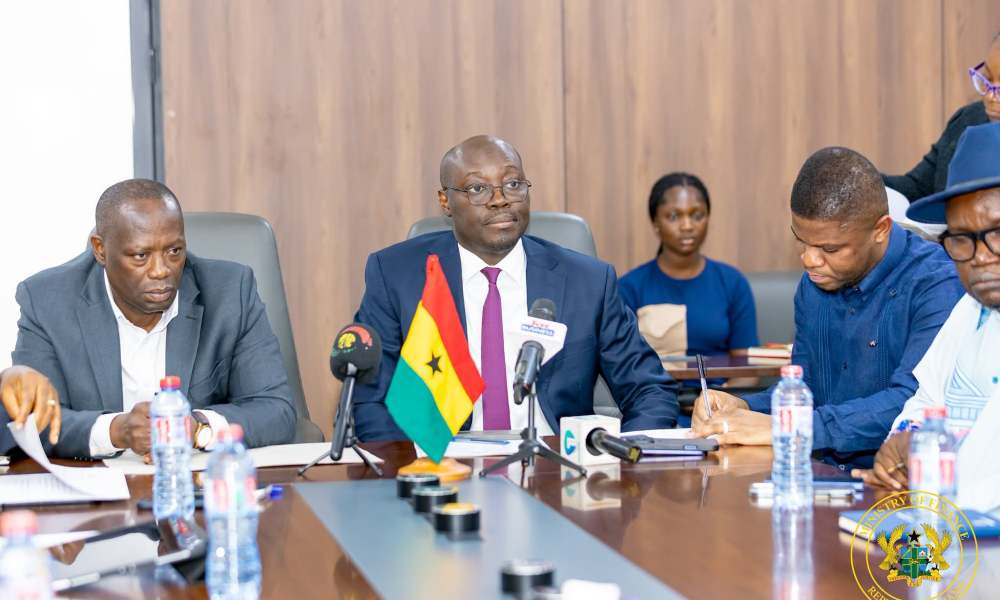
The government signed a Memorandum of Understanding (MoU) with the Ghana Chamber of Mines and participating large-scale mining companies. This agreement, finalized on Thursday, forms a key part of the Ghana National Reserves Accumulation Programme (GANRAP). The initiative seeks to build a robust financial buffer against potential external economic shocks.
This strategic acquisition fits into Ghana's broader economic narrative of enhancing resilience. The nation has faced currency volatility and external pressures in recent years. Accumulating gold reserves provides a tangible asset to support the cedi and protect against global market fluctuations. This program also aligns with efforts to reduce reliance on foreign currency for import cover.
The government expressed its appreciation to the Ghana Chamber of Mines and the participating mining companies. Officials highlighted their commitment to this initiative. This collaboration is vital for achieving the stated reserve targets and strengthening Ghana's economic position. The government views this as building an “economic war chest” for the future.
This agreement signals a proactive approach to economic management. Decision-makers will closely monitor the accumulation of gold reserves and its impact on the cedi's stability. Markets will watch for signs of improved import cover and reduced vulnerability to global economic shifts. This program could significantly influence investor confidence and Ghana's credit ratings.
The government has set an ambitious target of achieving 15 months of import cover by 2028. This goal underscores the long-term vision behind the GANRAP. Increased gold reserves are expected to provide a strong foundation for this target. Such reserves offer a reliable store of value, unlike volatile paper assets.
Ghana is one of Africa's largest gold producers, making this strategy particularly impactful. Leveraging domestic resources for national economic security is a prudent policy choice. The partnership with the mining sector demonstrates a unified approach to national development. This collaboration is essential for the program's success and sustained economic growth.
Strengthening the cedi is a primary objective of this program. A stable local currency helps control inflation and reduces the cost of imports. This benefits businesses and consumers across the country. The government believes gold reserves will provide a credible backing for the cedi, enhancing its value.
The initiative also aims to protect Ghana from external economic shocks. Global events, such as commodity price swings or financial crises, can severely impact developing economies. A strong reserve position provides a cushion against these unforeseen challenges. This makes Ghana's economy more resilient and less susceptible to external pressures.
This move reflects a broader trend among central banks globally to increase gold holdings. Gold is traditionally seen as a safe-haven asset during times of economic uncertainty. Ghana's government is adopting a strategy that many nations use to safeguard their financial systems. This ensures a more secure economic future for the country.