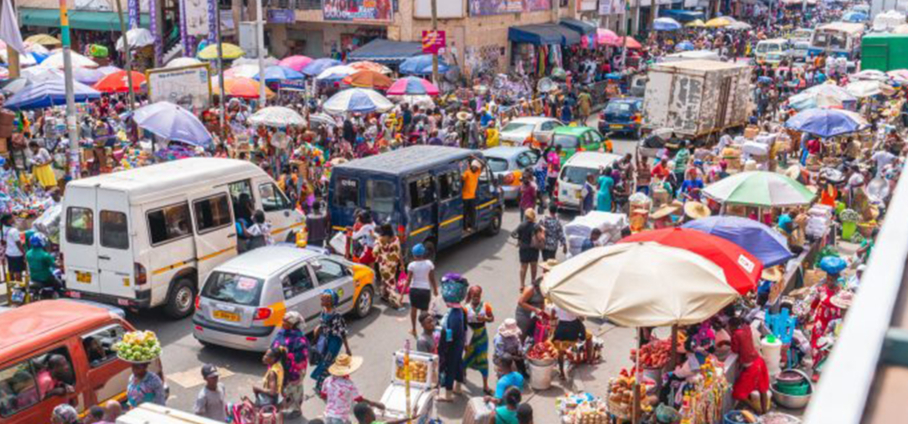
Ghana’s retail market value surged by 15.6% in the first half of 2026. This strong performance, reported by Maverick Research, marks Ghana as the top performer in West Africa. Sales volumes also increased significantly by 8.9% during this period.
This growth indicates a decisive shift towards a consumer-led economic recovery. Easing inflation, a stronger Ghana cedi, and improved purchasing power allowed households to buy more goods. Consumers were not just paying higher prices; they were actively purchasing larger quantities.
This positive trend fits into Ghana’s broader economic narrative of recovery and stabilization. The country has been working to manage inflation and strengthen its currency. The retail sector's performance reflects the success of these efforts in boosting consumer confidence. This contrasts with previous periods where inflation often drove value growth without corresponding volume increases.
Maverick Research stated, “The combination of 8.9% volume growth and 15.6% value growth indicate that consumers were not simply paying more—they were buying more.” This expert assessment underscores the genuine nature of the market expansion. Affordability played a key role, with average prices for edible oil declining by 8% and pasta by 6%.
Looking ahead, the retail market's continued strength depends on several factors. Decision-makers will monitor currency stability and inflation trends closely. Brands must focus on expanding distribution and maintaining competitive pricing rather than indiscriminate price hikes. The performance of key commodities like oil, cocoa, and gold will also influence consumer purchasing power.
The report highlights that food’s share of Fast Moving Consumer Goods (FMCG) volume rose from 32.2% to 34.2%. Essential items like edible oil, tomato paste, milk, noodles, and food seasonings led this increase. Non-alcoholic beverages also showed resilience. Home and Personal Care products recovered less evenly, as shoppers prioritized necessities.
Ghana’s performance outpaced regional peers. Côte d’Ivoire recorded approximately 3% volume growth and 2% value growth. Cameroon saw 2.7% volume growth and 5.2% value growth. This positions Ghana as the region’s strongest near-term growth opportunity for businesses.
However, consumers remain price-conscious despite the improving economy. Brands should use this opportunity to expand their reach and sales volumes. They should avoid using the economic recovery as an excuse to raise prices without justification.
External factors will also shape the market for the rest of 2026. Oil prices, for instance, are a critical variable for West African FMCG. Brent crude traded near $87 per barrel in mid-August. High oil prices can support Ghana’s export earnings and government revenues as an oil producer. However, they could also lead to higher transport and shelf prices for consumers if not managed well.
Cocoa and gold prices will also influence purchasing power. While international cocoa prices have corrected from previous highs, they remain important for export earnings and household incomes in cocoa-growing communities. Gold provides Ghana an important buffer, supporting export receipts and foreign-exchange reserves. A stable Ghana cedi, bolstered by gold, helps contain imported inflation and sustain consumer recovery.
Maverick Research concluded that West Africa’s FMCG recovery is real but conditional. Ghana is expected to remain the strongest market if the Ghana cedi stays stable and inflation continues to ease. Brands that succeed will convert macroeconomic recovery into better product availability, sharper pricing, and stronger execution at every sales point. This comprehensive approach will be crucial for sustained growth in the dynamic retail landscape.