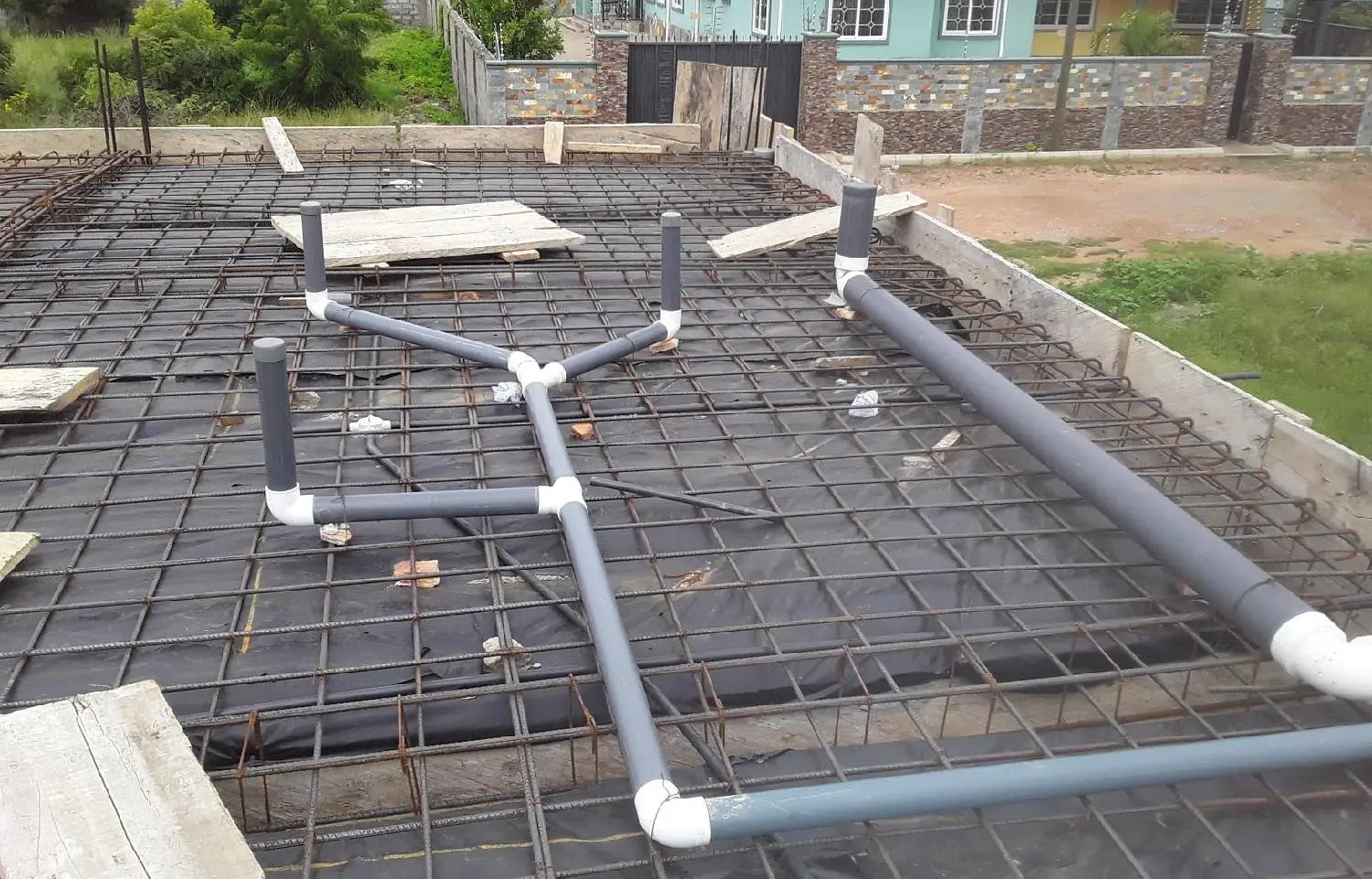
Plumbing material costs in Ghana increased by 22.8% year-on-year in May 2026, according to the Ghana Statistical Service (GSS). This rise made plumbing the fastest-growing construction sub-group among all items tracked. The GSS published these figures in its latest Prime Building Cost Index (PBCI).
This significant increase in plumbing costs occurred even as cement prices fell sharply. The cement sub-group recorded a year-on-year inflation rate of -14.5%. This negative inflation rate positioned cement as the lowest among all construction categories monitored by the GSS. These contrasting trends highlight different price movements within Ghana's construction industry.
The construction sector is a vital engine for Ghana's economic development, impacting infrastructure projects and housing affordability. Fluctuations in building material costs directly influence property development and investment decisions. The overall PBCI inflation rate remained relatively low at 2.7% in May 2026. However, the surge in plumbing costs suggests specific supply chain pressures or increased demand for these particular materials. This follows a period of broader economic adjustments in Ghana, including efforts to manage inflation and stabilize the cedi.
The GSS stated, “Plumbing recorded the highest year-on-year inflation rate of 22.8 percent.” This official declaration underlines the magnitude of the increase in plumbing expenses. While falling cement prices offer some relief to developers, the rising costs of plumbing and other materials may offset these benefits. Decision-makers in both the public and private sectors closely monitor these figures to understand the true cost of construction.
Going forward, businesses and households must budget for higher plumbing expenses. Builders might pass these increased costs onto consumers, potentially affecting property prices. Policy makers will watch to see if these specific cost pressures persist or broaden to other essential construction categories. The continued monitoring of the PBCI by the GSS will provide crucial insights into these market dynamics.
The GSS report also showed other notable movements in construction costs. The Plant group recorded a year-on-year inflation rate of 9.8% in May 2026. The Material group, which includes a broader range of inputs, posted an inflation rate of 3.5%. Conversely, labour costs saw a decrease. Labour expenses fell by 2.0% compared with May 2025. These varied movements create a complex financial landscape for Ghana's construction industry.
Fourteen out of the 23 construction sub-groups recorded inflation rates above the national average of 2.7%. This indicates that while overall construction inflation appears moderate, many essential building inputs face increasing financial strain. Developers will need to adjust their procurement strategies to mitigate the impact of these rising costs. The disparity between falling cement prices and rising plumbing costs illustrates the sector's uneven economic pressures.