Ghana's non-oil economy recorded its strongest growth in 14 years, with non-oil Gross Domestic Product (GDP) expanding by 7.6 percent in 2025. This robust performance indicates that the country's economic recovery is driven by more than just high commodity prices.
Overall real GDP grew by 6.0 percent in 2025, marking the fastest growth recorded since 2019. This significant expansion reflects the positive impact of disciplined economic policies and effective implementation by the government. The positive trend has continued into 2026, with the economy growing by 6.4 percent in the first half of the year, exceeding government expectations.
This growth positions Ghana as a rising economic force in Africa. The nation's economy crossed the US$100 billion mark for the first time, a major milestone. Per capita income also saw a substantial increase, rising from US$2,527 in 2024 to US$3,385 in 2025, the highest ever recorded in the country's history. These achievements have positioned Ghana as the eighth-largest economy in Africa, representing improved incomes, stronger businesses, and greater opportunities for citizens.
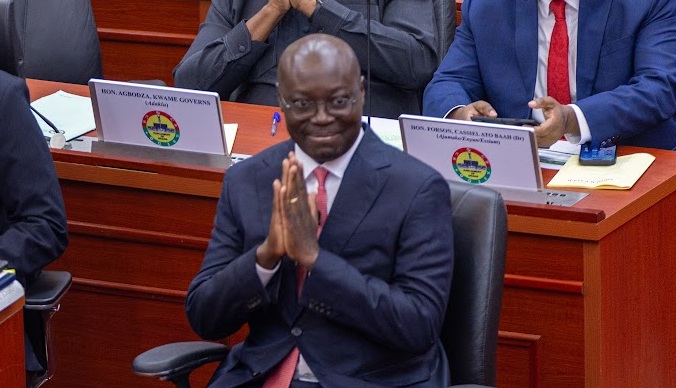
Finance Minister Dr. Cassiel Ato Baah Forson announced these figures during the 2026 Mid-Year Budget Review in Parliament on Thursday, July 23, 2026. He highlighted that unemployment dropped from 13.7 percent in the first quarter of 2024 to 12.8 percent during the same period in 2025. Multidimensional poverty also declined from 24.9 percent to 21.9 percent, meaning approximately 950,000 Ghanaians moved out of poverty within one year.
The Finance Minister also reported a sharp decline in inflation, which fell from 23.8 percent in December 2024 to 5.4 percent at the end of 2025. Inflation remained low at 5.3 percent in June 2026. Fiscal performance also improved, with Ghana's debt-to-GDP ratio dropping from 61.8 percent at the end of 2024 to 45 percent by June 2026. This achievement allowed the country to meet its statutory debt target ahead of schedule. Ghana's current account surplus quadrupled within a year, and the Ghana cedi appreciated by 40.7 percent against the US dollar in 2025, helping to restore confidence in the economy.
Looking ahead, the government has introduced the Ghana Accelerated National Reserve Accumulation Policy (GANRAP). This policy aims to increase the country's international reserves to cover 15 months of imports by 2028. Agreements have also been reached with large-scale mining companies, allowing the government to purchase 30 percent of their annual gold production for local refining and reserve accumulation. The government also amended the Bank of Ghana Act to make inflation targeting a shared responsibility between the Ministry of Finance and the Bank of Ghana, strengthening coordination between fiscal and monetary policies.
Dr. Forson expects the International Monetary Fund (IMF) Executive Board to approve the final review of Ghana's Extended Credit Facility programme next week. A new 36-month Policy Coordination Instrument (PCI) is also anticipated to support the next phase of economic reforms. The PCI will focus on maintaining fiscal discipline, preserving debt sustainability, strengthening governance, improving monetary policy, reinforcing financial sector stability, and promoting economic diversification. The government remains committed to sustaining these reforms to build a stronger economy that delivers lasting benefits for businesses and households.