Ghana must build strong, sustainable economic policies to transform its economy rather than relying on repeated support from the International Monetary Fund (IMF). Professor Eric Oteng Abayie, an economist at the Kwame Nkrumah University of Science and Technology (KNUST), delivered this assessment. He observed that Ghana's continuous return to the IMF focuses on short to medium-term solutions, not lasting economic transformation.
Ghana is currently operating under the IMF’s Policy Coordination Instrument (PCI). This follows the successful completion of its GHS 3 billion Extended Credit Facility (ECF) program. The PCI aims to commit the country to economic policies designed to prevent future financial crises and ensure macroeconomic stability. Professor Oteng Abayie believes Ghana’s economic turnaround requires resilient policies that create jobs, improve labour productivity, and promote inclusive economic growth.
This perspective arises from Ghana's historical economic challenges, often characterized by fiscal deficits and external debt vulnerabilities. The nation has engaged with the IMF multiple times, most recently securing a GHS 3 billion ECF in 2023. These engagements aim to stabilize the currency, manage inflation, and restore investor confidence. However, critics argue that these programs often impose austerity measures that can hinder long-term growth and social development if not complemented by robust domestic policies. Data from the Bank of Ghana indicates persistent inflation and cedi depreciation have impacted household incomes and business operations in recent years, despite various stabilization efforts.
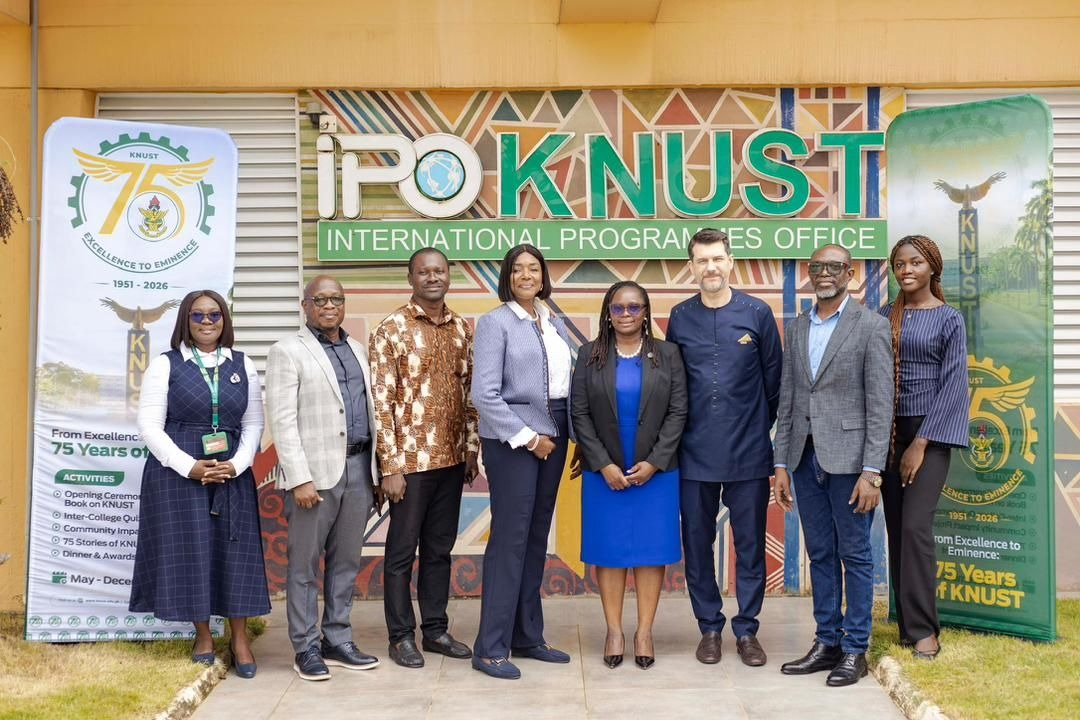
Professor Oteng Abayie stated, “It looks like the IMF is looking at short- and medium-term solutions but not economic transformation.” He made these remarks during an interview after a session with IMF Resident Representative Dr. Adrian Alter and faculty members and students from the Department of Economics at KNUST. He further cautioned, “If we are not stable and we are not building resilience into our policies, we will always go back and never take off into economic transformation.”
For Ghana to achieve economic resilience, decision-makers must address several key areas. Professor Oteng Abayie identified low labour productivity, limited technology adoption, and inefficiencies in public spending as major constraints. These inefficiencies are particularly evident in critical sectors such as infrastructure, education, and healthcare. The economist also highlighted the urgent need to integrate Artificial Intelligence (AI) into Ghana’s education system. Failure to prepare students for an AI-driven economy risks worsening graduate unemployment, creating a significant mismatch in the labour market.
This discussion also involved insights from Dr. Adrian Alter, the IMF Resident Representative. Alter emphasized the importance of aligning tertiary education with labour market demands. He also stressed the need to ease financial constraints for small and medium-sized enterprises (SMEs). This includes relaxing strict collateral requirements for startups seeking financial aid. Such reforms are crucial for fostering a dynamic private sector, diversifying the economy, and creating sustainable job opportunities. Investors and policymakers will closely monitor the government's commitment to these structural reforms beyond the immediate terms of IMF programs.