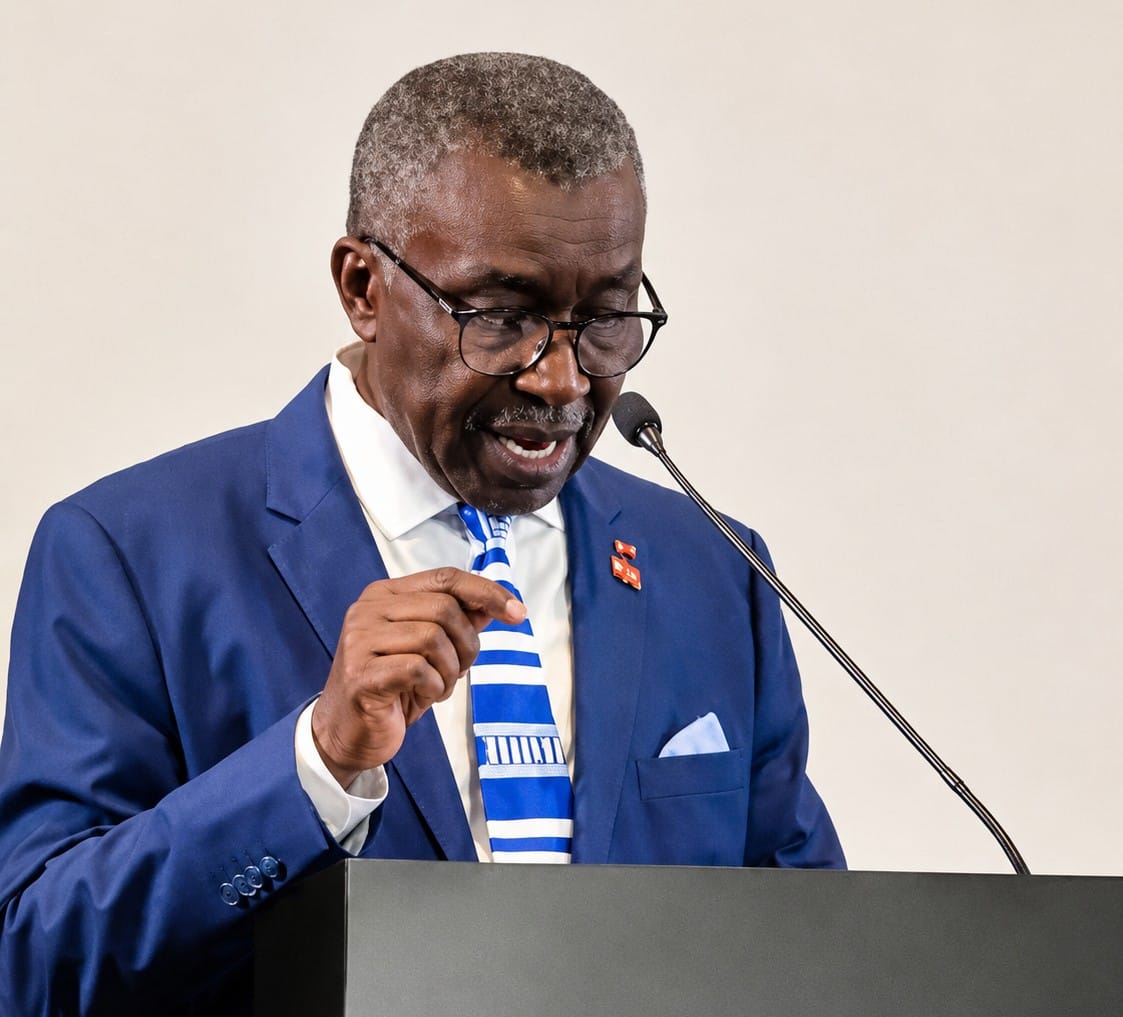
Former Environment Minister, Professor Kwabena Frimpong-Boateng, has called for a bold national reset, warning that Ghana can no longer afford short-term political decisions if it hopes to achieve sustainable development. His remarks, made during the 14th commemorative lecture for the late Prof. John Evans Atta Mills, highlighted a critical need for change.
Professor Frimpong-Boateng stated that Ghana is not simply behind, but actively falling behind, compared to countries it once matched. He stressed the importance of assessing the nation's current state 14 years after Prof. Mills' passing. This assessment is crucial for realizing the 'Better Ghana Agenda' envisioned by the former president.
This call for a national reset comes amidst ongoing economic challenges and a history of policy inconsistencies. Ghana's economic narrative has often been characterized by boom-bust cycles, frequently leading to reliance on external support. The country's public debt has been a persistent concern, impacting its fiscal stability and development trajectory.
Professor Frimpong-Boateng advocated for deliberate, sustained policies that extend beyond political cycles. He urged the protection of national resources, encouragement of local manufacturing, and significant investment in human capital. These measures are essential for fostering long-term economic growth and reducing dependency on imports.
He also emphasized the necessity of zero tolerance for corruption and strict adherence to the rule of law. Professor Frimpong-Boateng insisted that integrity must be a fundamental requirement for national development, not merely a political slogan. This stance aligns with public sentiment regarding governance and accountability.
The former minister criticized successive governments for abandoning projects initiated by their predecessors. He argued that such practices have significantly slowed Ghana's overall progress. This issue of project continuity has been a recurring theme in Ghana's development discourse, often leading to wasted resources and delayed infrastructure.
Professor Frimpong-Boateng quoted a long-standing observation: whenever the Ghana cedi weakens significantly, the country often seeks support from the International Monetary Fund (IMF). This pattern underscores the cyclical nature of Ghana's economic vulnerabilities and the need for structural reforms. The cedi's stability remains a key indicator of economic health.
He concluded by questioning whether the next 14 years would mirror Ghana's past decades or finally deliver the 'Better Ghana' envisioned by the late Prof. Atta Mills. This challenge highlights the urgency for strategic, long-term planning over short-term electoral considerations. Decision-makers will need to address these concerns to build a more resilient economy.
The implications of such a reset would involve a fundamental shift in policy-making and governance. Investors and international partners will closely watch Ghana's commitment to these long-term strategies. A sustained focus on manufacturing and human capital development could attract significant foreign direct investment.
Ghana's ability to implement these reforms will determine its future economic trajectory. The call for a national reset reflects a growing recognition of the need for profound structural changes. This will require strong political will and broad national consensus to achieve sustainable prosperity.