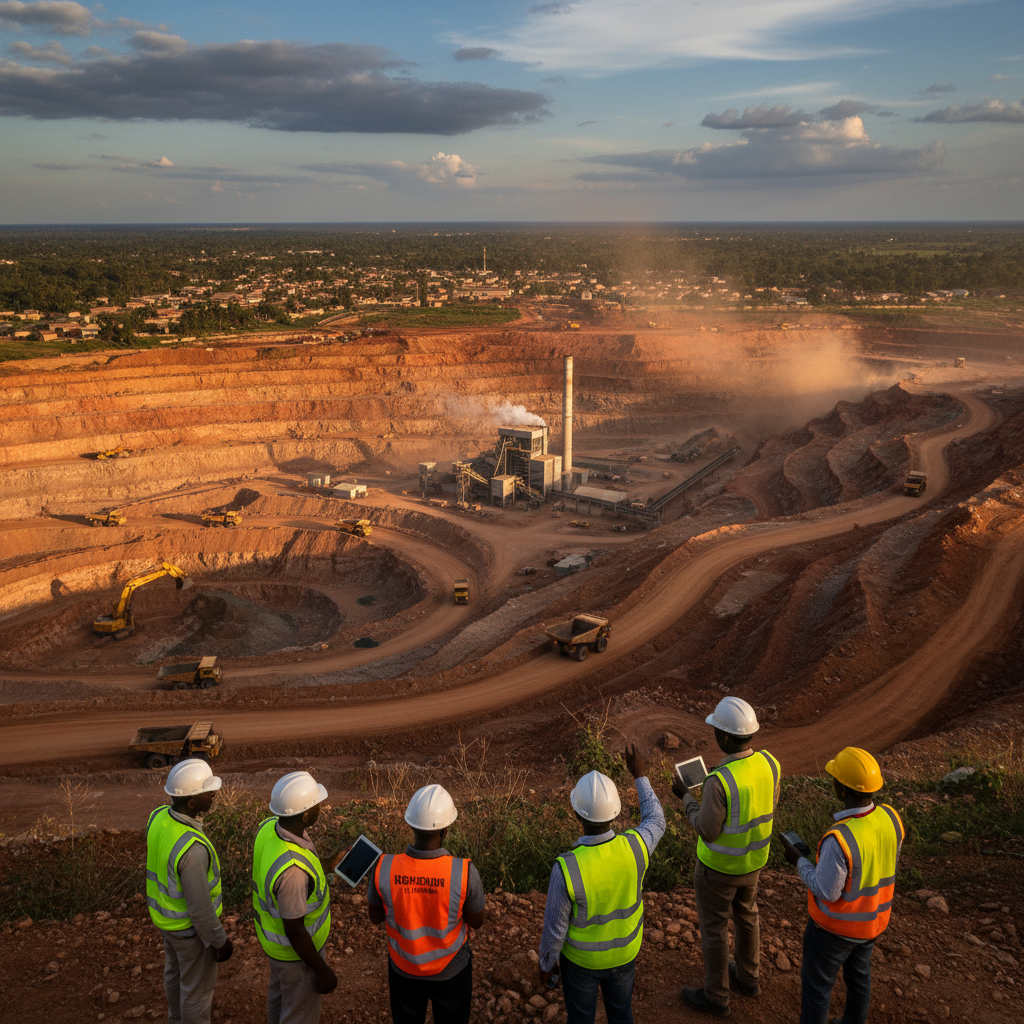
Ghana's large-scale mining sector contributed GHS 22.2 billion to the economy in 2025. This significant contribution occurred despite global challenges like geopolitical tensions, inflation, and supply chain disruptions.
This strong performance comes as governments, investors, and civil society groups examine how resource-rich countries benefit from rising commodity prices. The mining industry also supported 13,819 direct jobs during the year. Mining companies spent approximately US$4.2 billion on local procurement. They also invested US$88.6 million in community development initiatives.
The mining sector is a major pillar of Ghana's economy. Its performance influences trade balances, foreign exchange generation, and infrastructure investment. Rising gold prices have intensified public discussions about benefit sharing. Questions about existing fiscal arrangements and equitable returns to resource owners are growing. The sector's resilience is vital for Ghana's economic stability amid global uncertainties.
Dr. Kenneth Ashigbey, CEO of the Ghana Chamber of Mines, confirmed the sector's robust contribution. He made this statement at the Chamber's 98th annual general meeting (AGM). Dr. Ashigbey noted the industry's role in sustaining merchandise exports and foreign exchange generation. He specifically mentioned its contribution through the Domestic Gold Purchase Programme. Dr. Steve Manteaw, Co-Chair of the GHEITI Multi-Stakeholder Group, highlighted a new assessment. This assessment will clarify the state's actual share of mining proceeds compared to company earnings. Dr. Manteaw stated, “I am glad the Chamber has accepted GHEITI’s proposal to assess the effective tax rates for major mining concessions in Ghana.”
The Ghana Chamber of Mines and the Ghana Extractive Industries Transparency Initiative (GHEITI) will conduct this comprehensive assessment. This move aims to establish the effective tax take from major mining concessions. The findings could influence future discussions on mining revenues, fiscal terms, and resource ownership. The assessment will provide empirical evidence to address misconceptions about benefit distribution. It will compare government's take from concessions against company returns. This addresses a common narrative that Ghana receives only about five percent of mining benefits. This initiative is crucial for achieving fair resource management and ensuring long-term industry stability.
The assessment's outcome will inform future policy decisions. It will guide renegotiations of fiscal terms and resource ownership. Decision-makers and markets will watch for the results to ensure transparency and equitable profit sharing. This follows increased calls across Africa for greater value retention from mineral resources. There is also a demand for stronger local participation in extractive industries. Policy stability remains critical for attracting long-term investment in Ghana's mining sector.