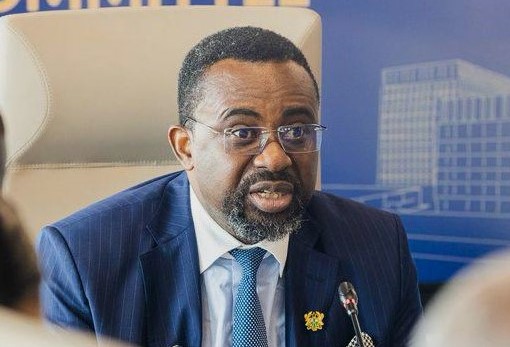
Ghana has maintained strong foreign exchange reserves of $12.9 billion. This figure comes directly from Dr. Johnson Pandit Asiama, the Governor of the Bank of Ghana (BoG).
This robust reserve position persists even as higher global oil prices have increased Ghana’s import bill. The strong performance of gold and cocoa exports has significantly contributed to a higher trade surplus during the first half of the year. These reserves provide a crucial buffer against external shocks, helping the Bank of Ghana support stability in the foreign exchange market.
Ghana's economic resilience is evident in several key indicators. The economy grew by 6.4 percent in the first three months of 2026, surpassing the 6.2 percent recorded in the same period of 2025. This growth was primarily driven by the services and industrial sectors. Additionally, credit to businesses and households grew by more than 41 percent in June this year, a substantial increase from about 9 percent in 2025. This indicates increased access to financing for businesses, fostering expansion and job creation.
Dr. Asiama stated, "Our external sector has also remained resilient." He made these remarks at a stakeholder engagement and dinner meeting in Sunyani. The BoG organized this event to build stronger relationships with stakeholders and ensure that central bank policies meet business needs. Entrepreneurs, businesses, traders, and trade associations attended the meeting.
The BoG Governor acknowledged that the Ghana cedi experienced some pressure earlier this year. This pressure stemmed from global developments, particularly the conflict in the Middle East. However, the BoG remains committed to maintaining an orderly and well-functioning foreign exchange market. The Monetary Policy Committee decided to maintain the Monetary Policy Rate at 14.0 percent. This decision aims to control inflation while supporting business investment and economic growth.
Inflation, a key concern for many Ghanaians, remains low despite a slight increase. Inflation rose from 3.7 percent in May to 5.3 percent in June this year. This figure is still below the BoG’s target range. Dr. Asiama attributed this recent increase mainly to higher transport costs, following the rise in world crude oil prices. Low and stable inflation benefits families, businesses, and encourages investment.
Dr. Asiama emphasized that macroeconomic stability requires a partnership. He highlighted collaboration among policymakers, businesses, financial institutions, traders, farmers, and households. He concluded that understanding, collaboration, and trust in the process make the path to stability clearer and more achievable. The BoG will continue to make decisions that protect the cedi's value, keep inflation low, preserve financial stability, and support sustainable economic growth.