Ghana's gold reserves have risen to US$13.8 billion under President John Dramani Mahama's administration. This represents a substantial increase of US$4.9 billion from the previous US$8.9 billion.
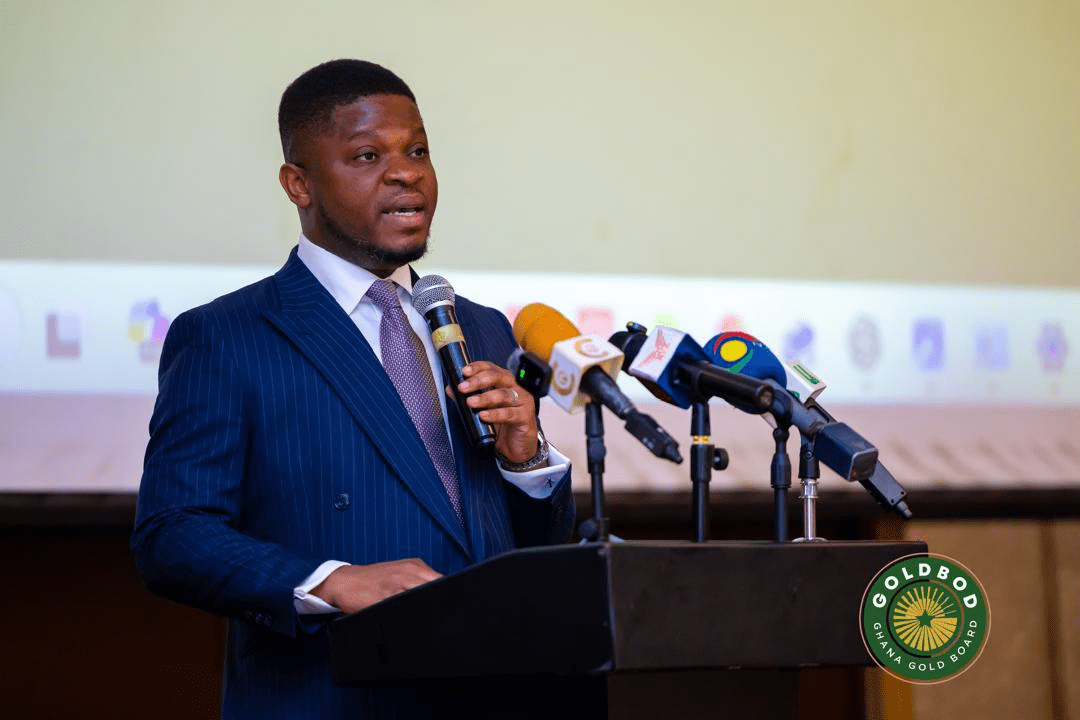
Sammy Gyamfi, Chief Executive Officer of the Ghana Gold Board (GoldBod), confirmed this development on Sunday, August 9, 2026. He attributed the growth to government initiatives focused on strengthening the domestic gold value chain. These initiatives include increasing local refining capacity and improving the oversight of gold trading activities.
This significant increase in gold reserves reflects Ghana's broader strategy to maximize the economic benefits from its rich mineral resources. The nation has historically been a major gold producer, and these reforms aim to capture more value domestically. This aligns with ongoing efforts to diversify the economy and reduce reliance on raw material exports.
Mr. Gyamfi stated, "The Mahama government has increased Ghana’s gold reserve from 8.9 billion dollars to 13.8 billion dollars." He emphasized that these measures are designed to ensure Ghana gains more value from its gold sector. GoldBod is also profiling all licensed gold buyers nationwide to enhance traceability and accountability in the gold market.
The expansion of GoldBod's role is a critical component of this strategy. The institution has moved beyond its previous function of solely purchasing gold for the Bank of Ghana. GoldBod now has broader responsibilities, including buying and selling gold, and managing related foreign exchange transactions with the central bank. This expanded mandate allows for more direct government control and participation in the gold market.
Increased local refining is another key aspect of the government's approach. By processing more of Ghana's gold within the country, the government aims to retain economic value that previously went to overseas refineries. This shift supports local industries and creates more jobs within the country. The reforms are ultimately designed to ensure Ghana captures a greater share of the economic benefits generated across the entire gold production, refining, and trading value chain.
The rise in gold reserves could bolster Ghana's financial stability and improve its foreign exchange position. This development will likely be closely watched by international investors and financial institutions. It signals a more robust approach to managing national assets and leveraging natural resources for economic growth.
The government's focus on local value addition and stricter oversight could also attract further investment into Ghana's mining sector. This strategic direction aims to create a more resilient and self-sufficient gold industry. Future policy decisions will likely build on these foundational reforms to sustain this positive trajectory.