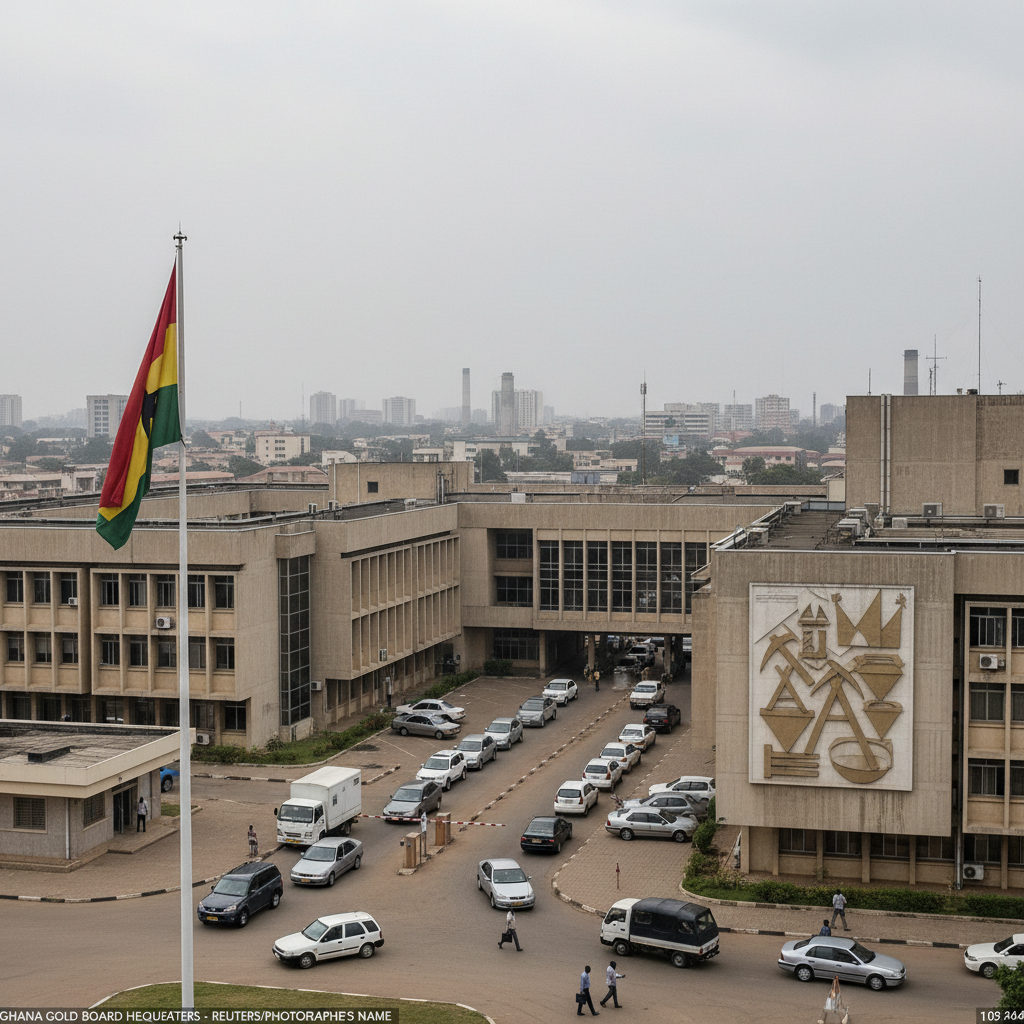
Ghana’s Gold Board has licensed 1,184 gold-buying companies as of May 31, 2026. These licensed entities are part of a regulatory framework designed to improve transparency and efficiency in the gold trade. The licensees include two aggregators, 67 self-financing aggregators, 736 tier 2 buyers, and 379 tier 1 buyers.
These companies must source gold exclusively from licensed miners. They then sell the gold to the Gold Board for aggregation, processing, and export. This system aims to prevent illicit gold trade and ensure state control over precious metal resources. The strategy generated significant revenue, with over US$10 billion for the country in 2025.
This initiative fits into Ghana’s broader economic plan to increase foreign exchange reserves and stabilize the national currency. The Gold Board purchased 135.843 metric tonnes of gold between January 2025 and May 2026. A significant portion, 135.221 metric tonnes, came from the artisanal and small-scale mining sector (ASM). The board’s performance in 2025, which saw 104 metric tonnes of ASM gold purchased and exported, contributed to a 41 percent appreciation of the Ghana cedi against the US dollar. Foreign reserves also rose from US$8.98 billion in December 2024 to US$13.8 billion by December 2025.
Deputy Finance Minister Thomas Ampem Nyarko confirmed these figures to Parliament on June 24, 2026. He stated that the Gold Board’s operations are designed to capture Ghana's gold for the nation's balance sheet and reserves. “The bigger policy point is that government is deliberately shifting Ghana from a regime where gold wealth was dispersed, underpriced, and smuggled,” Mr. Ampem Nyarko explained. He added that the new regime ensures gold is “transparently aggregated, assayed, refined, exported, and turned into foreign exchange and reserves for the Republic.”
The Gold Board’s policy aims to transform Ghana’s gold sector into a structured and value-retaining system. This approach should reduce illegal mining activities and improve regulatory compliance. The Board is also working with the National Anti-Illegal Mining Operations Secretariat. This collaboration will help curb unlawful practices in the sector. The Gold Board’s role extends beyond merely buying gold; it functions as a strategic national asset management institution. Its success will be crucial for Ghana's economic sovereignty and financial stability. Watch for further impact on the cedi's performance and the nation's foreign reserve levels.