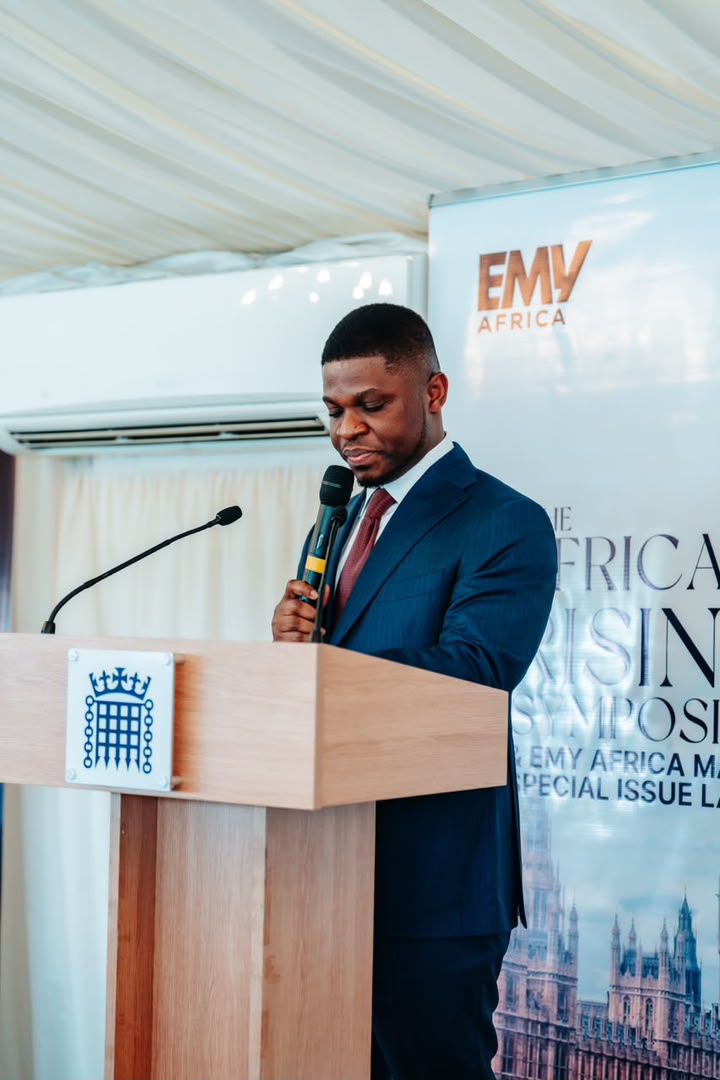
Sammy Gyamfi, Chief Executive Officer of the Ghana Gold Board (GoldBod), has called on the African diaspora to move beyond sending remittances and instead focus on strategic investments. He made this appeal at the EMY Africa — Africa Rising Symposium in London on Thursday, emphasizing that Africa must own its economic transformation.
Mr. Gyamfi highlighted that while remittances are vital for family support and community sustenance, the current moment demands more. He stated that remittances help households survive, but investment transforms economies. He urged the diaspora to send systems home, build enterprises, and sponsor apprenticeships and entrepreneurship, rather than just sending money or sponsoring ceremonies.
This call aligns with Ghana's broader economic strategy to attract foreign direct investment and leverage its diaspora for national development. Ghana has historically relied on remittances, which constitute a significant portion of its foreign exchange inflows. However, there is a growing recognition that these funds could be more effectively channeled into productive sectors to create sustainable economic growth and jobs.
Mr. Gyamfi specifically encouraged diaspora capital into manufacturing, agribusiness, logistics, information technology, green energy, healthcare, value addition, creative industries, and infrastructure. He stressed that Africa must retain more value from its abundant resources, citing Ghana's experience with gold. He explained that GoldBod aims to formalize gold trade, curb smuggling, strengthen foreign exchange generation, and create opportunities for value addition within the country.
He further announced that GoldBod would soon roll out gold-backed tokenization investment assets. This initiative aims to allow more Africans to own a share of the continent's mineral wealth. This model demonstrates a concrete way to shift from raw material export to value retention and local ownership, a critical step for economic independence.
Mr. Gyamfi outlined four key actions for the diaspora. First, they should finance African enterprises that produce, process, export, employ, and scale up. Second, engagement must be based on mutual respect, bankable ideas, shared risk, and shared reward. Third, the diaspora should invest in productive sectors and build mentorship platforms and diaspora investment vehicles. Fourth, they must help Africa keep more value from what it produces through value addition and value retention.
He also noted that African governments have a crucial role in creating the right conditions for these investments. This includes ensuring policy stability, contract sanctity, and strong institutions. Without a predictable and secure investment environment, attracting and retaining significant diaspora capital will remain challenging.
Mr. Gyamfi referenced data indicating that Africa has approximately 532 million young people aged 15-35. He warned that without jobs and capital, this demographic dividend could turn into a crisis. He asserted that African youth need access to skills, financing, credit, markets, technology, mentorship, and institutions that reward effort, rather than charity. The diaspora can play a pivotal role in unlocking these opportunities.
The EMY Africa — Africa Rising Symposium brought together industry leaders, policymakers, and members of the diaspora. The discussions focused on Africa's growth and global partnerships, underscoring the continent's potential for self-driven development. Mr. Gyamfi concluded by stating that Africa's resources await African ownership, and the time to build that future is now.