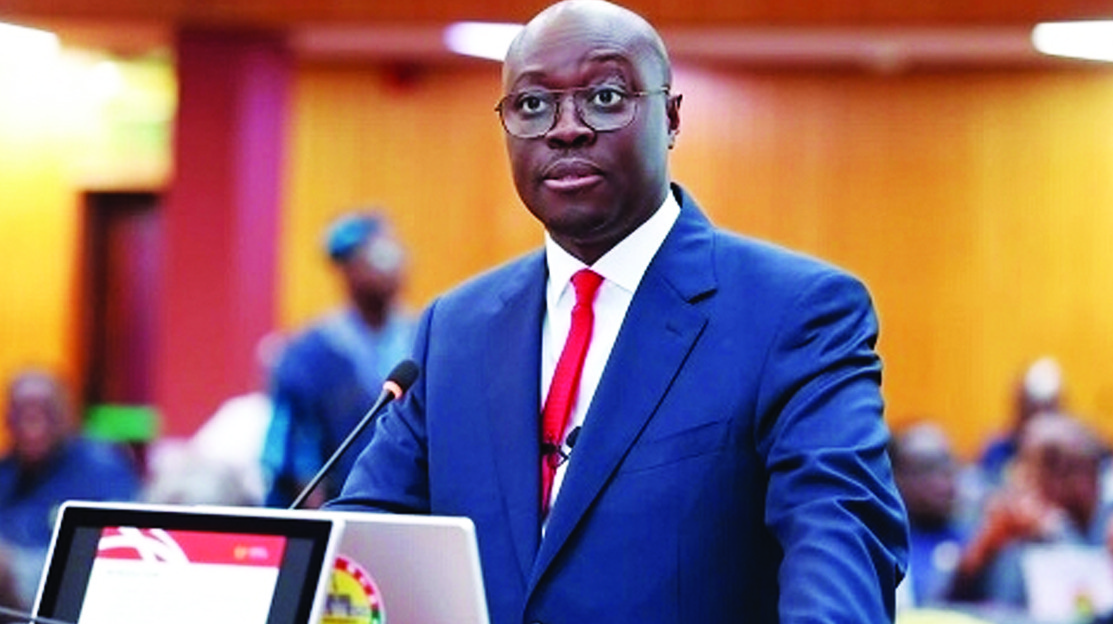
Ghana's Finance Minister, Dr. Cassiel Ato Forson, has declared the nation's economic crisis is over, stating the economy is now on firmer ground. He announced this during the presentation of the 2026 Mid-Year Fiscal Policy Review in Parliament. The Minister pointed to declining inflation, improved investor confidence, and a more stable monetary environment as key indicators of recovery.
This positive outlook follows a period of severe instability in 2022, which saw inflation exceed 50% and significant depreciation of the Ghana cedi (GHS). The government implemented one-and-a-half years of policy interventions to restore confidence and strengthen economic fundamentals. These measures included fiscal consolidation and broader economic reforms aimed at stabilising the macroeconomic environment.
The current economic narrative fits into Ghana's broader struggle for fiscal stability and sustainable growth. The country has historically faced challenges with currency depreciation and high inflation, often exacerbated by external shocks. The government's focus on fiscal discipline and economic reforms is a continuation of efforts to break this cycle. Previous administrations have also attempted similar interventions, with varying degrees of success.
Dr. Ato Forson stated, "The story we are telling today is where Ghana stood, where Ghana stands today and where Ghana is heading." He emphasised that the government's confidence in the economy is based on "sound policy, evidence, measurable performance and credible data." The Finance Minister's comments align with recent monetary policy actions by the Bank of Ghana, which have focused on containing inflation and supporting economic recovery.
Looking ahead, the government is maintaining its 2026 macroeconomic targets. These include reducing inflation to 8%, with a margin of plus or minus two percentage points. The administration also aims to achieve real Gross Domestic Product (GDP) growth of at least 4.8%. Furthermore, the government plans to build international reserves sufficient to cover not less than three months of imports. These targets will be crucial benchmarks for assessing the sustainability of the current recovery.
The 2026 budget framework remains unchanged, with the government undertaking a strategic realignment of expenditures within existing appropriations. This approach aims to maintain fiscal discipline while supporting economic growth. Restoring stability in inflation, interest rates, and the exchange rate environment remains central to reviving private sector confidence. Improved access to credit for businesses is also a key objective. The government's medium-term objective is to consolidate these gains. It seeks to ensure that the economic recovery translates into improved living conditions for all Ghanaians. Investors and citizens will closely watch the government's ability to meet its ambitious 2026 targets.