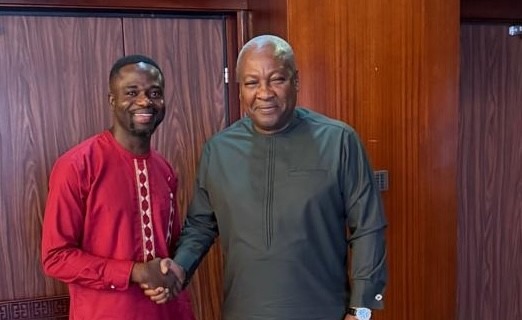
Investigative journalist Manasseh Azure Awuni has declared Ghana’s economy healthier than it was under the previous New Patriotic Party (NPP) administration. This assessment followed the presentation of the 2026 Mid-Year Budget Review by Finance Minister Dr. Cassiel Ato Forson. Mr. Awuni shared his views in a Facebook post on Thursday, July 23, acknowledging modest gains.
Despite this improvement, Mr. Awuni warned that Ghana still confronts deep structural challenges that require urgent attention. He highlighted concerns about low local production, a growing dependence on imported goods, and persistent high unemployment. These issues, he argued, temper any premature celebrations about the economy's current state.
This perspective fits into Ghana's ongoing economic narrative, which often oscillates between periods of optimism and concern over fundamental weaknesses. The country has historically grappled with balancing fiscal stability with the need for inclusive growth and job creation. Data from the Ghana Statistical Service frequently points to the need for increased domestic manufacturing and agricultural output to reduce import reliance.
Mr. Awuni specifically stated, “The first is that the economy looks healthier than it was in the previous administration.” He added that even NPP members would hesitate to return the economy to former Finance Minister Ken Ofori-Atta. This suggests a recognition of the current administration's efforts in economic management, even among critics.
Looking ahead, decision-makers must focus on policies that stimulate local production and create sustainable employment opportunities. The success of initiatives like the proposed 24-hour markets will depend heavily on increasing domestic supply, rather than just facilitating the sale of imported goods. Markets and citizens will closely watch for concrete steps to address these underlying issues.
Mr. Awuni further elaborated on the disconnect between official optimism and the reality faced by ordinary citizens. He noted that budget presentations often generate hope, but their projections frequently fall short during implementation. “The second fact obvious to ordinary minds like mine is that Ghana’s economy is far from the ululations that greeted the Finance Minister’s reading of the mid-year budget yesterday,” he wrote.
A significant concern raised by Mr. Awuni is Ghana’s low production capacity. He warned that the country risks becoming overly reliant on imported goods as foreign-owned retail businesses expand. He argued that the government’s proposed 24-hour markets would primarily retail foreign products, thereby creating jobs elsewhere, if local production does not increase significantly.
Unemployment remains one of Ghana’s most pressing economic challenges, according to Mr. Awuni. He pointed to the high demand for limited public sector jobs, often leading to stampedes during recruitment exercises for security services, as clear evidence of a weak job market. “Today, unemployment is the norm; getting a job is the exception,” he stated, underscoring the severity of the situation.
Mr. Awuni also revealed that discussions with maize and rice farmers indicated many were considering reducing production or abandoning farming. These farmers reported losses from a food glut, partly attributed to restrictions on grain exports. This highlights a critical issue in the agricultural sector, which is vital for food security and rural livelihoods.
While acknowledging the government’s role in stabilizing parts of the economy, Mr. Awuni stressed the importance of addressing these fundamental structural weaknesses. He concluded that Ghana’s economy requires substantial reforms to achieve sustainable growth and create meaningful jobs for its population. The focus must shift from short-term fixes to long-term strategic development.