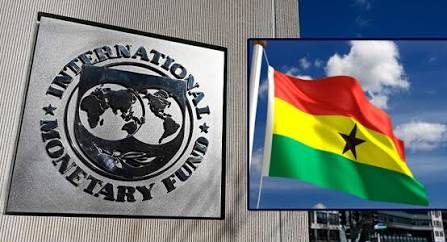
Ghana is preparing to close a significant chapter in its economic history. The government will exit its International Monetary Fund (IMF) financial rescue programme. It will replace this with a policy framework designed to preserve stability without fresh bailout cash.
Finance Minister Dr. Cassiel Ato Forson presented the 2026 Mid-Year Fiscal Policy Review to Parliament on Thursday. He stated the IMF Executive Board is expected to approve the final review of Ghana’s Extended Credit Facility programme next week. This approval will formally end the country’s financial bailout arrangement.
This expected approval marks a symbolic turning point for Ghana’s economy. Only a few years ago, the country battled crisis-level inflation and rapid currency depreciation. It also faced unsustainable public debt, eroded investor confidence, and exclusion from international capital markets. The government’s message is clear: Ghana is moving from crisis management to reform discipline.
Dr. Forson told Parliament that the IMF Executive Board’s approval will successfully conclude the financial bailout programme. This signifies a major step for the nation. The move aims to reassure investors, households, and businesses about Ghana’s commitment to fiscal restraint. It also seeks to maintain policy credibility after the pressure of an IMF financing programme fades.
Instead of another lending arrangement, the government intends to transition to a 36-month Policy Coordination Instrument (PCI). This IMF-supported framework provides policy monitoring but no direct financial disbursement. Unlike the Extended Credit Facility, the PCI does not bring fresh money into the budget. Its value lies in credibility.
The PCI keeps Ghana under a recognised reform framework. It includes semi-annual reviews and measurable benchmarks. This allows the government to argue that Ghana’s economy no longer requires emergency financing to stay stable. Dr. Forson stated the PCI will anchor the next phase of reforms. It will strengthen macroeconomic resilience and support broad-based growth. It also signals an unwavering commitment to sound and disciplined macroeconomic policy.
The proposed framework will focus on six broad priorities. These include sustaining growth-friendly fiscal consolidation and preserving debt sustainability. Other priorities are strengthening fiscal governance and transparency, and enhancing monetary and exchange-rate policy. Reinforcing financial-sector resilience and promoting economic diversification and inclusive growth are also key. This agenda shows the government understands the nature of the next challenge.
Ghana’s crisis may have eased, but its structural weaknesses persist. Public debt must remain under control. Spending discipline must survive political pressure. Revenue mobilisation must improve without overburdening businesses and households. The financial sector must remain resilient. The Ghana cedi must be protected. Growth must become broader than gold, services, and short-term recovery effects.
The move from IMF financing to IMF policy coordination carries a double meaning. It is a vote of confidence in Ghana’s recovery. However, it is also an admission that the economy still needs an external anchor. This anchor is crucial to reassure markets that old habits of fiscal slippage will not return. Ghana’s economic history shows many moments of stabilisation that did not convert into lasting reform. Governments often tightened policy under pressure, restored confidence, then returned to spending patterns that recreated vulnerabilities.
The PCI is designed to reduce this risk. It provides Ghana with a post-bailout policy guardrail. Unlike the ECF, the cost of non-compliance will be reputational rather than immediately financial. There will be no loan disbursement to lose. The real punishment for weak implementation will come through investor doubt, higher borrowing costs, weaker market confidence, and renewed pressure on the currency. This makes domestic political will more important than the IMF framework itself.
Dr. Forson used the Mid-Year Review to argue that Ghana’s recovery reflects deliberate policy choices. He cited disciplined fiscal management, structural tax reforms, and stronger domestic revenue mobilisation. The formalisation of gold exports through the Ghana Gold Board has also strengthened the country’s foreign exchange position. These actions have supported reserve accumulation. This claim is central to the government’s economic narrative.