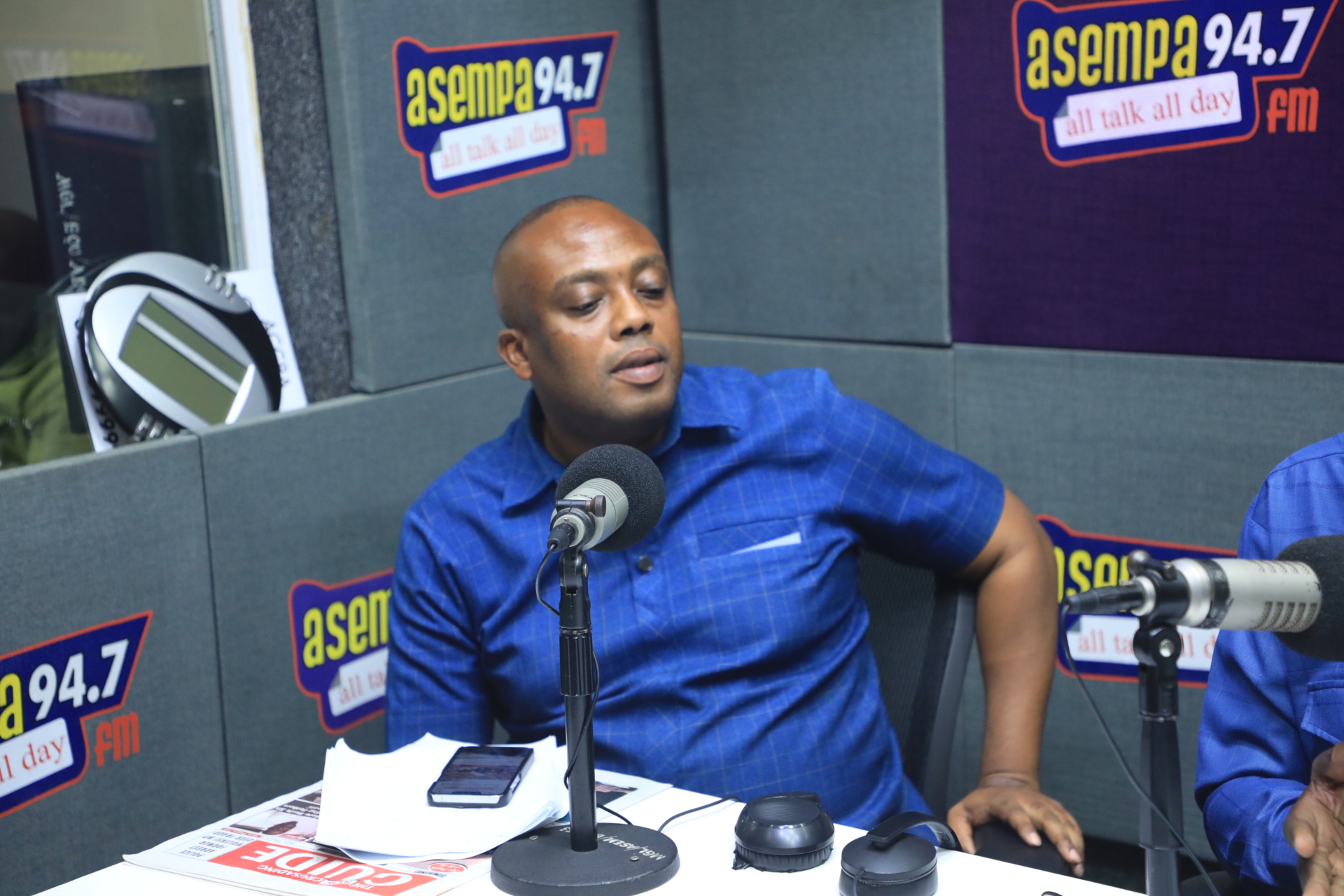
Ghana's 24-hour economy policy is actively progressing, despite its omission from the Finance Minister's recent Mid-Year Budget Review speech. Deputy Finance Minister Thomas Nyarko Ampem confirmed the policy's continued implementation, stating it is being rolled out gradually.
Mr. Ampem clarified that while Finance Minister Dr. Cassiel Ato Forson did not highlight the initiative, the policy is clearly detailed within the accompanying budget documents. He emphasized that the 24-hour economy is a key government focus, with sectoral performance and expectations outlined in the Mid-Year Review materials.
This initiative aims to boost economic activity by encouraging businesses to operate around the clock, potentially increasing productivity and job creation. Its gradual implementation suggests a phased approach to integrate extended operational hours across various sectors of the Ghanaian economy.
Beyond the 24-hour economy, Mr. Nyarko Ampem also addressed concerns regarding Ghana's foreign exchange reserves. He acknowledged a slight recent decline but asserted that the current reserve levels are significantly stronger than those inherited by the present administration. This indicates a more robust financial standing for the country.
Ghana's gross international reserves had previously reached a peak covering 5.7 months of imports, before settling at five months. Mr. Ampem described these fluctuations as normal economic cycles, emphasizing that the current five-month import cover compares favorably to the nearly four months left by the previous New Patriotic Party (NPP) administration. This comparison underscores an improvement in the country's external financial stability.
To further strengthen these reserves, the government has launched the Ghana Gold Reserve Accumulation Programme (GANRAP). This program aims to build sufficient reserves to cover up to 15 months of imports by 2028. GANRAP is a gold-led strategy designed to enhance Ghana's external reserves and improve foreign exchange inflows, reducing reliance on other volatile sources.
Mr. Ampem noted that despite a recent decline in international gold prices, the government is strategically leveraging current market conditions to accumulate reserves. Ghana is also actively exploring other sources of foreign exchange to diversify its reserve portfolio and reduce overreliance on gold. This includes efforts to refine gold locally, which would bring more foreign currency directly into the economy.
The Deputy Finance Minister reiterated Ghana's commitment to maintaining a flexible exchange rate regime. This approach is part of broader government efforts to ensure sustained macroeconomic stability. A flexible exchange rate allows the cedi to adjust to market forces, which can help absorb external shocks and maintain economic balance.
The government's dual focus on implementing the 24-hour economy and strengthening foreign reserves reflects a comprehensive strategy for economic growth and stability. These measures are crucial for attracting investment, managing inflation, and ensuring the long-term health of Ghana's economy. Businesses and investors will closely monitor the progress of both initiatives.