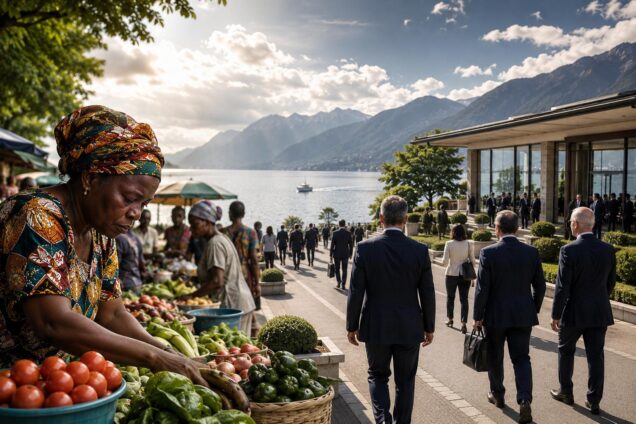
The G7 Summit in 2026 will convene in Évian-les-Bains, France, to tackle critical global issues such as economic uncertainty, geopolitical tensions, rapid technological change, and climate pressures. Decisions made by these leading industrialised democracies will directly influence the everyday lives of citizens in developing nations like Ghana.
These discussions are especially important for Ghana. The country faces rising living costs and volatile markets. Global policies on finance, digital governance, energy, and economic cooperation profoundly shape opportunities in Ghana and across Africa.
This summit arrives at a pivotal moment for the international community. The world is experiencing significant transformations driven by artificial intelligence, cybersecurity threats, and climate change. These factors are reshaping national priorities and economic landscapes worldwide.
A recent report highlighted Ghanaian market traders' frustration with soaring prices and shrinking incomes. One trader questioned, “Why does life become harder when decisions are made so far away from us?” This sentiment underscores how global decisions have direct local consequences.
The current period demands effective international cooperation to keep pace with rapid global changes. The summit will go beyond managing immediate crises. It will focus on adapting international cooperation to an increasingly interconnected world.
For Africa, these conversations hold particular significance. The continent boasts one of the youngest populations globally and several of the fastest-growing economies. This makes Africa central to discussions on investment, technology, trade, and sustainable development.
The impact of the G7 Summit will be measured not only by its final communiqué. The true measure will be whether the discussions foster a more stable, cooperative, and resilient international order. This will affect millions worldwide, including Ghanaians.