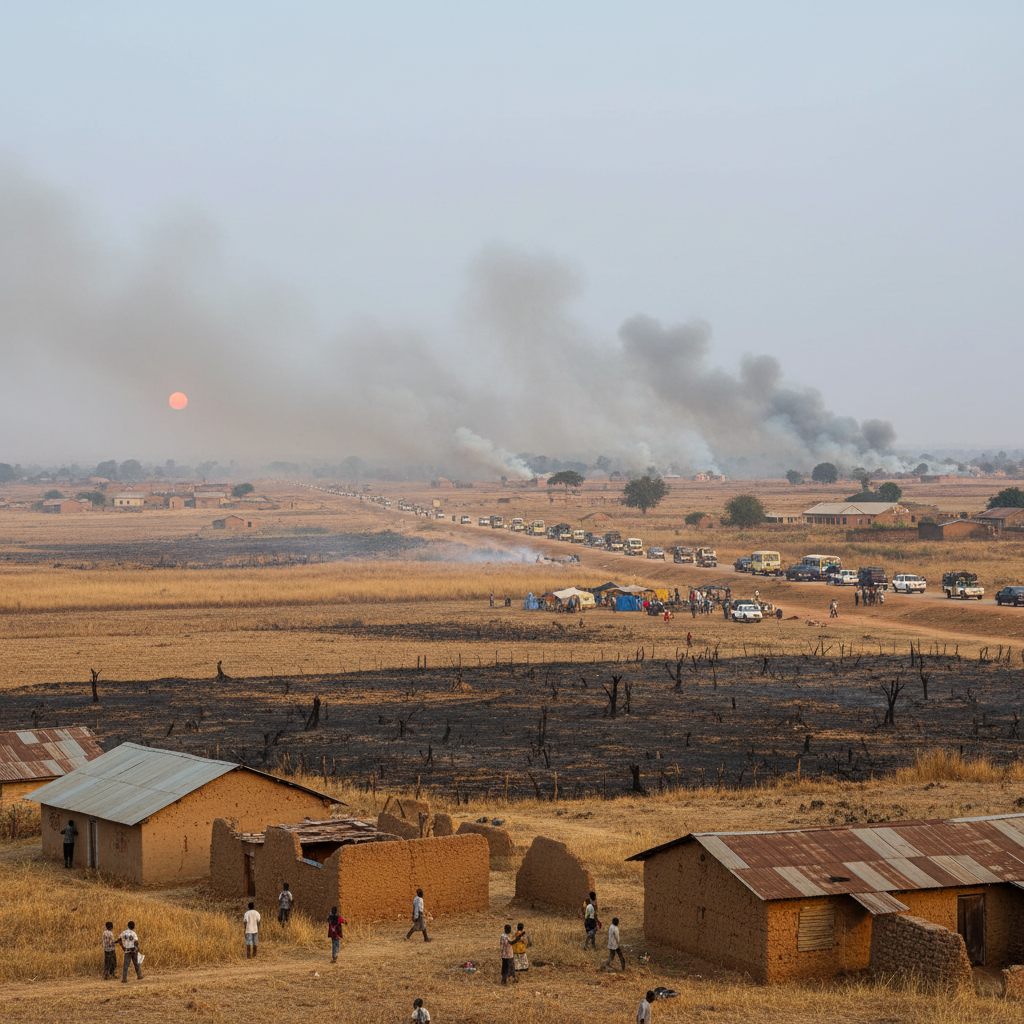
Devastating wildfires are currently tearing through France and Spain, forcing more than 300,000 people to evacuate their homes. France is experiencing its worst wildfires in two decades, while officials in Madrid state these are the most severe fires the region has ever faced.
These intense blazes follow a sweltering summer of heatwaves across Europe, with temperatures soaring above 40C (104F) in many locations. In Spain, three separate wildfires in the mountains outside Madrid have collectively burned approximately 297 square miles (770 square kilometers). The worst-affected area in France is Gironde, near Bordeaux, where over 200,000 people have been displaced. The fire there has consumed more than 162 square miles (420 square kilometers) in less than four days, an area roughly four times the size of Paris.
The current wildfire crisis fits into a broader pattern of increasing climate-related disasters impacting global economies and infrastructure. The fires in Gironde have threatened sensitive military and industrial sites, including facilities involved in French ballistic missiles, rocket motors, and hazardous chemical processing. Such threats can disrupt supply chains and pose significant national security risks, underscoring the economic and strategic implications of these environmental events.
Francisco Martin, a government delegate in Madrid, described the fires as "undoubtedly the largest fire in the history of the Madrid region." This statement highlights the unprecedented scale and severity of the current situation. The fires have become so extreme they are creating their own giant fire thunderstorms, a rare weather phenomenon where intense heat generates cumulonimbus clouds that can produce lightning, starting new fires.
To combat these unpredictable conditions, French firefighters are utilizing planes loaded with fire retardant. They also deploy specialized aircraft like the Canadair, which can scoop 6,000 liters of water from lakes or the sea in just 12 seconds. In Gironde, approximately 2,500 firefighters, 1,500 military personnel, and 1,200 police officers are actively involved in tackling the blaze. Ground crews are also creating firebreaks, which are 100-meter-wide strips of land cleared of vegetation, to halt the fire's spread.
The implications of these wildfires are far-reaching, extending beyond immediate property damage and displacement. The hotter, drier conditions exacerbated by climate change allow fires to spread faster and burn more fiercely. Experts fear worsening conditions in the coming week, with forecasts predicting continued high pressure, dry weather, and increasingly hot temperatures. This ongoing crisis will likely prompt further discussions on climate change mitigation and adaptation strategies, as well as increased investment in fire prevention and response mechanisms across Europe. The economic cost of these disasters, including agricultural losses, infrastructure damage, and tourism impacts, will be substantial.