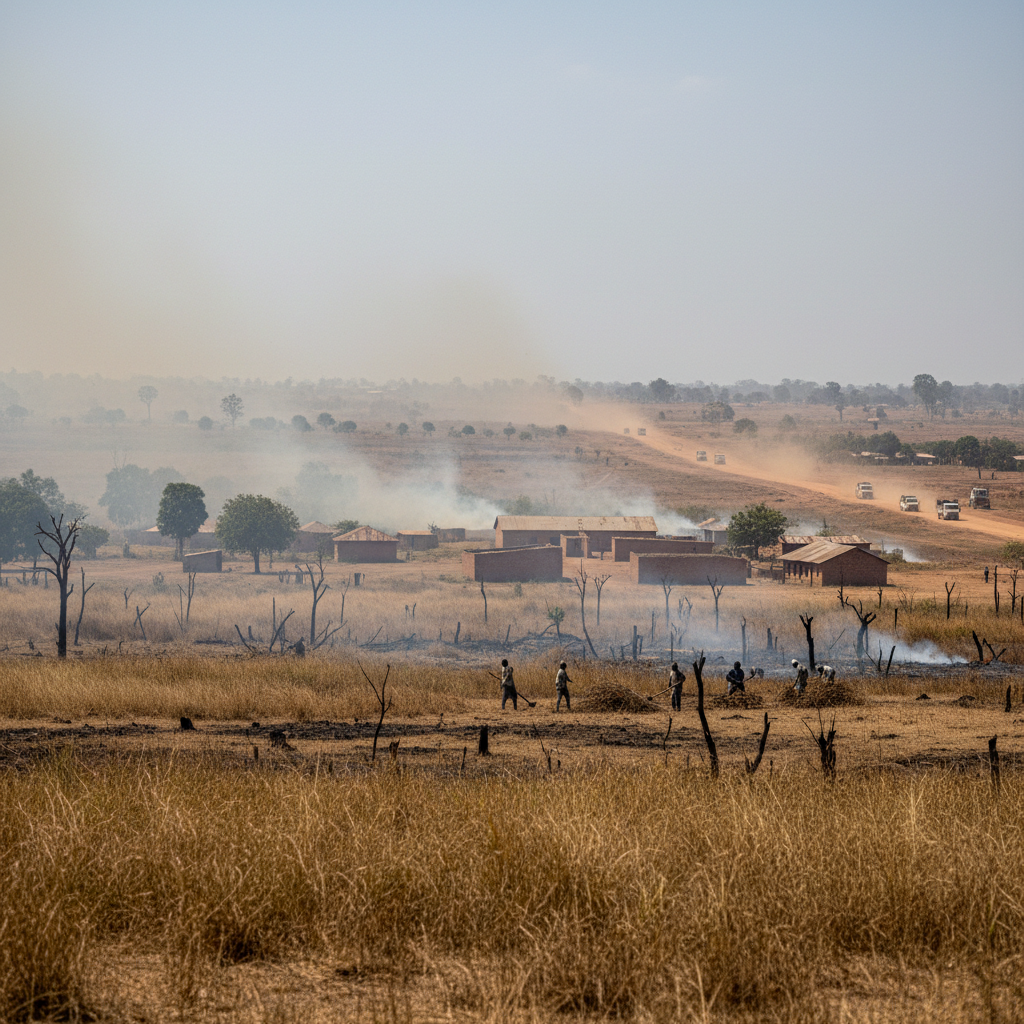
Europe battles wildfires as heat intensifies

    France, Spain, and Greece face extensive blazes, mass evacuations, and significant disruption amid record-breaking temperatures and strong winds.

    1 min read2 min listen
    Europe battles wildfires as heat intensifies
    Europe is currently grappling with a severe wave of wildfires, as France, Spain, and Greece battle extensive blazes. These fires have led to mass evacuations, significant disruption, and tragic fatalities, including three firefighters in Greece. The continent is experiencing record-breaking temperatures, parched vegetation, and powerful winds, which are exacerbating the crisis. The fires are a direct consequence of an increasingly tinder-dry Europe, which is the world's fastest-warming continent. Emergency crews have faced continuous challenges this summer, with little respite between heatwaves and fire fronts. The current wildfire season has already surpassed 2025's record-breaking year in terms of land burned and intensity. This situation fits into a broader pattern of climate change impacting global economies and public safety. The average high temperature across Europe is forecast to be 25.3 degrees Celsius, which is 3.6C above the typical average from 1961 to 1990. This significant deviation from historical norms highlights the escalating environmental challenges faced by European nations, impacting tourism, agriculture, and infrastructure. Spanish Prime Minister Pedro Sanchez described the crisis facing his country as "extreme." He noted the critical combination of high temperatures, low humidity, and strong wind gusts fueling the flames. Sanchez has requested the European Commission establish a new EU wildfire-fighting center in the western Mediterranean region, specifically on the Balearic island. The immediate implications are severe, with thousands of residents and holidaymakers displaced. In southwestern France, authorities reported that fires near Bordeaux had burned 42,000 hectares, forcing 220,000 people to evacuate. While some 60,000 have returned, the fires are not yet over. The economic impact includes lost tourism revenue, damage to property, and increased public expenditure on emergency services. Decision-makers will need to focus on enhanced disaster preparedness and long-term climate adaptation strategies. The ongoing crisis underscores the urgent need for coordinated international efforts to mitigate climate change and its devastating effects.

    Comments

    More from StatsGH