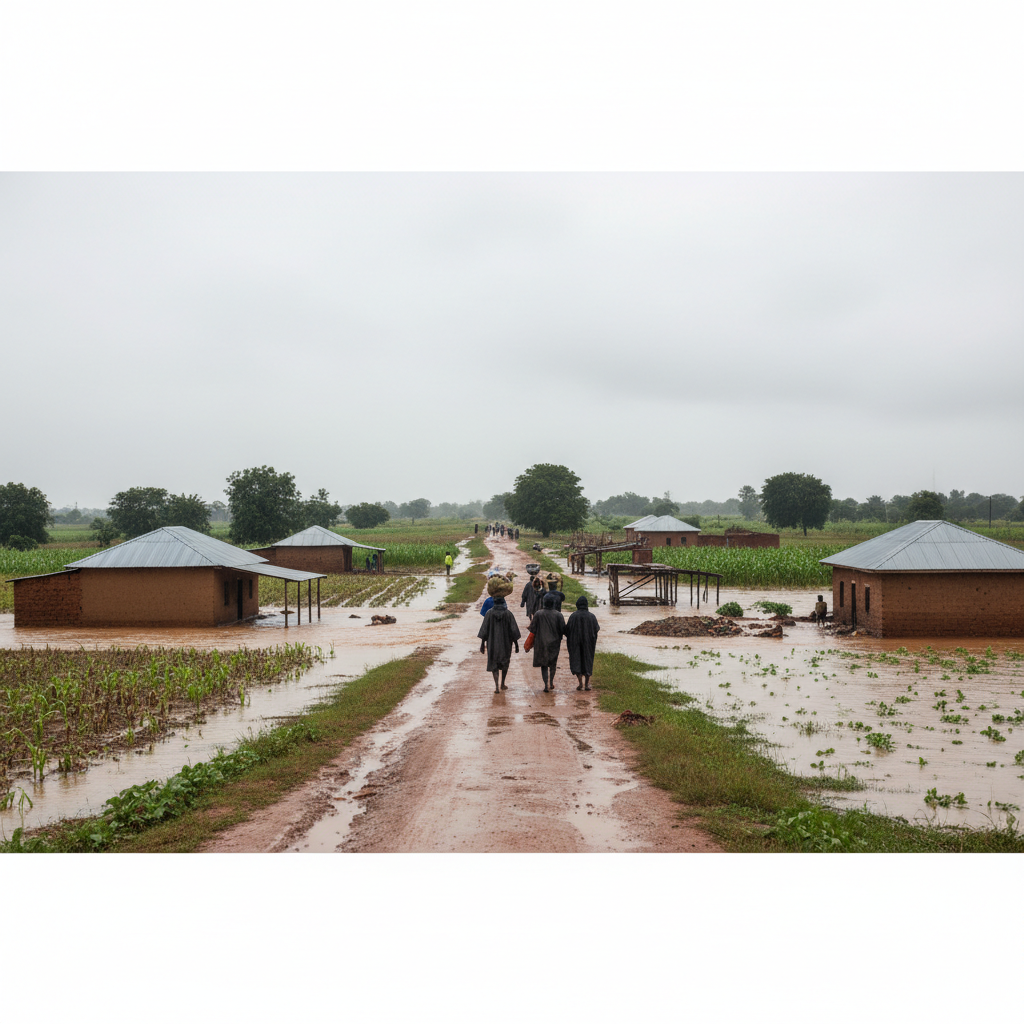
The International Rescue Committee (IRC) warns that an intensifying El Niño weather pattern could bring severe flooding, drought, and disease outbreaks to millions across East Africa and Asia. This humanitarian crisis includes potential heatwaves. Communities in Somalia, Kenya, Uganda, Bangladesh, Pakistan, and Afghanistan face the highest risks.
The IRC urges governments and international donors to invest in early action. This proactive approach aims to prevent widespread suffering and reduce the need for emergency responses. Somalia, already struggling with prolonged drought, expects a 60% chance of above-average rainfall in its south and southwest. This rainfall could trigger significant floods, compounding existing challenges.
This predicted major weather event adds to Ghana's broader concerns about climate change impacts. Ghana itself has experienced severe flooding, disrupted agriculture, and increased health risks. For instance, Ghana's Meteorological Agency frequently issues warnings about heavy rainfall affecting transport and livelihoods. Floods in Ghana have historically displaced thousands and caused significant damage to infrastructure and farms, echoing the IRC's concerns for other regions.
Bob Kitchen, IRC Vice President for Emergencies, emphasized the urgency. He stated, “Acting now, before the rain falls, is far cheaper and far more humane than responding after people have lost everything.” The IRC has expanded its anticipatory action programmes. These programmes provide cash assistance to vulnerable families before disasters strike. This support helps families buy food, secure clean water, and protect livestock.
The current El Niño event poses significant humanitarian and economic implications. A key weather update due on July 15, 2026, will likely influence funding decisions and emergency preparedness efforts. Extensive flooding in East Africa could contaminate water supplies, increasing the risk of cholera and acute watery diarrhoea outbreaks. An 80–82% chance of El Niño persisting through 2026 exists for Kenya. Uganda also expects a shift from dry conditions to heavy rainfall later in the year, raising concerns about flooding and displacement. More than 413,000 people were affected during Uganda's previous El Niño episode.
The impact extends to Asia as well. Pakistan expects below-normal seasonal rainfall but rising temperatures. Northern mountainous regions of Pakistan face an increased risk of sudden floods from rapid glacier melt. Bangladesh has already suffered deadly monsoon rains this year, killing 15 Rohingya refugees and displacing over 10,000 people. Afghanistan also anticipates above-average rainfall, placing large parts of the country at risk of flooding. The IRC calls for increased funding for early warning systems and cash support. These measures can save lives and lessen the long-term impact of climate-related disasters.