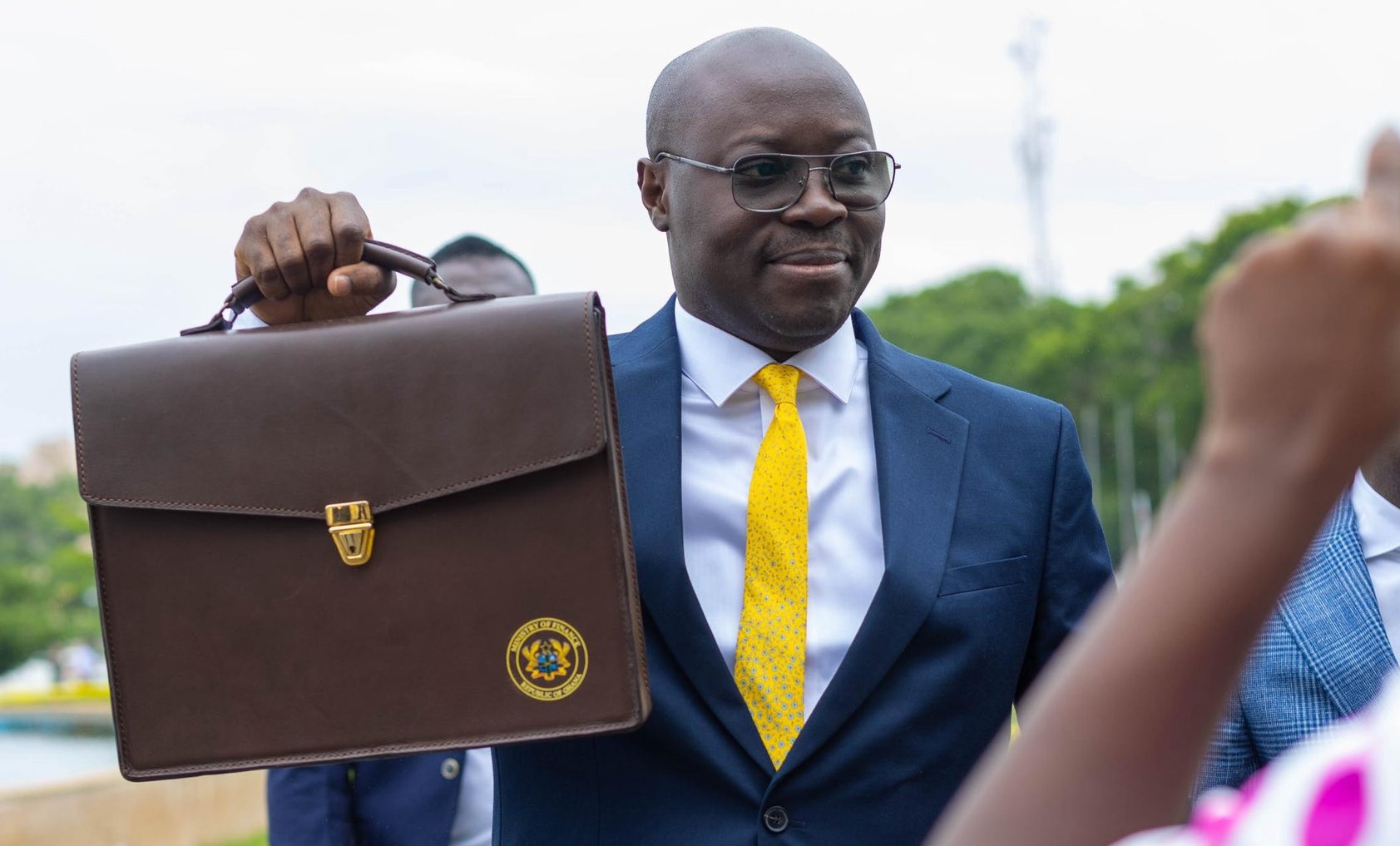
Economists, businesses, and industry players have urged Finance Minister Dr. Cassiel Ato Forson to address 12 critical priorities in the upcoming 2026 Mid-Year Budget Review. These stakeholders seek bold measures to protect Ghana’s economic recovery and support long-term growth. While inflation has eased and macroeconomic conditions show improvement, experts warn that these gains remain fragile.
The recommendations focus on maintaining stability and fostering sustainable development. Key priorities include safeguarding exchange rate stability through strong monetary and fiscal measures. This will prevent excessive cedi depreciation, improve investor confidence, and support business planning. Strengthening debt management is also crucial, requiring clear debt reduction targets and timely debt servicing to preserve Ghana’s international financial credibility.
These calls come as Ghana navigates a period of economic adjustment. The nation has seen some positive shifts, but underlying vulnerabilities persist. The government's ability to implement these measures will significantly influence future economic trajectories. This aligns with broader efforts to build a resilient economy capable of withstanding external shocks.
Dr. Charles Nyaaba, spokesperson for the Rice Producers and Processors Association of Ghana (RIPAG), highlighted the urgent need to support farmers. He warned that many maize and rice farmers are struggling to sell last year's harvest. Dr. Nyaaba stated, “If the necessary attention is not given and many farmers decide not to produce this year, next year we may see food inflation rising again.” He emphasized that food prices have largely driven the recent decline in inflation, yet farmers bear the cost of these gains.
The budget review must also unveil a clear post-International Monetary Fund (IMF) strategy. Economist Prof. Godfred Bokpin stressed the importance of sustaining economic gains after the IMF-supported program concludes. He noted, “The more important thing is how we are going to sustain the limited gain that we have made under the IMF-supported programme.” Prof. Bokpin called for measures beyond the Policy Coordination Instrument to ensure continued stability.
Other vital priorities include sustaining inflation decline through prudent fiscal and monetary policies. This will create room for lower commercial lending rates. Clearing government arrears is also essential, requiring a transparent plan to settle outstanding payments to contractors and suppliers. This will improve liquidity within the private sector.
Reducing the tax burden is another key recommendation. Stakeholders propose reviewing nuisance taxes and simplifying the customs duty regime. These changes would lower the cost of doing business and encourage investment. Boosting small and medium enterprises (SMEs) is also critical, involving expanded access to affordable credit, targeted grants, and business support programs to drive job creation.
The government should prioritize completing ongoing infrastructure projects rather than initiating new, unbudgeted capital works. Investing in agricultural resilience, including irrigation and improved inputs, will strengthen food production and reduce future inflation risks. Expanding youth employment through technical and digital skills training and targeted public sector recruitment is also crucial.
Finally, a review of utility tariffs is necessary. This should balance adjustments with targeted social protection to cushion vulnerable households. Preventing further increases in the cost of living is a significant concern for many Ghanaians. Businesses, investors, and development partners are closely watching the Mid-Year Budget Review. The government’s response to these priorities will determine if Ghana’s recent economic gains translate into sustainable, long-term growth.