Ghana's macroeconomic recovery has not yet improved the daily financial lives of most households. National economic indicators show positive trends but ordinary families continue to face high living costs and stagnant incomes. This disparity highlights a significant challenge in the country's economic development.
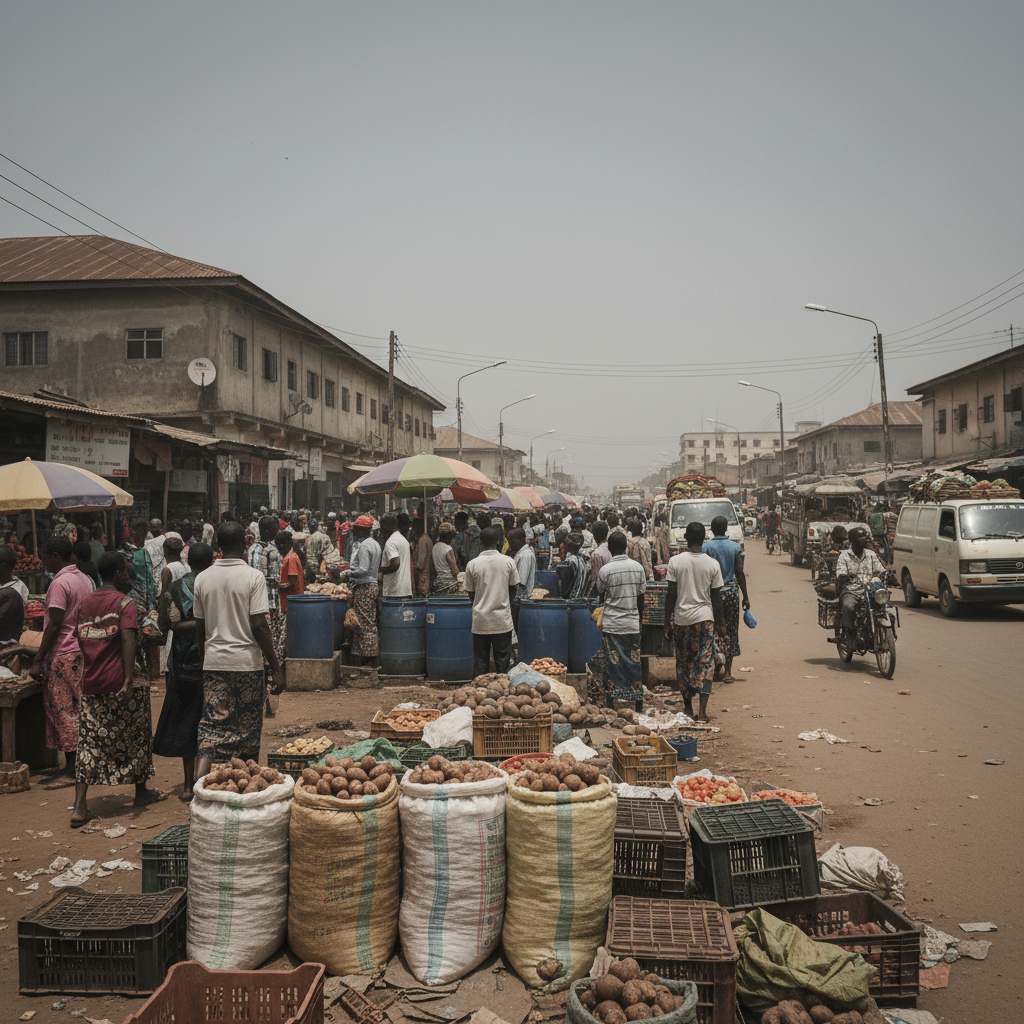
Millions of households are still struggling with expensive food, transportation, and housing. Prices remain much higher than before the economic crisis, even as inflation slows down. This creates a disconnect between the official economic recovery and the financial realities for many everyday Ghanaians.
This situation fits into a broader pattern in Ghana where economic growth often fails to create widespread prosperity. National statistics, like rising Gross Domestic Product (GDP), show improvement. Yet, these numbers do not reflect the persistent financial struggles at the household level. This raises important questions about how effective public policies are in ensuring that average citizens benefit from economic progress.
Professor Samuel Lartey, writing in BFTOnline, explains this disconnect as a "household recovery gap." He states that while Ghana has made commendable progress in restoring macroeconomic stability following the 2022 disruptions, the benefits are not reaching the kitchen table. He emphasizes that true economic recovery must be inclusive, equitable, and transformative.
Moving forward, policymakers must prioritize strategies that ensure economic gains translate into tangible improvements for families. This includes addressing high living costs and fostering job creation, especially for young graduates. Observers will be watching to see if future economic policies can bridge this gap between national statistics and everyday financial realities.
Key economic indicators provide encouraging signs of national recovery. Inflation has decreased significantly from its crisis peaks. The Ghana cedi has shown greater stability against other currencies. Foreign exchange reserves have also strengthened, indicating a healthier financial position for the country. Investor confidence has improved, attracting more money into Ghana's economy.
However, despite these positive macroeconomic developments, the cost of living remains the most significant economic challenge for many. Food takes up a larger portion of household budgets now. Transportation fares, rent, and utility bills continue to pressure family finances. Healthcare and education expenses also remain high for many, making it difficult for households to plan for the future. The issue of youth unemployment further complicates the situation. Many graduates struggle to find meaningful jobs, leading to underemployment or migration. This represents a significant waste of national investment and potential productivity for Ghana's economy.