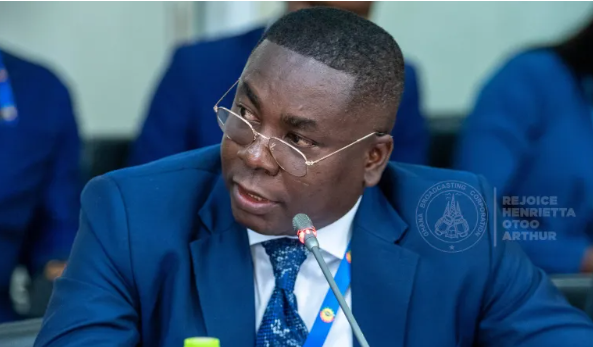
Dr. Gideon Boako, Member of Parliament for Tano North, stated that Ghana’s economic recovery remains incomplete. He emphasized that true recovery must lead to improved living conditions for ordinary citizens. Dr. Boako is also the Deputy Ranking Member of Parliament’s Finance Committee.
He argued that economic performance should not rely solely on figures like inflation, fiscal balances, or economic growth. Instead, it must reflect the daily experiences of unemployed graduates, traders, farmers, and households. Citizens prioritize finding jobs, sustaining businesses, accessing good roads, and meeting daily needs over positive economic statistics.
This perspective highlights a critical aspect of Ghana’s broader economic narrative. While official reports often cite improvements in macroeconomic indicators, many citizens still face significant challenges. The disconnect between national economic data and individual well-being is a recurring theme in public discourse.
“Ultimately, citizens do not vote for economic statistics. They vote for better lives,” Dr. Boako said. He added that the real assessment of the economy would come from those struggling daily. This includes unemployed graduates, struggling traders, unpaid contractors, and farmers dealing with poor infrastructure.
Ghana must move beyond headline economic improvements, Dr. Boako stressed. The focus should shift towards achieving broad-based and inclusive growth. This growth must create jobs, expand opportunities, and directly improve living standards for all Ghanaians.
Sustainable economic stability should serve as a foundation for increased productivity and employment. It should not be seen as an achievement in itself. Dr. Boako warned that growth without visible progress for citizens remains an incomplete success. He reiterated that broad-based, shared, and inclusive growth requires strong and sustainable economic stability.
The government’s ongoing efforts to stabilize the economy, including fiscal consolidation measures, aim to restore confidence. However, the impact of these measures on the average Ghanaian remains a key concern. The International Monetary Fund (IMF) program, for instance, seeks to address Ghana's debt challenges and restore macroeconomic stability. Yet, its success will ultimately be judged by its tangible benefits to the populace.
Decision-makers and markets will closely watch how economic policies translate into real-world improvements. The upcoming national elections will likely see these issues dominate political discourse. Voters will assess candidates based on their ability to deliver tangible economic relief and opportunities. The government faces pressure to demonstrate that its economic strategies are genuinely improving livelihoods across the country.
The call for inclusive growth resonates with many development economists. They argue that economic growth is only meaningful when its benefits are widely distributed. Without this, disparities can widen, potentially leading to social unrest. Ghana’s long-term prosperity depends on ensuring that economic recovery is felt by every citizen, not just reflected in national accounts.