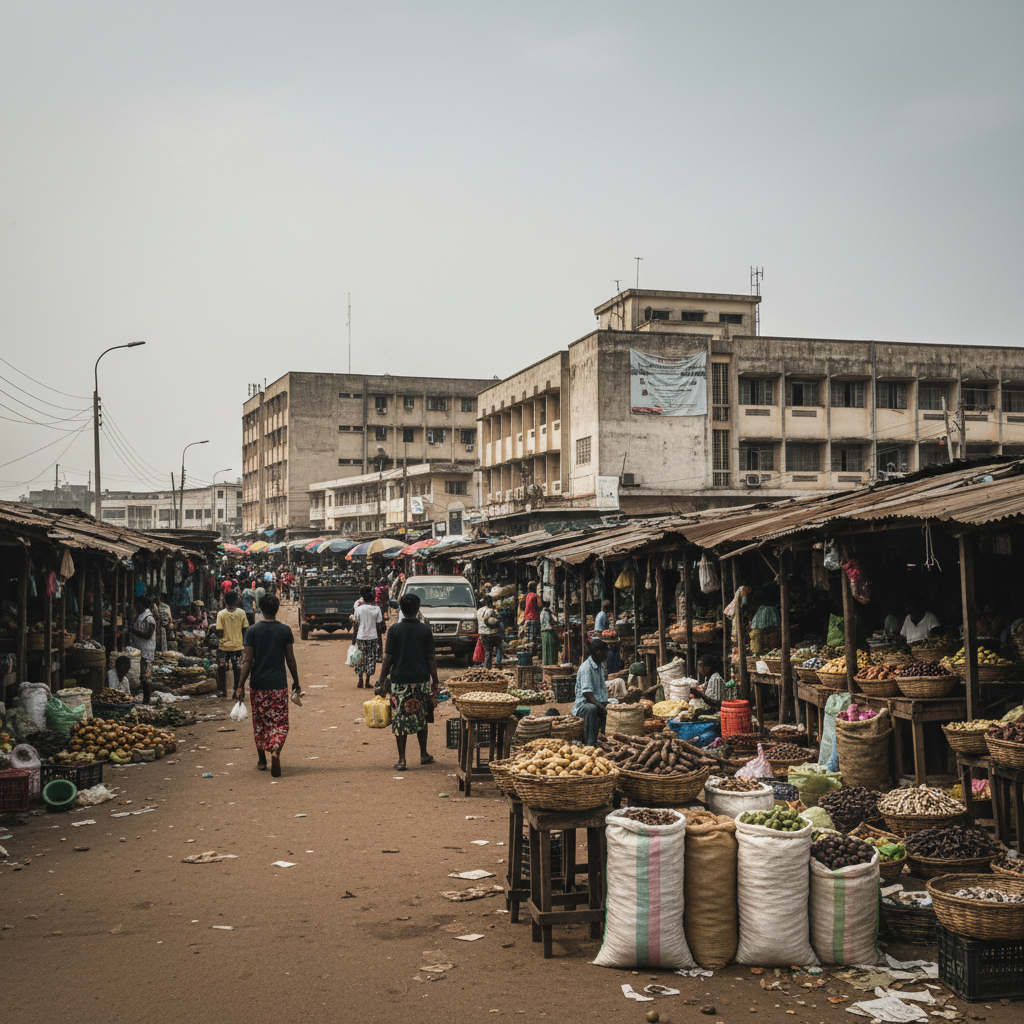
The World Health Organization (WHO) has declared that the current Ebola outbreak in the Democratic Republic of Congo (DRC) is on course to become the deadliest in history. This alarming projection comes as the outbreak has already caused more than 2,000 deaths and recorded at least 4,300 cases since its declaration on May 15. The Director-General of the WHO, Tedros Adhanom Ghebreyesus, stated that the outbreak, at its current pace, would eclipse the 2014-2016 West African epidemic that killed at least 11,000 people.
This severe health crisis began in February, though it was only officially declared in May. Initial cases were often misdiagnosed as malaria or typhoid, allowing the virus to spread undetected for months. The delay in identification significantly hampered early containment efforts, contributing to the rapid escalation of cases and fatalities. The ongoing instability in parts of the DRC, including armed conflict and community mistrust, further complicates public health interventions and the safe burial of victims, which are crucial for stopping transmission.
For Ghana and the broader West African region, the potential for an even deadlier Ebola outbreak carries significant economic and social implications. The 2014-2016 epidemic severely disrupted trade, travel, and investment across affected countries, leading to substantial economic contractions. Ghana, a key regional player, experienced indirect economic impacts through reduced regional trade and increased health security spending. A prolonged or more severe outbreak in the DRC could trigger similar ripple effects, affecting supply chains, commodity prices, and investor confidence across the continent. The focus on health security measures and border controls would also divert resources from other critical development areas.
Dr. Mohamed Janabi, WHO Africa director, highlighted the challenge, stating, "We are chasing the virus, the virus is ahead of us." This admission underscores the difficulty health authorities face in controlling the spread, especially given the virus's early undetected circulation. The WHO hopes to reverse the spread within three months, but this goal focuses on controlling transmission, not ending the outbreak entirely. This statement reflects the immense challenge of containing such a virulent disease in a complex environment.
The implications of this escalating health emergency are profound, extending beyond immediate public health concerns. International aid organizations and governments will need to increase funding and logistical support to the DRC to prevent further spread. Markets, particularly those sensitive to global health crises like travel and tourism, will closely monitor developments. Decision-makers in Ghana and other African nations must review their pandemic preparedness plans and strengthen regional health surveillance systems. A failure to contain this outbreak could lead to widespread economic disruption, increased healthcare burdens, and a significant setback for development efforts across Africa. The international community's response will be critical in determining the ultimate human and economic cost of this unfolding tragedy.