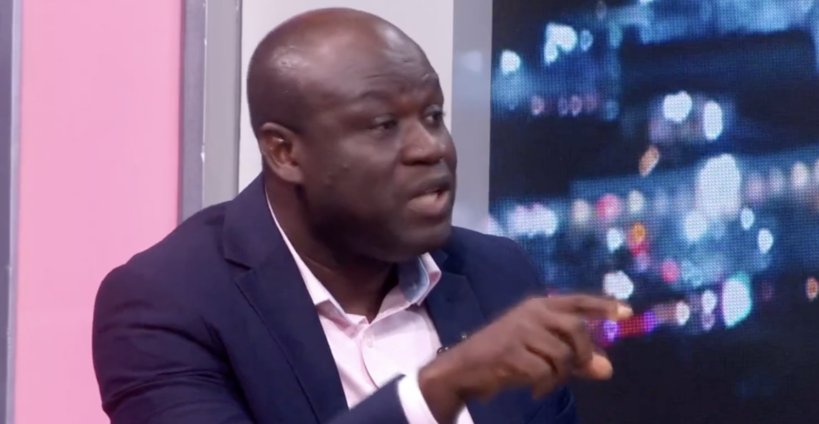
Mark Badu-Aboagye, CEO of the Ghana Chamber of Commerce and Industry, has strongly criticized the 2026 Mid-Year Budget Review. He stated the budget failed to outline a clear plan for the government's flagship 24-Hour Economy policy. Badu-Aboagye emphasized that this omission is a major disappointment. He warned it could cause Ghana to miss a crucial development opportunity.
The CEO described the 24-Hour Economy as Ghana's primary development blueprint. He believes every national budget, whether mid-year or major, should align with this agenda. Badu-Aboagye expressed concern that without concrete policy statements, Ghana risks long-term economic stagnation. He stressed that implementation, not just policy conceptualization, is the core challenge.
This criticism comes as Ghana seeks to boost its industrialization and export capabilities. The 24-Hour Economy aims to extend business operating hours. This is intended to increase productivity, create jobs, and drive economic growth. However, the lack of a detailed implementation strategy in the budget raises questions about the government's commitment. It also raises questions about the feasibility of achieving these ambitious goals.
Mark Badu-Aboagye stated, “For me, it is the major development blueprint that we have in this country, and if you miss it, we are doomed in the next years ahead of us.” He further argued that while the policy is well-presented, the private sector needs a conducive environment to lead industrialization. High interest rates, currently at 16.5% for businesses, and the policy rate of 14%, remain significant barriers. These rates deter businesses from investing in manufacturing and expansion.
The implications of this budgetary silence are significant for Ghana's economic future. Without clear government support and a roadmap, private sector investment in the 24-Hour Economy may falter. This could undermine efforts to create jobs and boost exports. Decision-makers will need to address these concerns to ensure the policy moves beyond rhetoric. They must provide tangible incentives and a supportive regulatory environment for businesses.
Badu-Aboagye also questioned the effectiveness of merely funding a secretariat for the policy. He noted that GHS 101 million allocated to the secretariat does not translate into on-the-ground progress. He insisted that industrialization must be the foundation of the 24-Hour Economy. Without it, the goals of increased exports and job creation cannot be achieved. He warned against repeating past implementation failures of initiatives like the 1D1F (One District One Factory) program. Businesses will not borrow at high rates like 35% to set up factories that yield no profit.
The Chamber of Commerce CEO's remarks highlight a critical gap between policy aspiration and practical execution. Ghana's economic stability and growth depend on robust industrial output. The government must create conditions for the private sector to thrive. This includes addressing high financing costs and electricity tariffs. The success of the 24-Hour Economy hinges on these fundamental economic reforms. Investors and businesses will closely watch for concrete steps in future budget reviews.