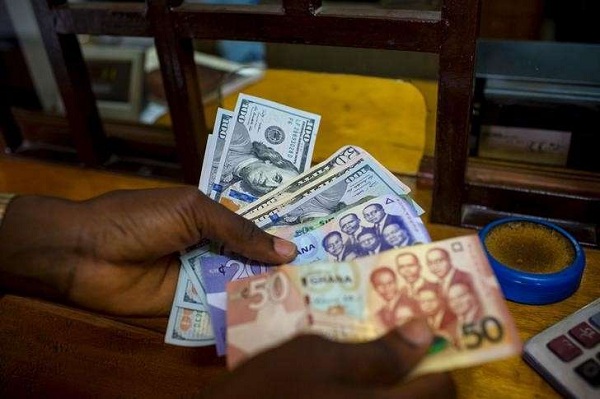
Ghana's cedi has weakened significantly, with one US dollar now trading at GHS 11.95 at forex bureaus. This recent depreciation reverses some of the local currency's earlier gains and extends its year-to-date depreciation against the dollar to nearly 9.0%.
The primary cause of this renewed pressure is a strong demand for foreign exchange (forex) that outstrips available supply in the interbank market. Corporate entities and offshore investors are seeking forex for import payments, repatriating profits, and building up inventory before the year-end. This high demand, combined with a tighter supply, has put the cedi under considerable strain.
This weakening trend fits into Ghana's broader economic narrative of managing currency stability amid global and domestic pressures. The cedi's performance directly impacts the cost of imported goods, affecting businesses and consumers alike. Persistent depreciation can fuel inflation, making everyday items more expensive for Ghanaian households. The Bank of Ghana's efforts to stabilize the currency are crucial for maintaining economic confidence and planning.
Databank Research attributed the cedi's recent weakness to these factors. They noted that roughly 70% of the depreciation over the fortnight occurred in the first week. The research firm highlighted that the Bank of Ghana's reportedly lower US$500 million intervention target for September 2026 reduced the immediate liquidity cushion. This limited intervention meant less foreign currency was available to meet the high demand.
Looking ahead, the cedi is expected to maintain a mild depreciation bias in the coming weeks. However, planned interventions could offer some relief. GoldBod, a company, intends to supply US$700 million in forex to commercial banks. This, along with continued support from the Bank of Ghana and ongoing accumulation of foreign reserves, should improve market liquidity. These measures aim to prevent a disorderly adjustment of the currency, which could have more severe economic consequences.
The cedi's performance is a critical indicator for Ghana's economy. Businesses importing raw materials or finished goods face higher costs, which can be passed on to consumers. This situation underscores the importance of Ghana's drive to boost local production. Increasing domestic manufacturing and agricultural output can reduce reliance on imports, thereby lowering the demand for foreign currency. This strategy is vital for long-term currency stability and economic resilience.
Furthermore, the government's fiscal policies and debt management also play a significant role. Prudent spending and efforts to attract foreign direct investment (FDI) can bolster foreign currency reserves. A strong reserve position provides the Bank of Ghana with more tools to intervene effectively when the cedi faces pressure. Investors and international partners closely monitor these developments, as currency stability is a key factor in their confidence in Ghana's economic outlook.
The interbank market saw the cedi weaken by 1.85% against the US dollar, trading at GHS 11.46. It also depreciated by 1.75% against the British pound, reaching GHS 15.50, and by 2.04% against the Euro, trading at GHS 13.31. These movements reflect the broad-based pressure on the local currency. Retail forex movements were relatively subdued, with the dollar closing at GHS 11.90, the pound at GHS 15.93, and the euro unchanged at GHS 13.68. The difference between interbank and retail rates highlights market segmentation.
The Bank of Ghana's role in managing monetary policy is central to addressing these challenges. Its decisions on interest rates and foreign exchange interventions directly influence market dynamics. While the recent depreciation is a concern, the planned interventions offer hope for some stabilization. The long-term solution involves structural economic reforms that enhance Ghana's export capacity and reduce its import dependency. This will create a more sustainable balance between forex demand and supply.