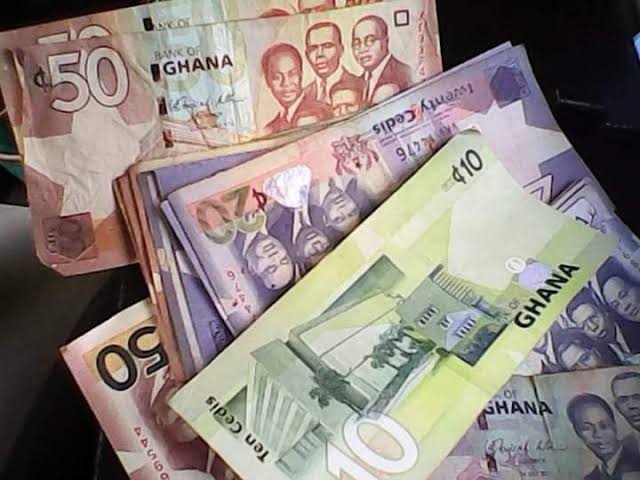
The Ghana cedi has cumulatively depreciated by 9.5% against the US dollar as of July 17, 2026. This figure was disclosed by Dr. Johnson Asiama, Governor of the Bank of Ghana (BoG), during the 131st Monetary Policy Committee (MPC) press conference in Accra on July 22, 2026. The depreciation occurred despite the cedi showing signs of recovery after experiencing significant demand pressures on the interbank market in May.
The depreciation reflects persistent foreign exchange demand within the Ghanaian economy. This demand was particularly intense in May, pushing down the cedi's value. While the cedi has since stabilized, the cumulative figure indicates ongoing challenges in maintaining currency stability, which affects businesses and consumers through higher import costs.
This currency performance fits into Ghana's broader economic narrative of managing external shocks and domestic financial conditions. The BoG has been working to stabilize the cedi amidst global economic uncertainties and local market dynamics. The depreciation impacts inflation, as imported goods become more expensive, potentially eroding purchasing power for Ghanaian households.
Dr. Asiama stated that the banking sector continued to record strong performance. This was supported by robust asset growth, improved solvency, and better asset quality. He also noted that average lending rates declined sharply to 15.6% from 27.0%, contributing to a significant increase in credit to the private sector. Private sector credit expanded by 41.2% in June 2026, compared with 8.6% during the same period in 2025. This reflects stronger demand for credit amid lower borrowing costs, which is crucial for economic expansion.
On fiscal performance, Dr. Asiama highlighted that the government’s cash-based operations during the first quarter of 2026 reflected prudent expenditure management. This was achieved despite revenue shortfalls, resulting in fiscal balances that outperformed programme targets. This fiscal discipline is vital for maintaining investor confidence and managing public debt.
The Governor also pointed to the strong performance of Ghana’s external sector during the first half of the year. This was driven by robust export earnings, which provide much-needed foreign exchange. However, he acknowledged that the country’s import bill increased significantly due to higher energy prices and related costs. These costs arose from the ongoing conflict in the Middle East, adding pressure on Ghana's trade balance. Despite these external pressures, Dr. Asiama confirmed the cedi had begun to recover after earlier heightened demand in the interbank foreign exchange market.
Looking ahead, decision-makers will closely monitor the cedi's stability and the impact of global energy prices. The BoG's monetary policy decisions will be critical in managing inflation and supporting economic growth. Businesses and investors will watch for sustained recovery in the cedi and continued fiscal prudence from the government. The interplay between global commodity prices, domestic demand, and central bank interventions will shape Ghana's economic trajectory in the coming months.