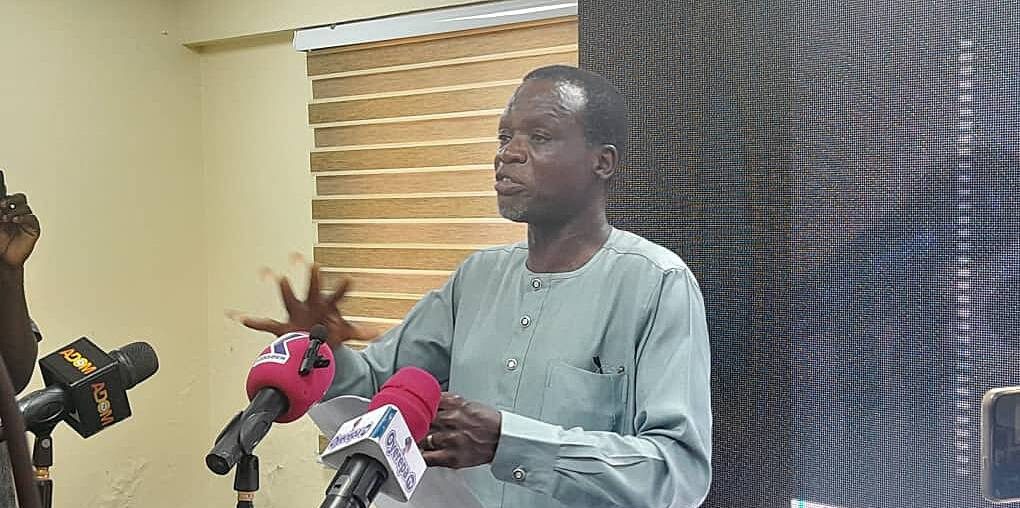
The Ghanaian cedi's recent appreciation must stem from stronger economic fundamentals, not merely central bank intervention. This is according to Dr. George Domfe, an economist and President of African Policy Lens (APL). He emphasizes that the true measure of currency strength lies in its sustainability and underlying causes.
Dr. Domfe explained that a stronger cedi can arise from two main factors. These are direct intervention by the Bank of Ghana (BoG) or genuine improvements in the nation's economic foundations. He noted that BoG interventions, such as supplying foreign currency, can temporarily strengthen the cedi. This action can also reduce the cost of imported goods, offering short-term relief to consumers and businesses.
Such interventions might lower the cost of essential imports like fuel, machinery, and raw materials. However, Dr. Domfe issued a strong warning against over-reliance on this strategy. He stated that artificial currency support, without a corresponding boost in domestic production, creates problems for local businesses. The apparent strength of the cedi would not truly represent economic improvement.
Ghana's economy has faced significant challenges, including high inflation and public debt. The nation's public debt reached GHS 674.1 billion as of February 2026, highlighting fiscal pressures. Sustained currency stability is crucial for managing this debt and attracting foreign investment. The cedi's performance directly impacts the cost of living and business operations across the country.
Dr. Domfe stressed that Ghana must focus on building a competitive, productive economy. This economy should create jobs and generate foreign exchange through robust exports. He argued that a strong cedi is beneficial, but a strong cedi resulting from a strong productive economy is far superior. This approach ensures long-term stability and growth.
The Bank of Ghana's role in managing currency stability is critical. Its interventions are often aimed at curbing inflation and stabilizing the market. However, these actions must be part of a broader strategy to enhance the economy's productive capacity. Without this, any gains in currency value could prove fleeting and unsustainable.
Policymakers and economic managers must consider the long-term implications of their strategies. They need to prioritize policies that foster domestic industries and increase export earnings. This will reduce the economy's vulnerability to external shocks and reduce reliance on imported goods. A focus on local production will also create sustainable employment opportunities for Ghanaians.
The implications for Ghana's economic future are significant. Decision-makers must ensure that currency appreciation is backed by real economic growth and productivity. Markets will closely watch for signs of genuine economic reform and increased export competitiveness. This will determine investor confidence and the cedi's long-term trajectory. A truly strong cedi will reflect a robust and diversified Ghanaian economy.