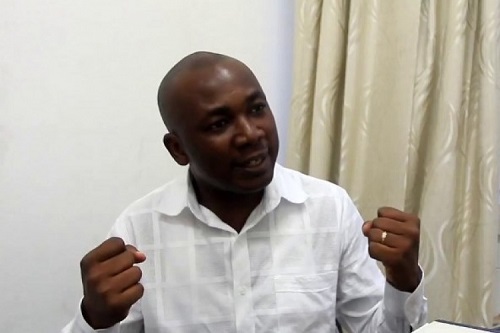
Professor Godfred Alufar Bokpin, a distinguished Economist and Professor of Finance, declared on Wednesday that Ghana's economic recovery must be judged by tangible improvements in citizens' living conditions. He stated that gains in debt sustainability and inflation alone are insufficient measures of true economic progress.
Professor Bokpin's remarks came during the Ghana National Chamber of Commerce and Industry (GNCCI) Mid-Year Budget Review Seminar in Accra. He stressed that while Ghana has made notable strides in restoring macroeconomic stability, these benefits have not yet translated into better employment opportunities, improved infrastructure, or enhanced access to basic services for many citizens. He cautioned against premature celebrations of recent economic gains.
This perspective is crucial as Ghana navigates its economic trajectory. The country has seen its inflation rate decline to 5.3 per cent in June 2026. The economy also recorded a robust growth rate of 6.4 per cent in the first quarter of 2026, following a 6 per cent expansion in 2025. Furthermore, Ghana has restored debt sustainability ahead of schedule, moving from a debt distress classification to a moderate risk category. These macroeconomic improvements are significant, but Professor Bokpin argues they are merely a means to an end.
Professor Bokpin explicitly stated, "Macroeconomic stability is a means to an end. The end is economic transformation." He highlighted that the true test of recovery lies in whether citizens can secure decent jobs, access reliable public services, and experience a better quality of life. This aligns with a broader national conversation about inclusive growth and ensuring that economic policies benefit all segments of society.
Despite the positive macroeconomic trends, labour market and welfare indicators continue to raise serious concerns. Data from the Ghana Statistical Service revealed a national unemployment rate of 13 per cent in the third quarter of 2025. Unemployment among young people aged 15 to 24 years reached an alarming 32.4 per cent, with approximately 1.34 million individuals in this age bracket not engaged in employment, education, or training. The Ghana Statistical Service also estimated food insecurity at 38.1 per cent in the third quarter of 2025, underscoring persistent household challenges.
Professor Bokpin emphasized that economic growth in recent years has not generated enough formal employment, especially for the thousands of young people entering the job market annually. He called for increased investment in critical infrastructure, noting that poor roads, traffic congestion, and inadequate public services hinder productivity and increase business costs. These issues directly impact citizens' daily lives and economic prospects.
He further advised that the fiscal space created through debt restructuring and fiscal reforms should be strategically directed. This capital should be channelled into growth-enhancing sectors such as infrastructure, education, healthcare, and productive industries. Reducing debt and inflation alone will not transform the economy if fundamental challenges affecting citizens remain unaddressed.
Professor Bokpin stressed the necessity for fiscal and monetary policies to actively support the real sector of the economy. This is where jobs, incomes, and wealth are generated, directly impacting the welfare of Ghanaians. He noted that Ghana still faces significant development and financing needs, even as it transitions from an International Monetary Fund-supported programme to a Policy Coordination Instrument. Policymakers must focus on delivering outcomes that directly improve the welfare of citizens to ensure a truly impactful economic recovery.