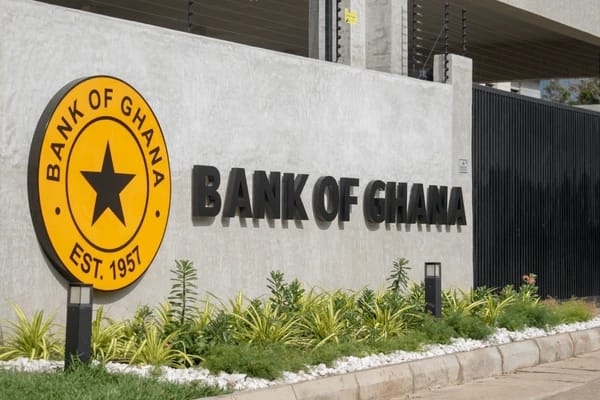
The Bank of Ghana (BoG) has issued a stern warning that rising transport and haulage costs, coupled with potential increases in transport fares and utility tariffs, could significantly intensify inflationary pressures. This comes as the central bank reviews the nation's monetary policy stance.
Dr. Johnson Asiama, Governor of the Bank of Ghana, delivered this caution at the opening of the 131st Monetary Policy Committee (MPC) meeting in Accra. He highlighted that headline inflation has already risen for three consecutive months, climbing from 3.2% in March to 5.3% in June 2026. Transport and haulage costs are largely responsible for this increase.
This inflationary trend poses a critical challenge to Ghana's economic stability. Persistent inflation erodes purchasing power, making goods and services more expensive for ordinary citizens. It can also deter foreign investment and complicate the government's fiscal planning, impacting the broader economic growth trajectory.
Dr. Asiama stated that the MPC would assess whether the recent rise in inflation reflects a temporary response to external shocks or indicates a more persistent trend. A persistent trend would likely necessitate a stronger policy response from the central bank. The Committee will also examine the interaction between external commodity price pressures and domestic factors, such as potential adjustments to utility tariffs and transport fares. These factors could add a domestic impulse to what began as an external shock.
The Governor emphasized that the central bank is focused on whether these inflationary pressures are beginning to influence expectations and pricing behavior across the economy. Understanding this dynamic is crucial for effective monetary policy formulation. If businesses and consumers expect prices to continue rising, they may adjust their own prices and wage demands accordingly, creating a self-fulfilling prophecy of higher inflation.
Ghana's economy has been navigating various global and domestic challenges, including supply chain disruptions and currency fluctuations. The BoG's proactive stance aims to mitigate the impact of these pressures on the cost of living and overall economic stability. The central bank's decisions following this MPC meeting will be closely watched by markets and businesses.
The Monetary Policy Committee is expected to announce its policy decision later this week. This decision will follow a thorough assessment of domestic economic conditions, inflation risks, and developments in the global economy. Any adjustments to the policy rate, which influences borrowing costs, could have significant implications for businesses and consumers across Ghana.
The central bank's vigilance underscores the importance of managing inflation expectations. Unchecked inflation can lead to economic uncertainty and reduce confidence in the national currency. Therefore, the BoG's efforts to understand and address these rising costs are vital for maintaining economic stability and fostering sustainable growth in Ghana.