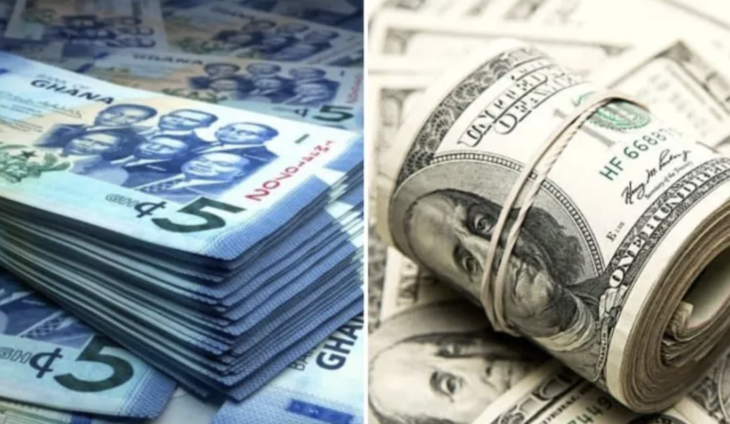
The Bank of Ghana (BoG) projects the Ghana cedi will maintain relative stability for the remainder of 2026. This forecast comes despite an anticipated rise in foreign exchange demand for Christmas season imports. The central bank outlined its expectations in its latest Monetary Report, also predicting medium-term stability for the local currency.
This stability hinges on planned foreign exchange interventions and consistent remittance inflows. Businesses are currently increasing their demand for US dollars to finance goods ahead of the December festivities. The BoG aims to counteract this pressure through strategic market operations.
This development fits into Ghana's broader economic narrative of managing currency volatility and building external resilience. The cedi depreciated by 7.9% against the US dollar in the first half of 2026. This contrasts sharply with a 42.6% appreciation in the same period of 2025. The central bank attributed earlier pressures partly to higher energy-related import costs. Ghana's economy relies heavily on imports, making cedi stability crucial for price control and business planning.
The Bank of Ghana stated, “Over the medium term, the Ghana cedi is expected to remain relatively stable.” It further noted, “FX intermediation is expected to moderate the pressures on the cedi, along with remittance flows.” These statements underscore the central bank's commitment to active currency management. The BoG also confirmed its readiness to intervene when necessary to ensure orderly market conditions.
Looking ahead, the BoG plans to supply approximately US$500 million to the market in September through its foreign exchange intermediation programme. Additional support will come from the Ghana Gold Board. The Gold Board targets US$1.4 billion in foreign exchange receipts in September. This initiative aims to bolster market stability and accumulate national reserves. Of this, US$700 million will go to commercial banks via spot sales and funded forward arrangements. The remaining US$700 million will be for the Bank of Ghana's reserve accumulation under the Ghana Accelerated National Reserve Accumulation Policy (GANRAP). These measures are critical for maintaining confidence in the cedi and supporting Ghana's economic outlook.
The cedi recorded a cumulative depreciation of 7.11% by the end of August 2026. This figure reflects the challenges faced earlier in the year. However, the central bank highlighted that the cedi was less volatile during the first 140 trading days of 2026. This indicates improved stability compared to corresponding periods over the past four years. The BoG's proactive measures are designed to prevent significant currency shocks. Increased foreign exchange supply and remittance flows are expected to moderate future pressure. This strategic approach is vital for businesses and consumers alike, ensuring predictable import costs and stable prices.
The central bank's commitment to stability is a key factor for investors and businesses operating in Ghana. A stable cedi reduces import costs and provides certainty for financial planning. The planned interventions, particularly the gold-backed foreign exchange, demonstrate a robust strategy. This strategy aims to safeguard the currency against seasonal demand spikes and external economic pressures. The BoG's actions will be closely watched by financial markets and international observers. Their effectiveness will determine the cedi's trajectory into the new year.