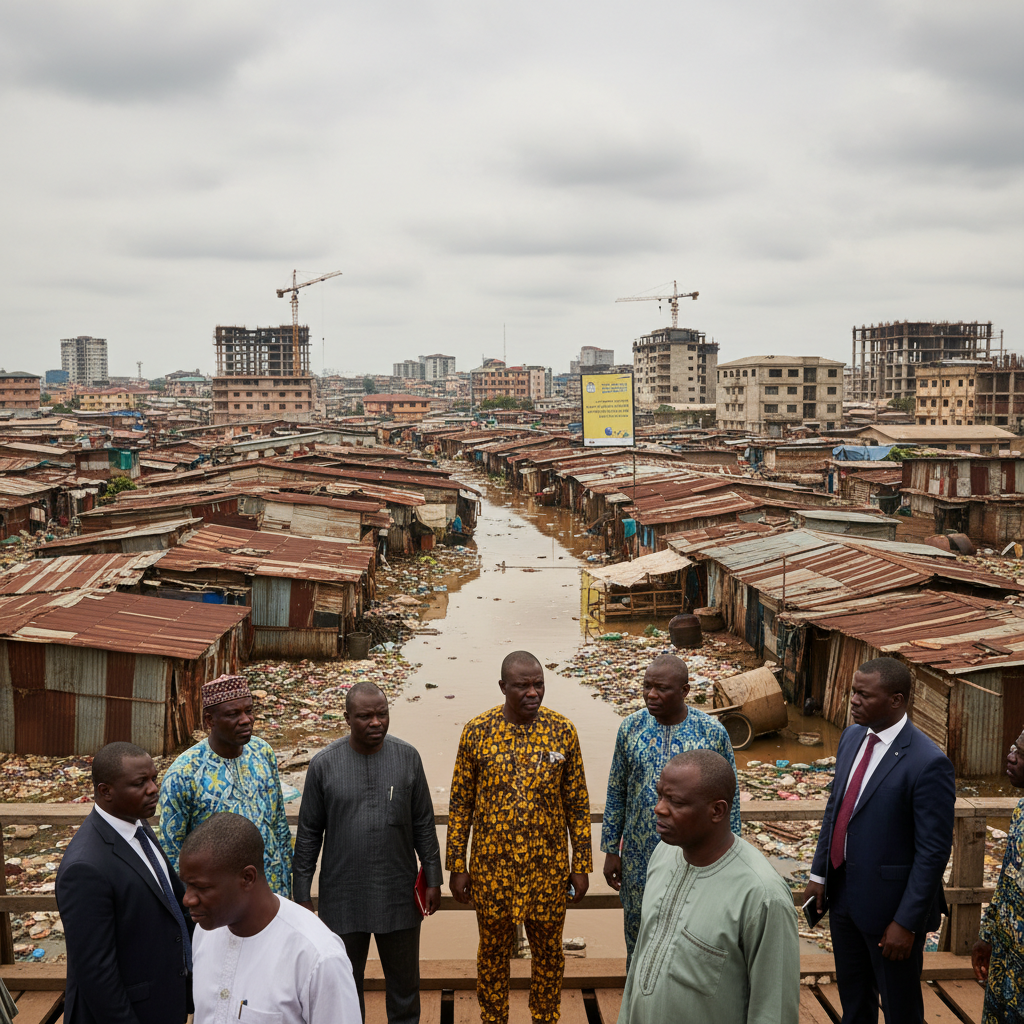
Dr. Nii Moi Thompson, Chairman of the National Development Planning Commission (NDPC), has declared that the high concentration of economic activity and population in Greater Accra escalates flood risks and other urban issues. Greater Accra accounts for 38% of the country's Gross Domestic Product (GDP) and receives 86% of Ghana's foreign direct investment (FDI).
This significant economic and demographic imbalance occurs despite Greater Accra covering only 1.4% of Ghana's total land area. This situation creates immense pressure on infrastructure and local environments, leading to frequent flooding and building collapses witnessed in recent times. The region's population density now stands at about 1,680 people per square kilometre.
This overconcentration is a critical element in Ghana's broader economic narrative, highlighting uneven development across its regions. While Accra drives much of the nation's economic growth, it also shoulders a disproportionate share of its urban challenges. This trend deviates from balanced regional development goals, potentially increasing development costs and social disparities in the long term. The recurring floods, particularly in Accra and its suburbs, disrupt daily life and damage businesses, underscoring the urgent need for a more equitable distribution of investment.
Dr. Thompson termed this situation a “perfect storm” during his appearance before the Parliamentary Committee on Economy and Development on June 9, 2026. He stated, “You cannot put the bulk of your population in the smallest land area.” He further explained that Greater Accra is now the most populous region among Ghana's 16 regions. This population density is significantly higher than the Ashanti Region's approximate 300 people per square kilometre.
The implications of this economic imbalance are severe, as evident from recent events. The country has experienced renewed flooding, damaging homes and businesses, and displacing residents. Multiple building collapses, including incidents in Adenta New Site and Avenor, have also occurred, resulting in fatalities. Decision-makers must now consider strategies to decentralize economic activities and investments. This approach would relieve pressure on Accra and foster growth in other regions.
Addressing issues like poor drainage, clogged gutters, unregulated construction in waterways, and weak enforcement of urban planning regulations is crucial. These factors contribute significantly to Ghana’s recurring flood disasters. Market responses may include shifts in real estate investment patterns away from saturated urban areas toward regions with emerging infrastructure. Investors and policymakers will closely monitor efforts to diversify economic hubs. This includes promoting development incentives in other parts of the country. This strategic shift could lead to more sustainable and resilient national development.
The NDPC's warning signals a critical juncture for urban planning and economic policy in Ghana. Failure to address this spatial concentration could exacerbate environmental degradation and infrastructure strain. A more balanced development approach is essential for Ghana's long-term economic stability and urban resilience. This issue remains a major concern for both the government and its citizens.