The World Bank has called for Ghana to use research, data, and implementation evidence to improve learning outcomes. This approach aims to equip Ghanaian children with relevant skills for the future job market. The Bank emphasized that access to education alone is not enough to ensure children master essential foundational skills.
Ghana has made significant strides in expanding access to education, with gross enrolment at kindergarten and primary levels increasing from about 60% in 2000 to over 100% in 2026. However, this progress in enrolment has not led to comparable improvements in learning outcomes. Many children complete early grades without mastering age-appropriate skills, creating a critical gap.
This situation fits into Ghana's broader economic challenge of preparing its workforce for a competitive global economy. Data shows only 49% of candidates passed the West African Senior School Certificate Examination (WASSCE) in Mathematics in 2025. An International Finance Corporation (IFC) study from 2019 revealed that only 22% of adolescent boys and 8% of adolescent girls possessed relevant information and communications technology (ICT) skills. This is despite more than 60% of jobs requiring at least basic digital fluency, highlighting a significant skills mismatch.
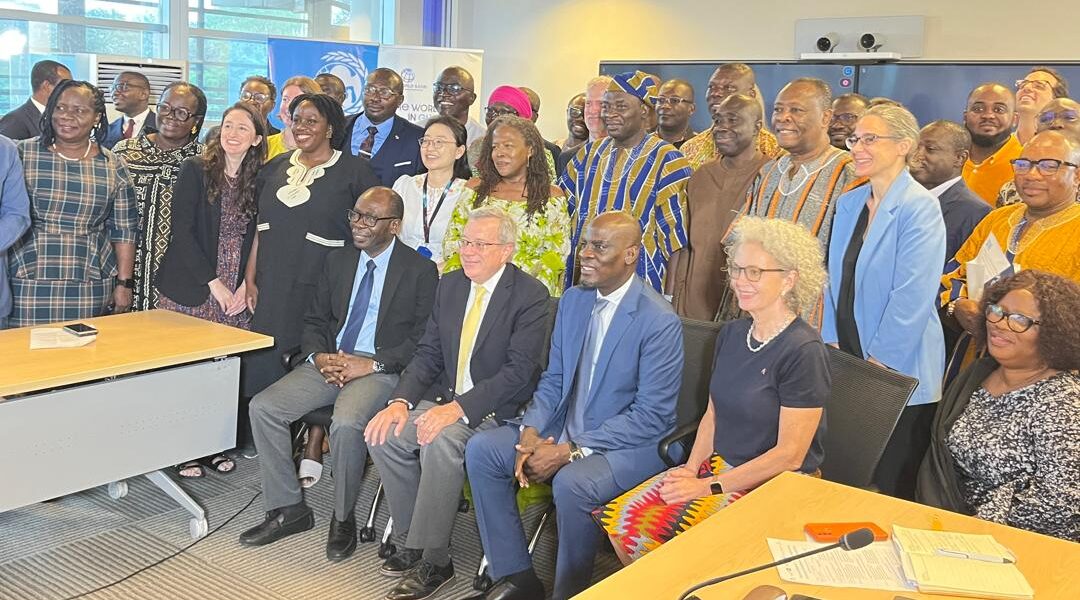
Mr. Robert Taliercio, World Bank Country Director for Ghana, Liberia, and Sierra Leone, made this call at the Ghana and Regional Foundation Learning Evidence and Implementation Support Day in Accra. He stressed the World Bank's commitment to supporting Ghana's efforts to create "more and better jobs." Mr. Taliercio noted that this goal requires equipping children with strong foundational skills in reading, mathematics, and digital literacy. He stated, "Access alone is not enough," underscoring the need for quality alongside quantity in education.
The mismatch between skills produced by the education system and private sector requirements contributes to high youth unemployment. Ghana is scaling up comprehensive interventions, supported by the Ghana Accountability for Learning Outcomes Project (GALOP), to address foundational learning challenges. The success of these reforms will depend on sound program design, effective implementation, and the systematic use of evidence. Stakeholders must focus on what evidence shows, what is learned from implementation, and what priorities lie ahead to ensure meaningful progress for children.