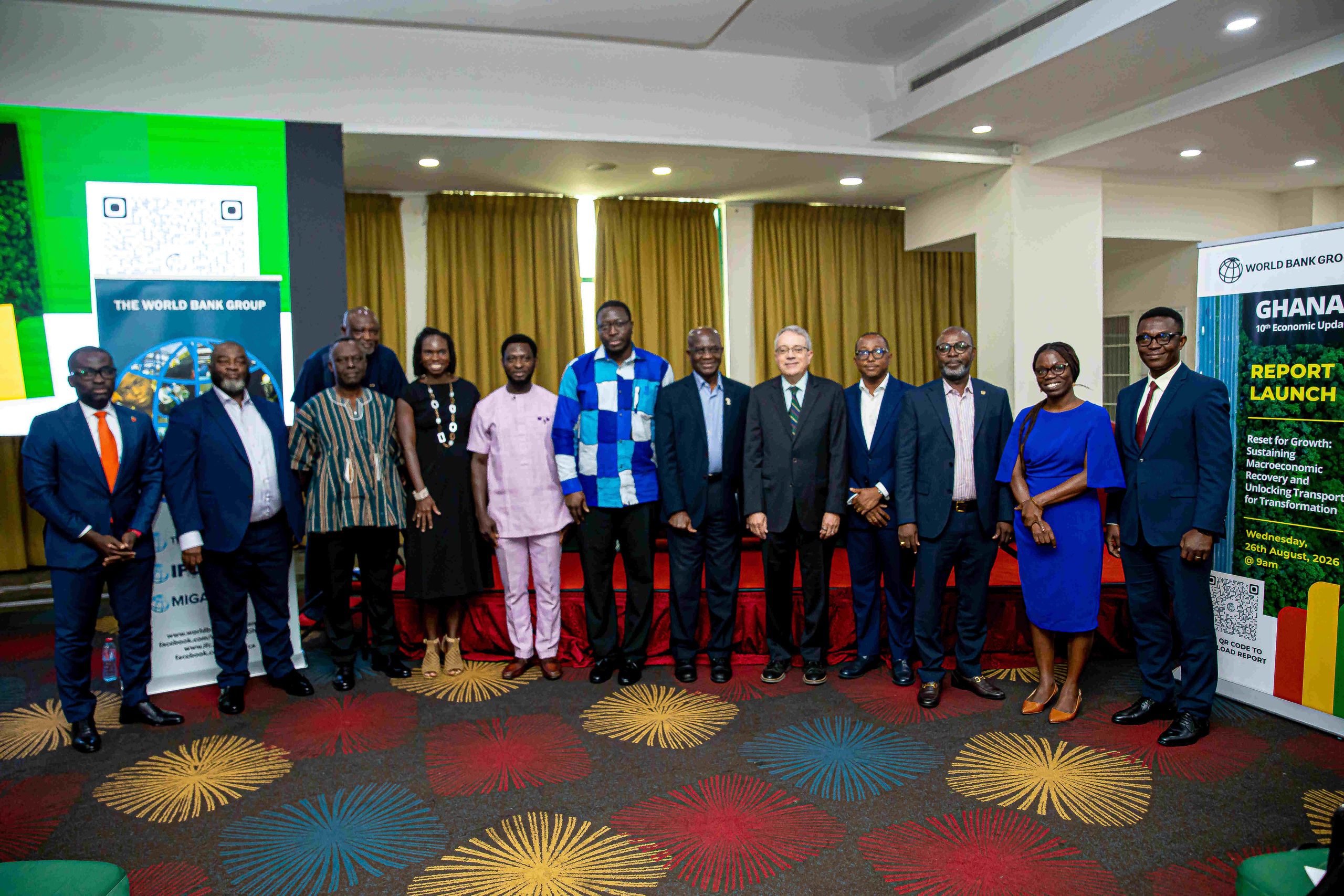
Ghana has made significant progress in restoring macroeconomic stability, but this recovery risks losing public meaning unless stronger growth translates into quality employment. The World Bank issued this warning, emphasizing the need for improved household incomes and wider living standard improvements. The country has decisively moved away from severe macroeconomic instability, achieving 6.00% real gross domestic product (GDP) expansion in 2025.
This economic growth was primarily supported by the services and agriculture sectors. Ghana's fiscal position also strengthened, with the primary surplus exceeding programme targets. Public debt declined substantially following comprehensive debt restructuring efforts. However, the World Bank highlights that stability alone does not guarantee jobs for Ghana's expanding working-age population.
This situation presents a central accountability test for the government. Policymakers must convert improving macroeconomic indicators into tangible improvements in household economic circumstances. The World Bank's tenth Ghana Economic Update, titled "Reset for Growth: Sustaining Macroeconomic Recovery and Unlocking Transport for Transformation," details these challenges. It notes that poverty remains elevated in parts of the country despite overall economic gains.
Robert Taliercio, World Bank Division Director for Ghana, Liberia, and Sierra Leone, stated, "Ghana has made important progress in restoring stability after a difficult period, but the next phase must be about making the recovery durable and more inclusive." The Bank argues that continued fiscal and monetary discipline is critical. Stronger domestic revenue mobilization and protection of priority social and infrastructure expenditure are also essential for sustained progress.
Growth is projected to moderate to 4.80% in 2026 as immediate post-crisis recovery effects fade and external pressures persist. Inflation is expected to remain within the Bank of Ghana’s target band, assuming data-dependent monetary easing and careful management of external price shocks. Policymakers must use this period of relative stability to address structural constraints before the next external shock arrives. The World Bank identifies transport infrastructure as a crucial constraint, with roads carrying over 95.00% of Ghana’s passenger and freight traffic. Better-maintained roads, improved rail, and port connections can reduce business costs and widen access to employment opportunities. Akua Pokuaa Timpabi, World Bank Transport Specialist, stressed that transport is integral to Ghana's growth, employment, and inclusion agenda. The government's Big Push Infrastructure Programme could generate construction jobs, but its long-term impact depends on lowering business costs and unlocking private investment. Sustainable financing for road maintenance, stronger coordination among transport institutions, and integrating climate resilience into infrastructure planning are priority reforms. These measures are vital for ensuring Ghana's economic recovery benefits all citizens and creates lasting prosperity.