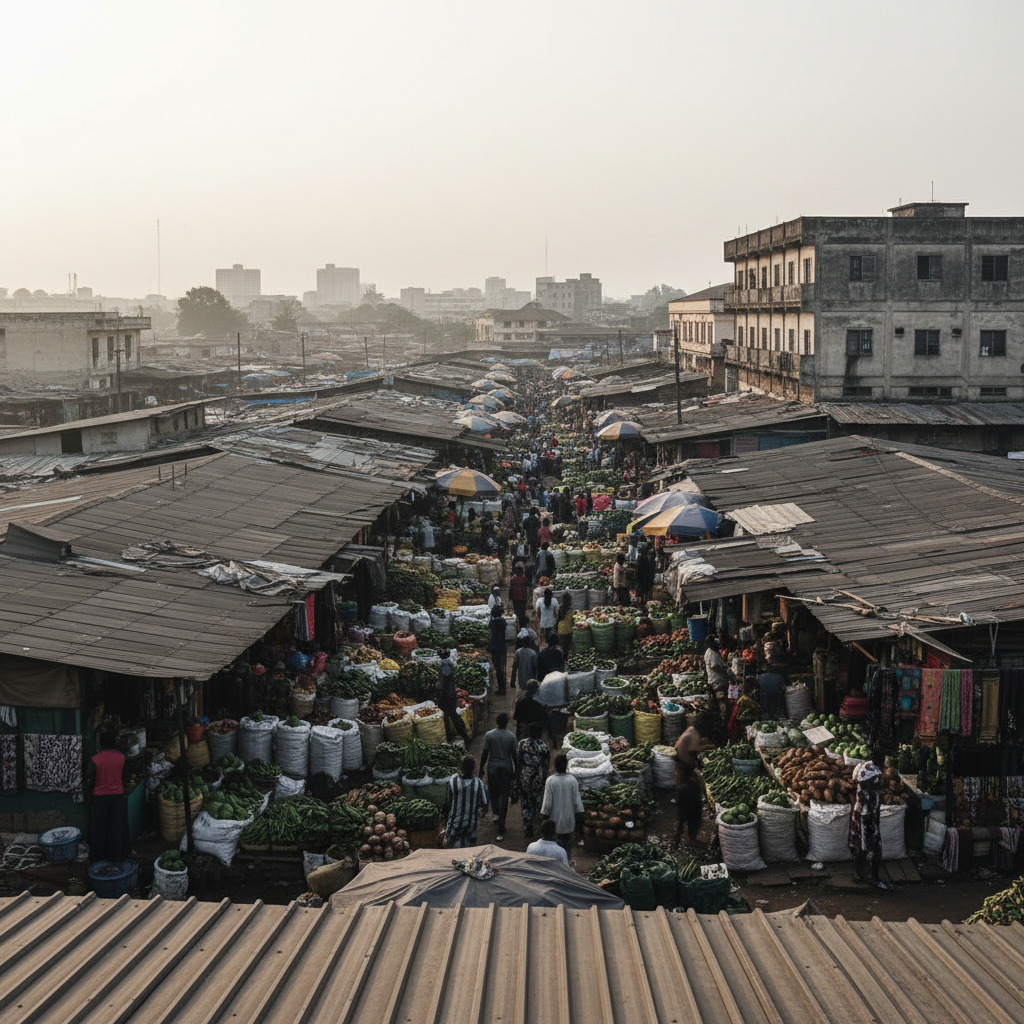
Ghana's Vice President, Prof. Jane Naana Opoku-Agyemang, has called for increased protection for informal sector workers. These workers make up about 78% of Ghana’s workforce.
Many informal sector workers, especially women and the urban poor, lack adequate coverage by existing labour laws. Prof. Opoku-Agyemang urged for their concerns to be included in national labour policies, planning, and social discussions. This integration aims to create a new social contract for Ghana’s sustained economic recovery.
This initiative fits into Ghana's broader efforts to modernise its labour administration. The government seeks to strengthen industrial relations and promote economic growth. Recent policy measures have helped stabilise the economy, but continued prudent fiscal management is crucial. The proposed Independent Emoluments Commission and the Labour Bill, 2026, aim to support these goals.
Addressing the 2026 National Labour Conference in Ho, Prof. Opoku-Agyemang stated the importance of industrial harmony. She said effective dispute resolution mechanisms are vital for this harmony. The Vice President urged organised labour to boost productivity, innovation, and ethical workplace practices. She also called for addressing inefficiency and corruption.
Dr. Abdul-Rashid Pelpuo, the Minister for Labour, Jobs and Employment, noted the conference deepens social dialogue. It also promotes industrial peace and builds consensus on labour and economic issues. He confirmed Ghana’s economic transformation needs strong collaboration among government, employers, and organised labour. He also mentioned the Ghana Decent Work Country Programme (2026–2030), developed with the International Labour Organization (ILO), aims to expand employment and strengthen social protection for informal workers.
Nana Dr. Emmanuel Adu-Sarkodee Afriyie, President of the Ghana Employers’ Association (GEA), highlighted the importance of strong industrial relations. He said these are critical for investment, productivity, and inclusive growth. He also proposed a National Homeownership Programme under the 24-hour economy initiative. This program could address Ghana’s 1.8 million housing deficit. He estimated it could generate about GHS 450 billion in investment and create up to 800,000 jobs annually.
Dr. Vanessa Lerato Phala, Director of the ILO Office for Anglophone West Africa, noted the timeliness of the conference. She also expressed concern about youth unemployment. Nearly one in four young people are not in employment, education, or training. She stressed job creation initiatives must include young people, women, and the informal sector. These efforts are crucial to addressing Ghana's evolving labour market challenges.
The push for stronger protection and inclusion of informal workers could have significant economic implications. Better social protection and fair compensation for a large segment of the workforce could boost consumer spending. It could also contribute to greater economic stability and reduced income inequality. Policymakers will likely focus on finalising the Labour Bill, 2026. They will also consider the implementation of the Ghana Decent Work Country Programme. These actions will shape the future of labour relations and economic development in Ghana.