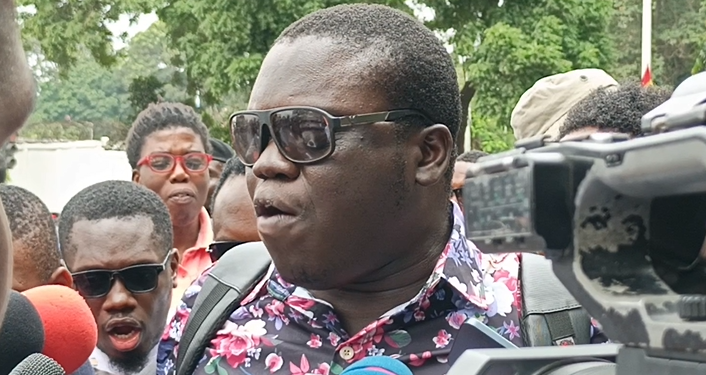
A coalition of unemployed graduates with disabilities has threatened to resume picketing after September 15. This action will occur if the government fails to present a concrete plan to address their employment challenges. The Coalition of Unemployed Graduates with Disabilities stated its previous ultimatum expired without a satisfactory roadmap.
The coalition demands the immediate recruitment of about 400 unemployed tertiary-educated persons with disabilities into the public sector. They also call for the enforcement of employment quotas. Furthermore, the group seeks incentives for private employers who hire persons with disabilities. These measures aim to ensure fair access to job opportunities for qualified individuals.
This renewed threat of protest highlights persistent challenges within Ghana's labour market regarding inclusivity. Despite the Persons with Disability Act, 2006 (Act 715), many qualified individuals with disabilities struggle to find work. The unemployment rate among persons with disabilities remains a significant concern, reflecting broader issues of economic inclusion and social equity. Previous government initiatives have not fully addressed these systemic barriers, leading to continued frustration among affected groups.
In a petition to Parliament’s Minority Leader, Alexander Afenyo-Markin, the group stressed their position. They stated, “We are not asking for charity, we are demanding our fundamental right to work.” This statement underscores their belief that employment is a constitutional right, not a favour. The coalition also pointed to a recent Ghana Education Service recruitment exercise. They claimed none of the 200 qualified potential teachers they submitted were selected from the 7,000 teachers hired.
The coalition's demands include a policy requiring Metropolitan, Municipal and District Assemblies and state-owned enterprises to reserve a specific percentage of recruitment opportunities. This policy would ensure dedicated slots for qualified persons with disabilities. Such a move would create more structured pathways to employment. Decision-makers will closely watch the government's response to these demands. Failure to act could lead to prolonged public demonstrations and increased pressure on the Ministry of Employment and Labour Relations. The situation also tests the government's commitment to inclusive development and the rights of all citizens.
Previous engagements with the Ministers for Gender, Children and Social Protection and Employment and Labour Relations failed to produce a meaningful solution. After earlier demonstrations, including picketing at Jubilee House, protesters temporarily suspended their action. This suspension followed assurances that their leaders would meet President John Dramani Mahama. However, the coalition reported that attempts to follow up with the presidential staffer who received its petition received no response.
The group warned of severe consequences if their demands are not met. They stated, “If this approach does not yield any positive result, there will be another crazy picketing after the 15th of this month which will never be suspended until our demands are met.” This firm stance indicates a potential for sustained industrial action. Such actions could disrupt public services and draw significant media attention. The government faces pressure to formulate a clear, actionable strategy before the September 15 deadline.
The coalition bases its demands on Article 29 of the 1992 Constitution, the Persons with Disability Act, 2006 (Act 715), and the UN Convention on the Rights of Persons with Disabilities. These legal frameworks provide a strong basis for their advocacy. The group concluded its statement by asserting, “Our disability is not an inability; it is a unique perspective that can enrich our national workforce.” This emphasizes their belief in the valuable contributions persons with disabilities can make to Ghana's economy and society.