Organised labour in Ghana has officially supported the proposed Independent Public Emoluments Commission (IPEC). This endorsement comes with a strong warning that reforms will fail without full worker involvement in designing a broader compensation system. The Trades Union Congress (TUC) insists on a holistic approach to address existing distortions in public sector pay.
This backing provides the government with crucial labour support for its plan to replace the Fair Wages and Salaries Commission (FWSC). The new IPEC will manage public sector emoluments. The initiative highlights the complex financial and political challenges of reforming a compensation system. This system impacts worker expectations, government finances, and Ghana's broader push for fiscal discipline.
The proposed IPEC fits into Ghana's ongoing efforts to manage its public finances more effectively. The government has consistently faced pressure to control its wage bill, which represents a significant portion of recurrent expenditure. Previous attempts at reform have often struggled to balance the need for fiscal prudence with demands for fair and competitive remuneration. This new commission aims to bring greater independence and consistency to salary determinations, potentially reducing political interference and improving budget predictability.
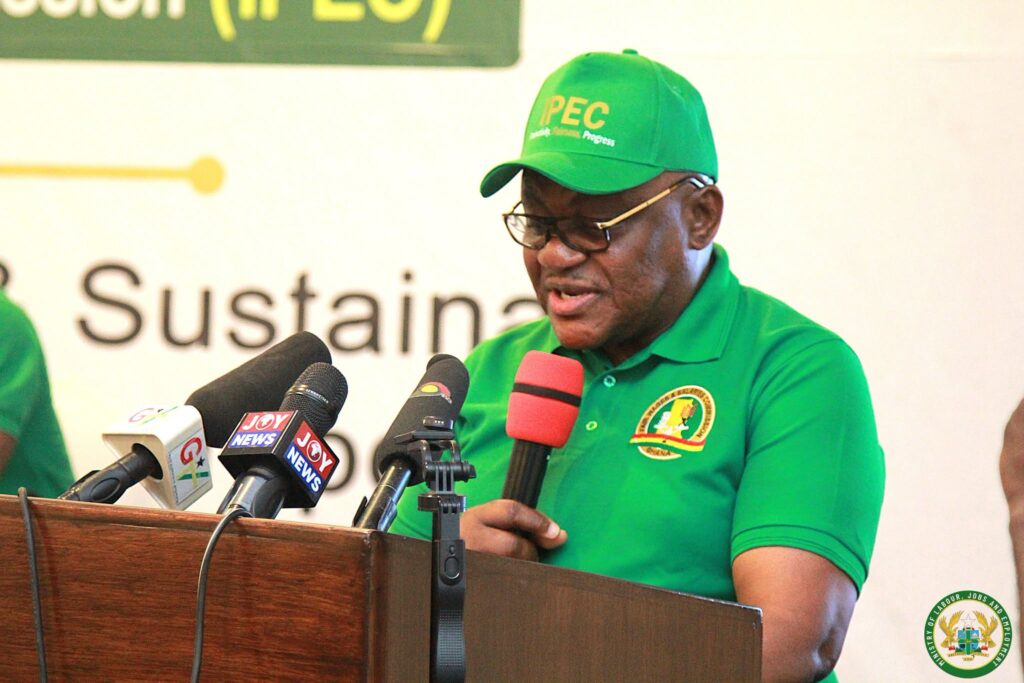
Joshua Ansah, Secretary-General of the Trades Union Congress, confirmed organised labour's readiness to participate actively. He stated that the TUC would monitor the process and provide critical input into the proposed framework. Mr. Ansah's comments were made during a two-day stakeholder engagement in Accra. The FWSC, in collaboration with the Ministry of Labour, Jobs and Employment, organised this meeting. The discussions aimed to brief labour organisations and gather their views on the draft IPEC Bill.
However, Mr. Ansah stressed that worker participation must extend beyond mere consultation at specific stages. He insisted that workers and their representatives must be involved from the very beginning until the new framework is complete. He stated, "We must have people who start the process from the beginning and end it properly—not start halfway through only to tell a different story." This highlights the TUC's concern about superficial engagement.
The TUC's call for a "holistic approach" is central to its position. Mr. Ansah emphasised, "We don’t want a piecemeal approach. It should be holistic so that what is good for the goose is also good for the gander." This statement underscores the desire for a comprehensive reform that addresses all aspects of public sector compensation, ensuring fairness across different worker groups. A fragmented approach could lead to new disparities and dissatisfaction.
This intervention reveals a core challenge for Ghana's public sector compensation reform. The government seeks to control the wage bill without appearing to burden workers disproportionately. Successive administrations have struggled to reconcile demands for competitive pay with the need to contain recurrent expenditure. This expenditure impacts fiscal space needed for infrastructure, social programmes, and other development priorities. The wage bill remains a critical component of government spending.
Beyond controlling the wage bill, the reform also addresses persistent concerns over pay disparities. Differences in salaries, allowances, benefits, and conditions of service across public institutions have created pressure for a more equitable and transparent system. The IPEC, therefore, represents more than just an institutional name change; its credibility will depend on its ability to fix these structural weaknesses. It must improve consistency without ignoring legitimate occupational differences.
Once enacted, the legislation establishing IPEC will repeal the Fair Wages and Salaries Commission Act, 2007 (Act 737). The new commission aims to tackle fragmentation in public sector pay, concerns about the politicisation of salary determination, and growing fiscal pressures from government compensation expenditure. The proposed framework is built on fairness, consistency, accountability, and fiscal sustainability. Reconciling these objectives will be a significant challenge for the new body.
Greater institutional independence could shield remuneration decisions from short-term political considerations. This could also improve predictability in wage negotiations and medium-term expenditure planning. For the government, this predictability is invaluable, as compensation commitments are inflexible once agreed. Better visibility over future wage obligations would improve budgeting and reduce risks from unexpected salary settlements impacting the fiscal framework.
For workers, however, independence will only matter if the new institution is perceived as genuinely balanced. Organised Labour will seek assurances that IPEC does not become a tool for imposing expenditure ceilings without meaningful negotiation. It must also address long-standing inequities within the compensation structure. Mr. Ansah's insistence on a holistic approach is therefore crucial. Equity in public sector pay will be judged not just by headline salary adjustments, but by how the new framework treats allowances and benefits.