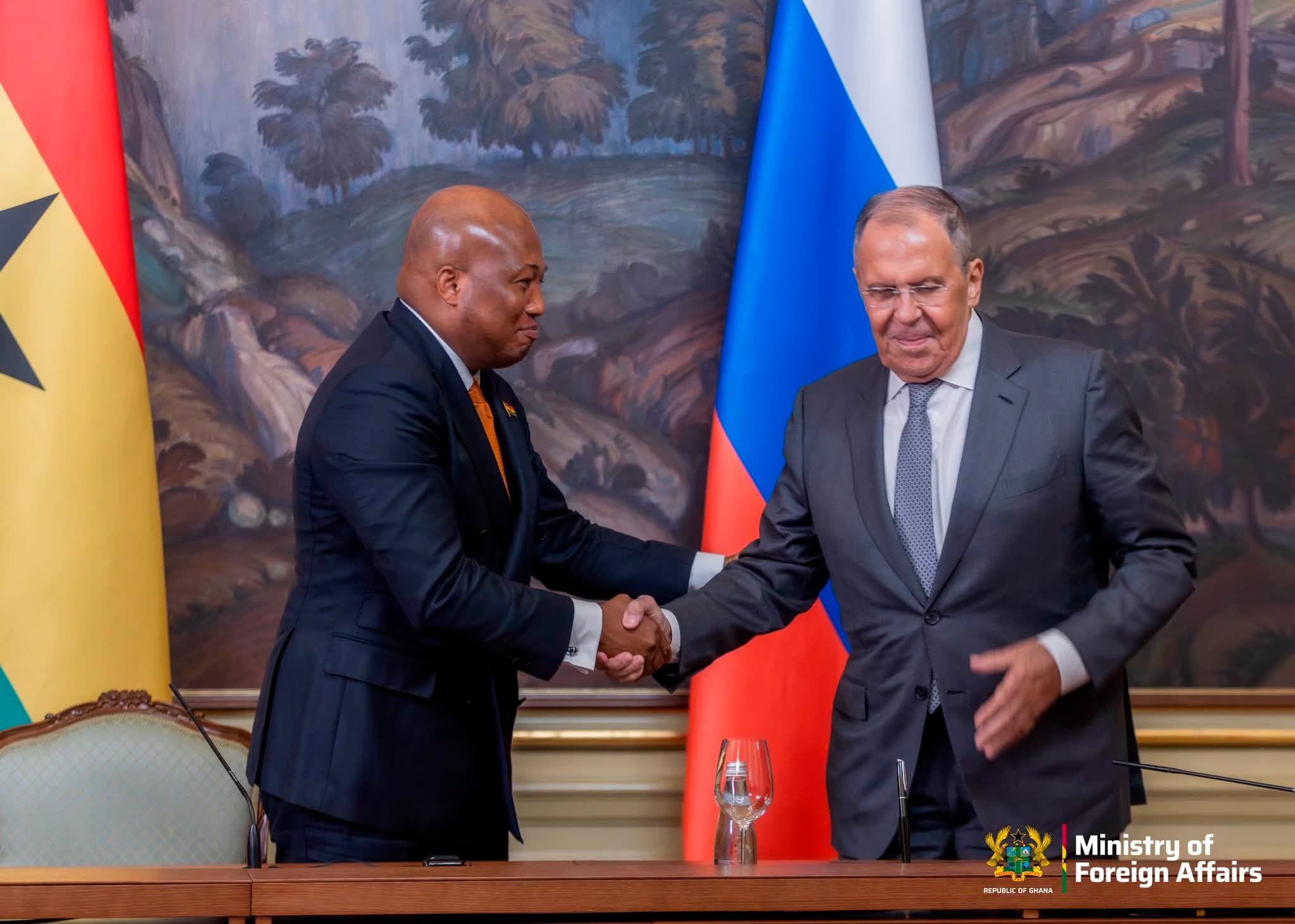
Russia has doubled its annual scholarships for Ghanaian students from 120 to 240, providing 120 additional fully funded opportunities. This significant increase offers more Ghanaian youth access to higher education in key development areas.
Ghana's Foreign Affairs Minister, Samuel Okudzeto Ablakwa, announced this development during an official visit to Russia. The scholarships will prioritize critical fields for Ghana's growth, including Artificial Intelligence (AI), Engineering, Petroleum Sciences, and Pharmaceuticals. This expansion directly addresses Ghana's need for specialized skills in its evolving economy.
This initiative forms part of a broader effort to deepen bilateral cooperation between Ghana and Russia. Ghana aims to diversify its energy sources, targeting an additional 700 megawatts of nuclear power. This collaboration aligns with Ghana's green transition agenda and its long-term energy security goals. The increased scholarships also support Ghana's human capital development strategy, ensuring a skilled workforce for future industries.
Minister Ablakwa confirmed the scholarship increase was a direct outcome of Ghana's engagements with the Russian government. He highlighted the focus on programs considered vital for Ghana's development. This strategic allocation ensures that the educational opportunities directly contribute to national economic priorities. The Minister's statement underscores the deliberate nature of this partnership.
The doubling of scholarships will enhance Ghana's human capital, particularly in science and technology sectors. This influx of trained professionals could boost innovation and productivity across various industries. Decision-makers will monitor the impact on Ghana's workforce and its ability to meet future economic demands. The long-term benefits for Ghana's economy and its global competitiveness are substantial.
The expanded educational opportunities are expected to strengthen Ghana's capacity in emerging technologies and energy sectors. Students returning with specialized knowledge will contribute to local industries and research. This directly supports Ghana's industrialization agenda and its ambition to become a knowledge-based economy. The government's focus on critical fields ensures a strategic return on investment from these scholarships.
Beyond education, Ghana and Russia also agreed to strengthen cooperation in Ghana's peaceful nuclear energy programme. Ghana seeks to add 700 megawatts of nuclear power to its energy mix, a crucial step towards energy independence and sustainability. This energy collaboration has significant economic implications, potentially reducing reliance on fossil fuels and stabilizing energy costs for businesses and consumers. The partnership extends to broader global issues, including counterterrorism, climate change, and reforms at the United Nations, indicating a comprehensive diplomatic engagement.
The increase in scholarships represents a tangible outcome for Ghanaian students seeking advanced training abroad. It provides a pathway for more young people to acquire specialized skills without the full financial burden. This investment in human resources is vital for Ghana's economic transformation and its ability to compete in a globalized world. The government's commitment to developing a skilled workforce through international partnerships remains a key policy objective.
The focus on Artificial Intelligence, Engineering, Petroleum Sciences, and Pharmaceuticals directly addresses skill gaps in Ghana's economy. These fields are essential for driving innovation, improving healthcare, and exploiting natural resources efficiently. The additional 120 slots each academic year will create a pipeline of experts crucial for Ghana's future development. This strategic educational partnership is poised to yield significant economic dividends for the nation.