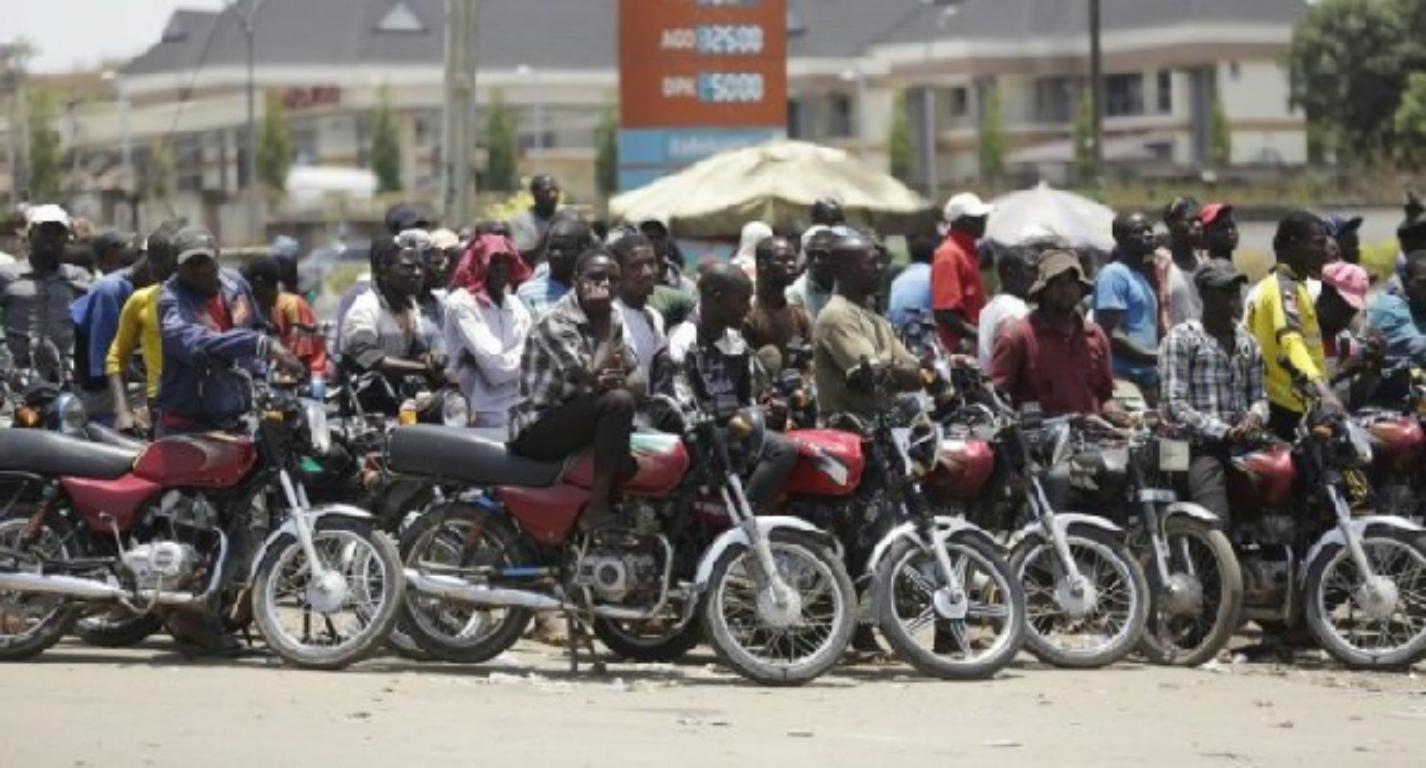
Members of the Okada Riders Association of Ghana (ORAG) and the National Union of Tricycle Operators Ghana (NUTOG) have staged a protest demanding the immediate legalization of commercial motorcycle operations. This demonstration highlights significant frustration among operators regarding the government's perceived inaction on promises made two years ago.
The riders are particularly concerned about the slow progress in establishing a clear regulatory framework for their activities. This delay affects thousands of individuals who rely on commercial motorcycle and tricycle operations for their income. The absence of formal recognition creates uncertainty and exposes operators to various enforcement challenges.
This issue fits into a broader national discussion about formalizing Ghana's large informal sector and ensuring economic stability for its participants. The National Democratic Congress (NDC) had included the legalization and regulation of 'Okada' operations in its 2024 manifesto. This commitment was a key campaign promise from then-candidate John Dramani Mahama, who pledged to implement measures for rider training, licensing support, and overall sector regulation. The manifesto also targeted informal sector workers, including commercial motorcyclists, for initiatives like special pension schemes.
The protesters emphasized that despite these assurances, concrete legislative action remains absent. They are urging the government to move beyond verbal commitments and provide a definitive timeline for the proposed legislation. Legal recognition would integrate their activities into a formal economic structure, offering greater stability and protection for operators.
The delay in legalizing 'Okada' operations could have significant economic and social implications. Without a clear regulatory framework, the sector remains vulnerable to arbitrary enforcement and lacks the benefits of formalization, such as access to financial services or social security. The government's response to these demands will be crucial in addressing the concerns of a substantial segment of the informal workforce and demonstrating its commitment to campaign promises.
The ongoing protests signal growing impatience among commercial motorcycle and tricycle operators. Decision-makers will need to address these concerns to prevent further unrest and ensure the economic well-being of these operators. The situation also underscores the challenges of implementing policy changes in a sector with widespread informal employment.