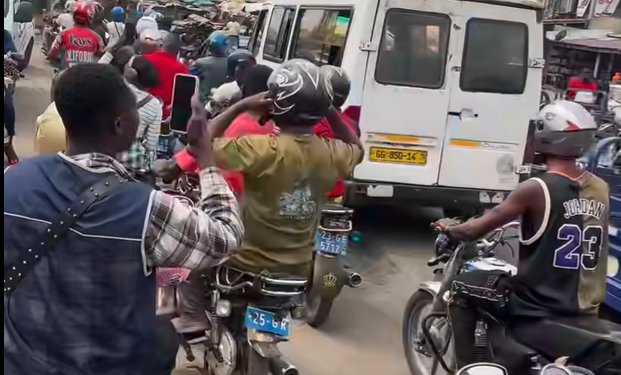
Members of the Okada Riders Association of Ghana (ORAG) and the National Union of Tricycle Operators Ghana (NUTOG) staged a demonstration in Accra on Wednesday, August 12, 2026, demanding the government legalise commercial motorcycle and tricycle operations. This protest highlights the government's unfulfilled promise to create a legal framework for the sector, a key pledge during the 2024 general elections.
The riders assert that the current administration, which they actively supported, has failed to deliver on its commitment to legalise their operations. This delay leaves thousands of operators vulnerable to police harassment and restricts their ability to work in various parts of Accra, including Kaneshie, Sukura, and Jamestown. The lack of legal status directly impacts their income and job security.
This issue fits into Ghana's broader economic narrative concerning the informal sector, which employs a significant portion of the workforce. The legalisation of 'okada' operations has been a contentious political topic for years, with proponents citing job creation and transportation solutions, while opponents raise safety and regulatory concerns. The 2024 election saw the promise of legalisation become a significant campaign point, particularly for the National Democratic Congress (NDC).
During the protest, one rider stated, "We worked hard to help the NDC because they promised that if they came into power, they would legalise okada operations for us." This sentiment underscores the political capital invested by the riders in the election outcome and their current frustration with the government's inaction. The rider further explained that members made significant sacrifices, including purchasing campaign clothing and mobilising support, based on this promise.
The continued delay in legalisation could have significant implications for the government's relationship with a large, organised voting bloc. It also raises questions about the government's commitment to formalising and regulating informal economic activities, which contribute substantially to Ghana's GDP. Decision-makers will need to address this growing discontent to avoid further protests and potential political fallout, especially as the next election cycle approaches. The economic impact on riders, who face daily challenges due to their unregulated status, remains a critical concern.
The government's response to this protest will be closely watched by various stakeholders, including other informal sector associations and political analysts. A failure to act could erode public trust and potentially affect future electoral outcomes. The situation also highlights the challenges of integrating informal sectors into the formal economy while balancing economic benefits with regulatory oversight and public safety.
The economic contribution of commercial motorcycle and tricycle operations, though largely informal, is substantial, providing livelihoods for many young Ghanaians and offering affordable transport options. Legalisation would not only protect these jobs but also allow for taxation and better regulation, potentially boosting government revenue and improving safety standards. The current impasse represents a missed opportunity for both the operators and the state.