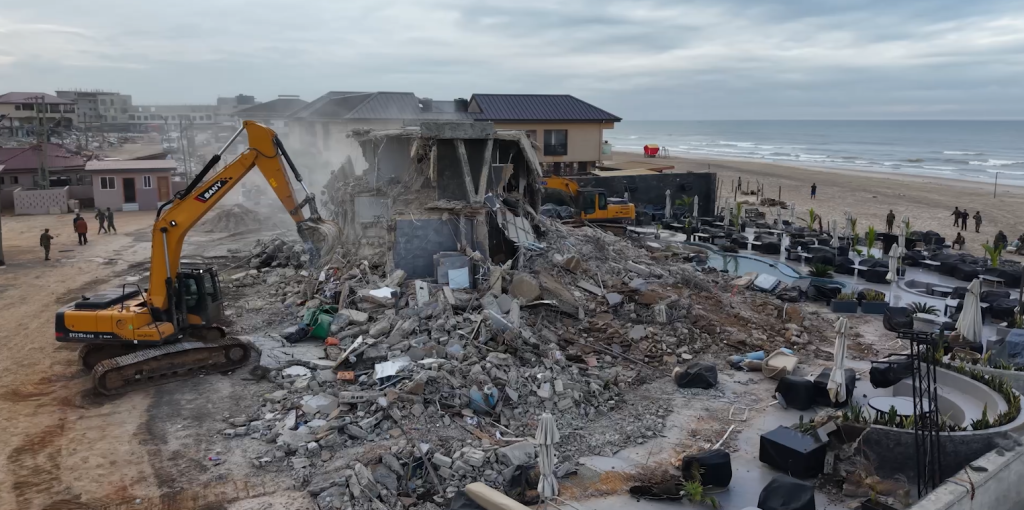
Demolitions at Laboma Beach threaten the livelihoods of more than 3,000 people. Daniel M.K. Okpoti, Board Director of Laboma Beach, confirmed this significant economic impact. The Post Flood Mitigation Taskforce carried out the demolition exercise on Sunday, September 13.
This action directly affects businesses operating in the area, which provide income for thousands of workers. These individuals now face severe uncertainty regarding their employment and financial stability. The demolition targeted structures identified as being within the protected buffer zone of the Kpeshie Lagoon, including the well-known Pink Flamingo Lounge.
This event fits into a broader national conversation about urban planning, environmental protection, and economic development. Ghana's rapid urbanization often leads to conflicts between infrastructure projects and existing commercial activities. The government's efforts to mitigate flooding, a persistent issue in Accra, frequently involve reclaiming waterways and buffer zones. However, these actions can have significant social and economic consequences, particularly for informal sector workers and small businesses. Data from the Ghana Statistical Service often highlights the importance of such enterprises to overall employment figures. Balancing environmental needs with economic realities remains a critical challenge for policymakers.
Daniel M.K. Okpoti expressed deep disappointment over the demolitions. He stated, "We have employed over 3,000 people who depend on this place for their source of income." Mr. Okpoti emphasized the human element, highlighting the job creation efforts of these businesses. He urged authorities to consider the economic impact on workers and businesses during such exercises.
The immediate implication is a potential surge in unemployment for the affected 3,000 individuals. This could strain household incomes and local economies. Decision-makers must now weigh the environmental benefits of buffer zone reclamation against the socio-economic costs. Stakeholders will watch for any government intervention or alternative solutions to mitigate job losses. The incident also underscores the need for clearer communication and potentially compensation frameworks for businesses affected by public works projects. Future policy decisions regarding urban development and environmental protection will likely face increased scrutiny over their economic ramifications. The long-term stability of these communities depends on a balanced approach that protects both the environment and livelihoods. This situation could also impact local tax revenues if businesses are forced to close permanently. The government's commitment to job creation, as outlined in various national development plans, will be tested by such events. Finding sustainable solutions that address both environmental concerns and economic stability is paramount for Ghana's continued progress. The affected workers may require social support or retraining programs to find new employment. This adds another layer of complexity for public finance managers. The incident serves as a stark reminder of the delicate balance between urban development and economic welfare in Ghana.