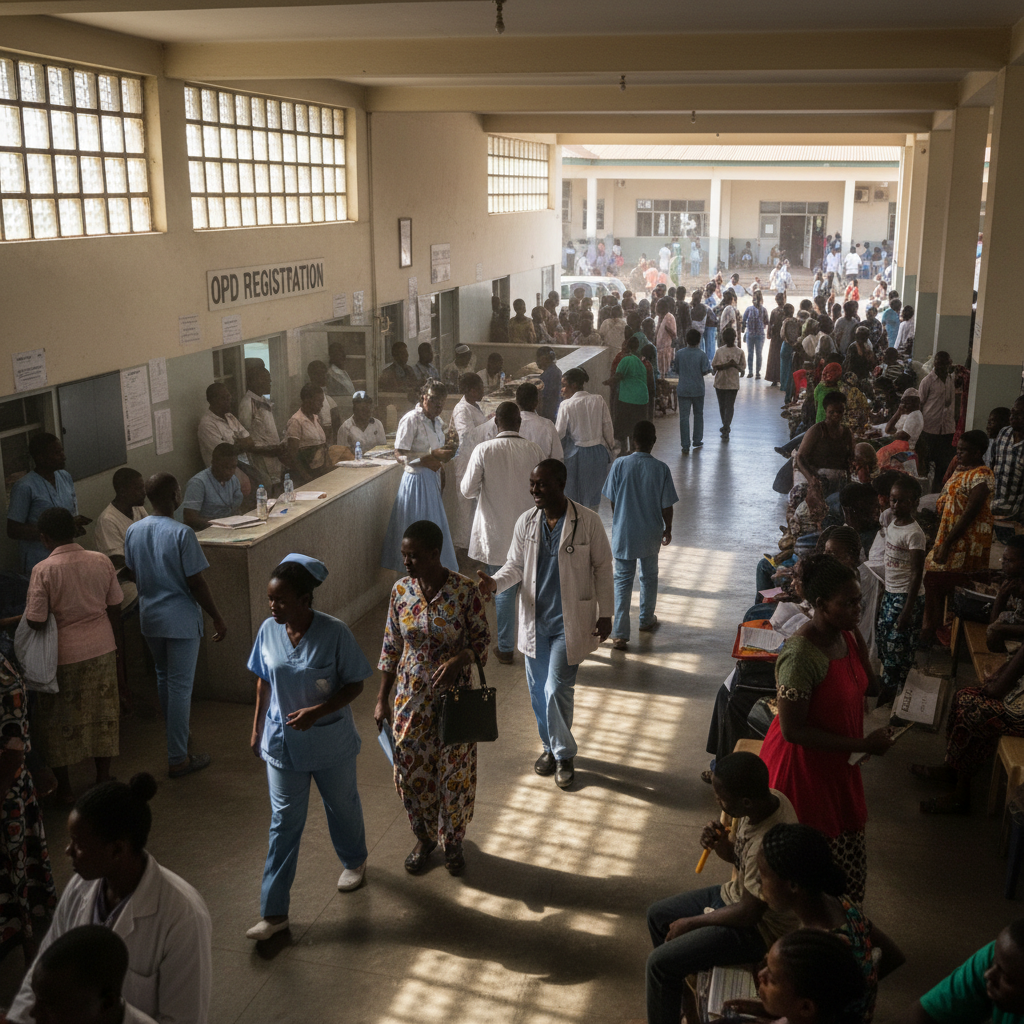
Activities at the Out-Patient Department (OPD) of the Komfo Anokye Teaching Hospital (KATH) have fully resumed. Patients are now receiving care and consultations after doctors ended a four-day strike. The industrial action had significantly impacted healthcare services at the major facility.
This return to normal operations follows the suspension of the doctors' strike. The strike began in protest of the hospital's Chief Executive Officer's (CEO) suspension. Hospital sources confirm that doctors and other health workers are back to full-time duties, leading to increased service delivery.
The brief but impactful strike at KATH highlights ongoing tensions within Ghana's healthcare sector. These disputes often involve working conditions, leadership issues, or remuneration. Such disruptions strain public health services and divert patients to smaller, peripheral health facilities, increasing congestion there. Past data shows that healthcare professional strikes can lead to significant backlogs in patient care and potential financial losses for hospitals due to reduced services.
The Asantehene, Otumfuo Osei Tutu II, intervened to suspend the strike. Doctors emphasized the government must engage stakeholders to resolve the underlying issues. This pattern of traditional leaders brokering peace in industrial disputes shows their continued influence in Ghana's socio-political landscape.
The full resumption of services means patients who had scheduled appointments are now being attended to. This offers relief to thousands who rely on KATH's specialized care. Decision-makers in the Ministry of Health and hospital management must now work to address the substantive concerns raised by the doctors. This will prevent future industrial actions and ensure consistent healthcare provision. Markets and public confidence will respond positively to stability in essential services like healthcare.
A sustained resolution of issues at KATH, and other health facilities, is crucial for Ghana's broader economic stability. Labour disputes in key sectors like health can lead to productivity losses. They can also shift trust away from public institutions. The government's actions in engaging stakeholders will be closely watched. They must aim for long-term solutions, not just temporary ceasefires. This situation echoes past warnings from bodies like UTAG, who have threatened strikes over delayed allowances, indicating a broader trend of labour unrest in public services.