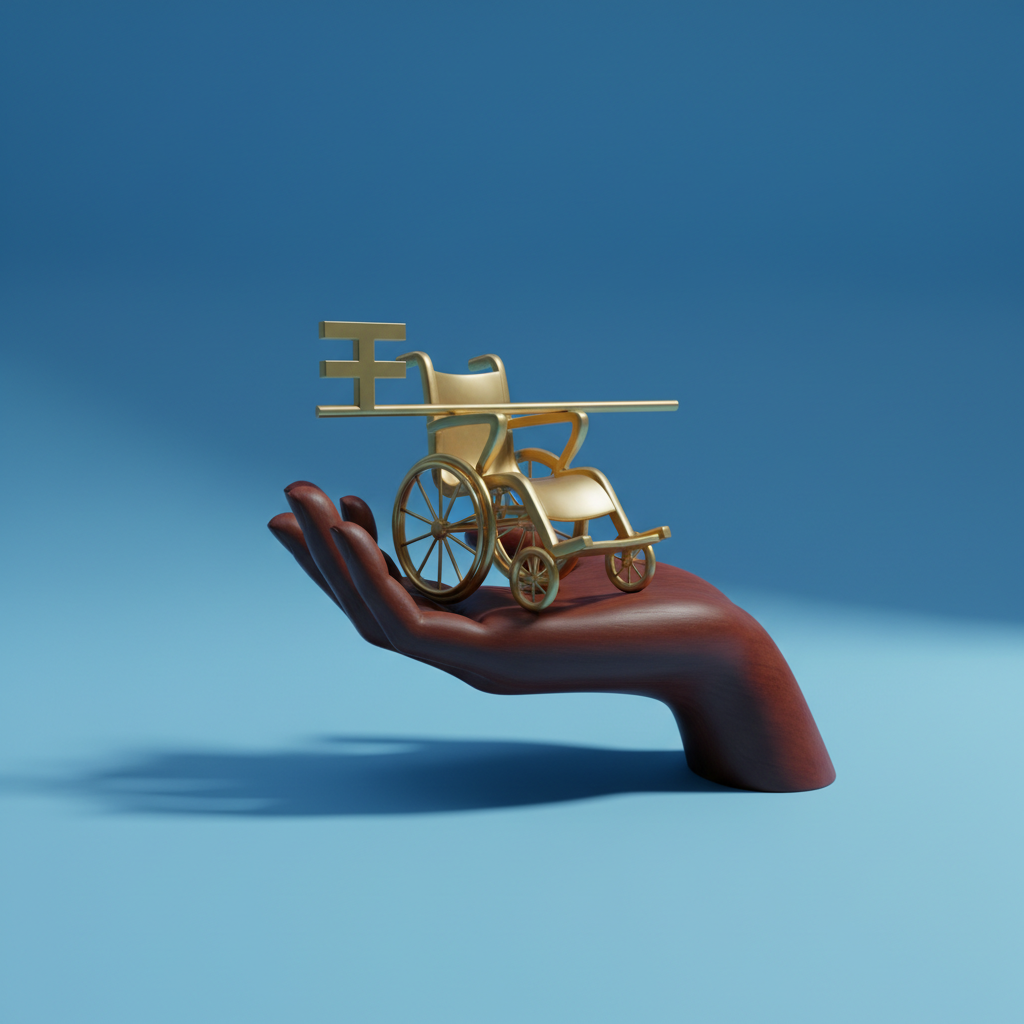
The Kwame Nkrumah University of Science and Technology (KNUST) has reaffirmed its dedication to disability inclusion and accessibility. This commitment was highlighted during a Disability Awareness Day event, organized in collaboration with Wilfrid Laurier University. The event, held on July 30, 2026, celebrated students with disabilities and aimed to foster a more inclusive campus environment.
The Disability Desk of the Directorate of Student Affairs (DoSA) and the Department of Health Promotion and Disability organized the initiative. Their goal was to raise awareness about disability inclusion and promote equal opportunities for all students at KNUST. The day included a campus-wide awareness float, engaging the university community on the importance of accessibility.
This event fits into a broader national conversation about equity and access in Ghana's educational institutions. Ensuring equal opportunities for all citizens, including those with disabilities, is crucial for economic development. Data from the Ghana Statistical Service indicates that persons with disabilities often face significant barriers to education and employment, impacting their economic participation.
Professor Samuel Amos-Abanyie, Deputy Director of the Directorate of Student Affairs, called for continuous efforts. He stressed the need to create an inclusive university environment where students with disabilities can achieve their full potential. Professor Amos-Abanyie emphasized that disability awareness must be supported by deliberate actions to remove barriers and promote equal opportunities.
Professor Mercy Badu, Head of the Gender Inclusion and Vulnerability Office, urged for the institutionalization of inclusion across all university functions. She stated that accessibility and equal opportunity must become defining values of the institution. Professor Badu argued that inclusion should be a core institutional principle for higher education institutions, not merely an additional obligation.
Professor Magnus Mfoafu McCarthy of Wilfrid Laurier University highlighted the need for greater awareness and action. He noted that disability should not be seen as a separating condition but as a reality anyone could experience. Professor McCarthy identified stigma as a major barrier for persons with disabilities in Ghana, explaining that misconceptions limit opportunities for inclusion.
The event also featured interactive simulations, such as Mobility Impairment Simulator, Blindness Types Simulator, and Deafness Simulator. These simulations provided participants with firsthand insight into the daily experiences and challenges faced by persons with disabilities. Such initiatives are vital for fostering empathy and understanding within the university community.
Moving forward, the focus will be on how KNUST and other Ghanaian universities translate these awareness efforts into concrete policy changes. Decision-makers will need to monitor the implementation of accessibility measures and support services. The market for inclusive educational technologies and infrastructure could also see growth as institutions respond to these calls for greater inclusion. This commitment signals a positive trend towards a more equitable educational landscape in Ghana.