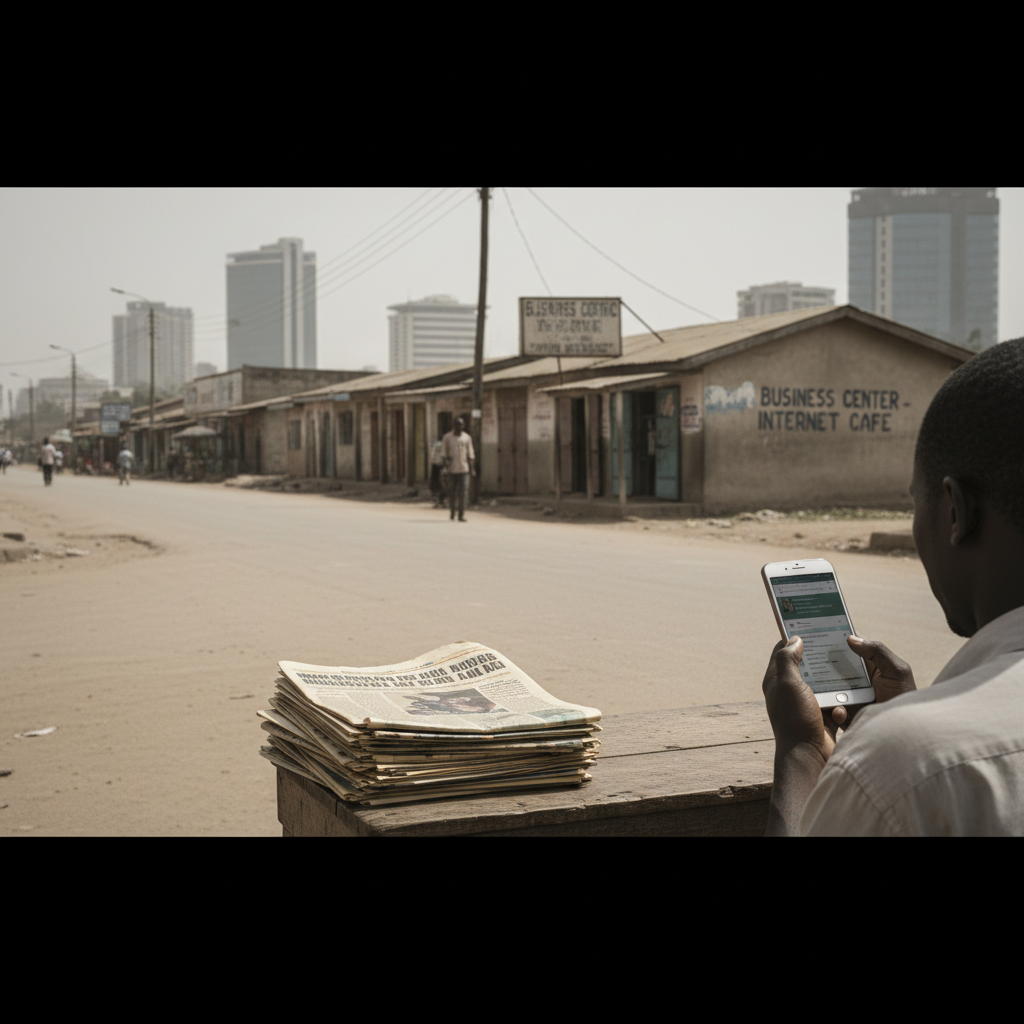
Job advertisements in Ghana’s print and online media decreased by 15.7% during the first half of 2025. This significant decline was reported by the Bank of Ghana.
The reduction in advertisements shows a contraction in hiring activities across various sectors. Fewer job postings mean fewer opportunities for job seekers in the country. This trend suggests potential challenges for Ghana’s overall employment landscape.
This data aligns with broader concerns about economic growth and business confidence in Ghana. A slowdown in hiring often reflects companies’ cautious outlook on future economic conditions. It indicates that businesses may be scaling back expansion plans or facing financial pressures. This trend could impact consumer spending and overall economic stability.
The Bank of Ghana highlighted this decrease in its recent assessment of economic conditions. The report underscored the challenges in the labor market during the period. Such data is critical for policymakers to understand economic shifts and respond appropriately.
Decision-makers will closely monitor these employment figures. A continued decline could prompt interventions aimed at stimulating job creation and economic growth. Businesses may also adjust their strategies in response to a tighter labor market. The government’s fiscal and monetary policies will be crucial in addressing these trends.
The 15.7% fall in job advertisements covers a broad spectrum of industries. This indicates a general rather than sector-specific slowdown. Such a widespread impact suggests underlying economic factors affecting many businesses. This includes potential issues like high operational costs or reduced consumer demand.
Previous reports have shown fluctuations in employment indicators. However, a double-digit percentage decrease in job advertisements is a notable concern. It could lead to increased unemployment rates if not addressed effectively. The Ghana Statistical Service will likely monitor these trends closely.
The labor market’s health is a key indicator of economic vitality. A decline in available jobs can affect household incomes and poverty levels. This necessitates careful consideration by economic planners. Measures to support private sector growth and investment might become more urgent.
Policymakers may look at various strategies to reverse this trend. These could include tax incentives for businesses or investment in job-intensive sectors. Ensuring a stable and predictable economic environment is also vital. This encourages businesses to expand and create new jobs within the economy.
The Bank of Ghana’s next inflation and monetary policy reports will shed more light on these dynamics. The central bank’s decisions often influence business confidence. This confidence directly impacts hiring decisions. All stakeholders will watch for signs of recovery or further contraction in the coming months. This trend will have significant implications for Ghana’s economic outlook.