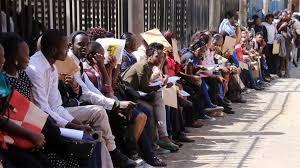
Professor Isaac Boadi, Dean of the Faculty of Accounting and Finance at the University of Professional Studies, Accra (UPSA), has called on the government to make job creation the top priority in its economic recovery efforts. He insists that improvements in macroeconomic indicators alone will not improve the lives of Ghanaians. This statement follows the 2026 Mid-Year Budget Review presented to Parliament by Finance Minister Dr. Cassiel Ato Forson.
Professor Boadi acknowledged the progress made in stabilising the economy. However, he argued that the budget failed to adequately address the country’s growing employment challenge. He noted that while key economic indicators had improved, government revenue performance remained below target. This development could affect public spending and the implementation of development projects.
This concern about job creation fits into a broader narrative in Ghana where economic growth often does not translate into widespread prosperity. Despite consistent GDP growth in recent years, youth unemployment remains a significant issue. Previous economic policies have focused heavily on fiscal consolidation and debt management, sometimes at the expense of direct job creation initiatives. The 2026 Mid-Year Budget Review, for instance, highlighted gains in inflation control and debt sustainability.
Professor Boadi stressed that while Ghana’s economic fundamentals were improving, the real test of recovery would be whether those gains translated into jobs and better livelihoods for citizens. He observed that the mid-year budget focused heavily on inflation, debt sustainability, international reserves, and Gross Domestic Product (GDP) growth. It gave little attention to employment creation. “What we are saying is that we all live in one economy; it’s our hope, and it’s our prayer that measures put in place by this administration will help,” he stated.
He further highlighted a major gap in the budget, saying: “I didn’t hear more issues on discussions on employment.” This indicates a perceived disconnect between high-level economic figures and the daily realities of ordinary Ghanaians. The lack of explicit job creation strategies in the budget could exacerbate existing social inequalities.
Professor Boadi also emphasised the need for Ghana to expand its export base to boost foreign exchange earnings and support long-term economic growth. He explained that countries with weak export performance often struggle to generate enough foreign exchange. This places pressure on their currencies. “If we have an economy that does not export, we are not getting more revenue from exports. Definitely, you have issues with your exchange rates and all that,” he added.
While welcoming improvements in inflation, debt levels, and external reserves, the UPSA dean maintained that those achievements would have little meaning if they did not create employment opportunities. He questioned the ultimate value of these macroeconomic successes without tangible benefits for the populace. “We are celebrating GDP growth. We are celebrating inflation. We are celebrating debt. We are celebrating reserve. Fine. How many jobs have all these created?” he asked, underscoring his central argument.
Moving forward, decision-makers will need to consider how to bridge the gap between macroeconomic stability and job creation. Future policy discussions and budget allocations will likely face increased scrutiny regarding their impact on employment. Markets and citizens will be watching for concrete measures that translate economic gains into tangible job opportunities and improved living standards across Ghana.