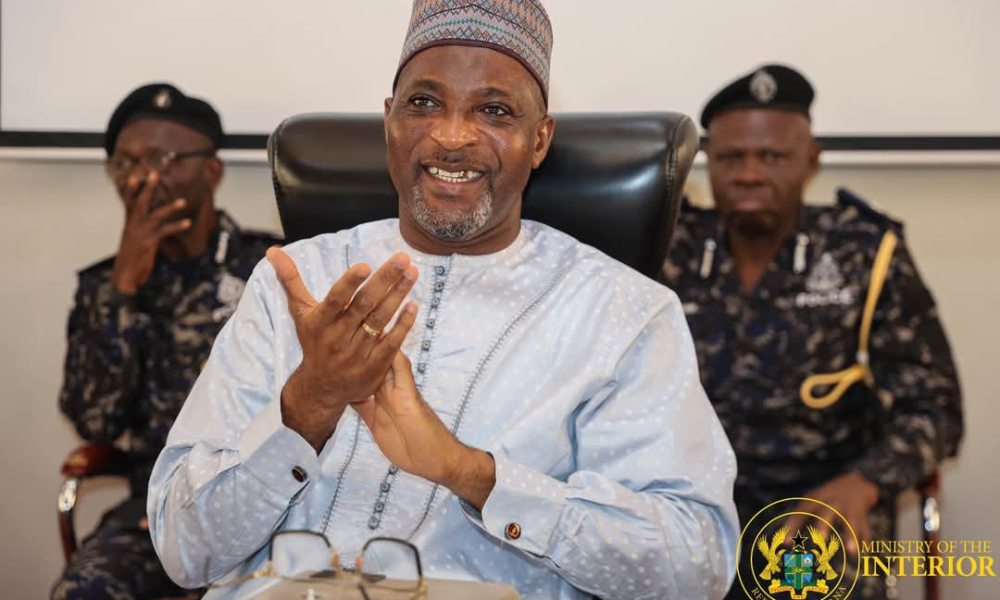
Ghana’s Interior Minister, Muntaka Mohammed-Mubarak, has called on employers nationwide to activate flexible work arrangements. This directive follows severe flooding that has significantly impacted parts of Accra.
The Minister encouraged institutions to permit staff to work remotely when possible. He also advised moving non-essential meetings online or postponing them due to difficult travel conditions. This measure aims to safeguard employees and minimize disruptions to business operations.
This appeal highlights the ongoing challenges posed by seasonal flooding in Ghana’s capital. Such events frequently disrupt economic activity and daily life. The call for flexible work aims to mitigate productivity losses and ensure worker safety during these recurring crises.
Minister Mohammed-Mubarak conveyed these recommendations during an interview on Joy FM's Super Morning Show. He stated, “Private and public meetings that are not too urgent, we can have them on Zoom.” He emphasized postponing very urgent meetings if an online option was not feasible.
The Minister also urged Accra residents to remain at home due to meteorological forecasts predicting more rainfall. He added, “Based on what the meteorological department is telling us, we expect it to be heavier if the prediction of more rains from Togo gets here.” This reinforces the need for caution and adherence to safety guidelines.
For those already at work, Minister Mohammed-Mubarak advised staying put until conditions improve. Residents yet to leave their homes should stay back and work remotely if their jobs allow. This guidance seeks to prevent individuals from being stranded or exposed to flood-related dangers.
The economic implications of widespread flooding include disruptions to supply chains and reduced workforce attendance. Flexible work arrangements can help businesses maintain some level of operation. This reduces potential financial losses from halted activities.
Previous flood events have demonstrated the significant economic cost to the Greater Accra Region. Businesses incur expenses from damage to property and lost working hours. The Minister's advice is a proactive step to lessen these negative economic impacts.
Looking ahead, businesses and employees will need to adapt their routines in response to changing weather conditions. Decision-makers will closely monitor the effectiveness of these flexible work arrangements. These efforts could inform future disaster preparedness and business continuity strategies.
The government and emergency services continue to coordinate efforts to manage the flood situation. This includes assistance from NADMO, the Ghana Armed Forces, and the Ghana Police Service. Their joint actions are critical for public safety and recovery.